


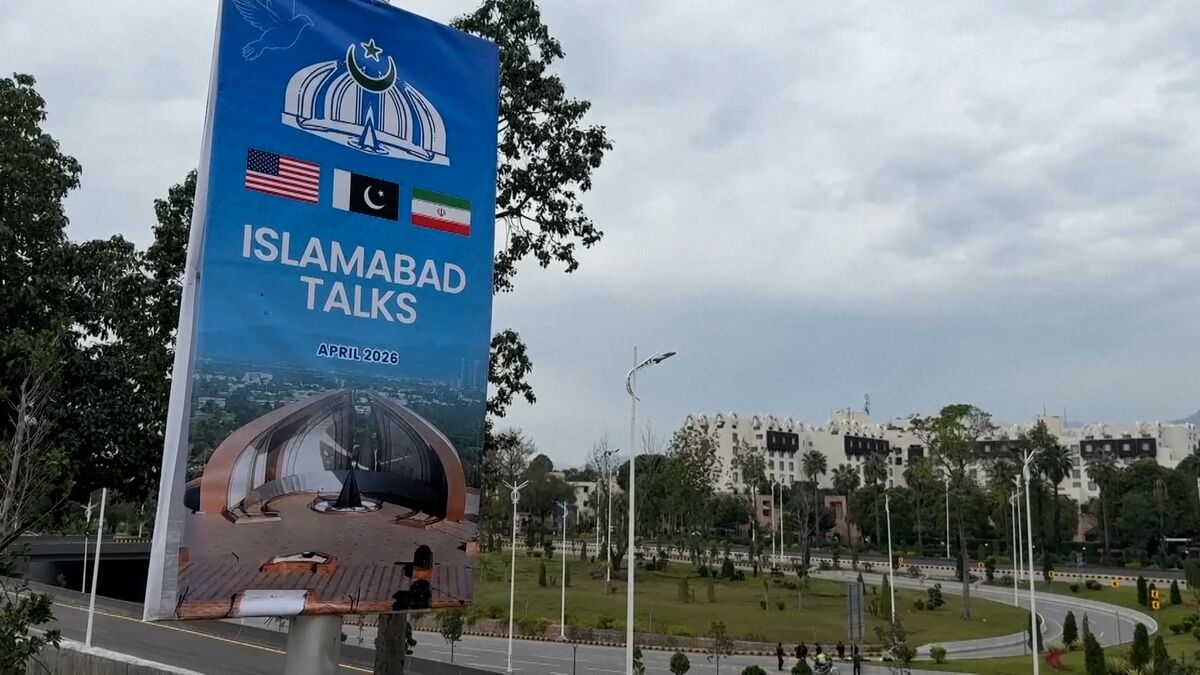

Pakistan Mediates Historic Talks Between US and Iranian Delegates in Islamabad
Islamabad, Pakistan—In a rare diplomatic initiative, Pakistan has become the unlikely host to high-level talks between the United States and Iran, two nations whose relations have been marred by decades of tension, mistrust, and outright hostility. The discussions, held in the Pakistani capital of Islamabad, mark a significant attempt to bridge the deep divide between Washington and Tehran, with Islamabad playing the role of mediator. While Pakistani officials have expressed cautious optimism about the talks, uncertainties linger over the extent to which both parties are willing to compromise on longstanding issues, including Iran’s nuclear program, economic sanctions, and regional security concerns.
The meetings come at a critical juncture in global geopolitics, with rising tensions in the Middle East, ongoing conflicts in Ukraine and Gaza, and increasing pressure on world powers to address pressing international challenges. Pakistan’s decision to facilitate these talks underscores its strategic intent to position itself as a key player in regional diplomacy, leveraging its historical relationships with both the US and Iran. For Islamabad, the stakes are high: success could enhance its global standing, while failure could highlight the limitations of its diplomatic influence.
A Historic Opportunity Amidst Decades of Tensions
The US-Iran relationship has been fraught with conflict since the 1979 Iranian Revolution, which saw the overthrow of the US-backed Shah and the subsequent hostage crisis at the US Embassy in Tehran. Decades of mutual suspicion and hostility have since defined their interactions, punctuated by moments of crisis, such as the US drone strike that killed Iranian General Qassem Soleimani in 2020. Economic sanctions imposed by the US on Iran over its nuclear program have further exacerbated tensions, crippling Iran’s economy and fueling anti-American sentiment among its population.
Efforts to mend relations have been sporadic and largely unsuccessful. The 2015 Iran nuclear deal, formally known as the Joint Comprehensive Plan of Action (JCPOA), represented a rare breakthrough, with Iran agreeing to limit its uranium enrichment in exchange for sanctions relief. However, the deal unraveled after the US withdrew under the Trump administration in 2018, leaving a diplomatic vacuum that has yet to be filled. The Biden administration has expressed a willingness to re-engage with Tehran, but progress has been elusive, with both sides accusing the other of bad faith and intransigence.
Against this backdrop, Pakistan’s decision to host these talks reflects its belief that dialogue is essential to de-escalating tensions and fostering regional stability. Islamabad has long maintained ties with both Washington and Tehran, positioning itself as a neutral intermediary capable of facilitating communication between the two adversaries. Pakistan’s Prime Minister, Shehbaz Sharif, has emphasized the importance of diplomacy in resolving conflicts, stating that “peace and stability in the region depend on constructive dialogue and mutual understanding.”
The Talks: Progress and Challenges
The discussions in Islamabad, described as “exploratory” by insiders, have focused on a range of issues, including Iran’s nuclear ambitions, US sanctions, and regional security in the Middle East and South Asia. Both delegations have reportedly approached the talks with cautious pragmatism, recognizing the need to address shared concerns while protecting their respective interests.
For the US, the primary focus remains on preventing Iran from developing nuclear weapons. Washington has reiterated its commitment to diplomacy but has also signaled that it will not hesitate to escalate pressure if negotiations fail. The US delegation, led by a senior State Department official, has emphasized the importance of verifiable commitments from Iran, particularly in relation to uranium enrichment and access to international nuclear inspectors.
Iran, meanwhile, has sought assurances that sanctions relief will be part of any agreement. Tehran has long argued that punitive economic measures imposed by the US and its allies are unjust and have caused immense hardship for its citizens. The Iranian delegation, headed by a high-ranking foreign ministry official, has called for a “balanced and fair” approach to negotiations, warning that progress will be impossible without tangible steps towards lifting sanctions.
Despite these conflicting priorities, sources close to the talks have indicated that both sides have engaged in “constructive and substantive” discussions, with Pakistani mediators playing a key role in bridging gaps and finding common ground. However, significant challenges remain. Trust between the US and Iran remains in short supply, and domestic political pressures in both countries could limit the scope for compromise. In Iran, hardline factions have criticized the talks as a capitulation to Western demands, while in the US, lawmakers have expressed skepticism about Tehran’s willingness to adhere to any agreement.
Pakistan’s Diplomatic Gambit
Pakistan’s involvement in these talks underscores its ambition to emerge as a mediator in complex international disputes. Historically, Pakistan has been entangled in regional rivalries, particularly with India, and has often been viewed as a security-focused nation rather than a diplomatic one. However, Islamabad’s approach to the US-Iran talks signals a shift towards a more proactive and constructive foreign policy.
Pakistan’s relationships with both the US and Iran provide it with unique leverage. As a long-standing ally of the US, Pakistan has access to Washington’s corridors of power, while its cultural and religious ties with Iran afford it credibility in Tehran. Pakistani officials have sought to capitalize on these connections, emphasizing the importance of dialogue and mutual understanding in resolving conflicts.
At the same time, Pakistan’s diplomatic initiative is not without risks. Mediating between two antagonistic powers is a delicate balancing act, and Islamabad must navigate accusations of favoritism or bias from either side. Moreover, success in these talks could bolster Pakistan’s global standing, but failure could expose the limitations of its diplomatic influence.
Looking Ahead
As the talks in Islamabad continue, the international community is watching closely. The stakes are high: a successful outcome could pave the way for a thaw in US-Iran relations, with far-reaching implications for regional and global stability. Conversely, failure could deepen mistrust and potentially escalate tensions in an already volatile Middle East.
For Pakistan, the discussions represent an opportunity to demonstrate its diplomatic acumen and contribute to peacebuilding efforts in a troubled region. While challenges remain, the willingness of the US and Iran to engage in dialogue is a positive development—one that underscores the enduring importance of diplomacy in resolving even the most intractable conflicts. As the world awaits the outcome of these historic talks, one thing is clear: the road to reconciliation is long and fraught with obstacles, but the pursuit of peace is always worth the effort.
