



U.S.-Iran Talks Collapse After Marathon Negotiations, Leaving Middle East Peace in Limbo
High-Stakes Diplomacy Fails as Tensions Threaten to Escalate
ISLAMABAD, Pakistan — After an exhausting 21-hour negotiating session in Islamabad over the weekend, the United States and Iran have failed to reach a breakthrough in talks aimed at de-escalating the conflict in the Middle East, U.S. Vice President JD Vance confirmed Monday. The breakdown leaves a fragile region teetering on the edge of further instability, with no clear path forward for diplomatic resolution.
The high-stakes discussions, mediated by Pakistani officials, were seen as a critical opportunity to ease hostilities that have flared in recent months—particularly involving Iran-backed militant groups and U.S. forces in the region. However, deep-seated disagreements over security guarantees, sanctions relief, and regional influence proved insurmountable, casting doubt on the prospects for near-term peace.
A Marathon Session with No Winner
The talks, held behind closed doors at Pakistan’s Foreign Ministry, brought together senior U.S. and Iranian envoys in what was described as one of the most intensive diplomatic engagements between the two adversaries in years. Sources familiar with the discussions revealed that while both sides engaged in “serious and substantive” dialogue, mutual distrust and conflicting demands ultimately derailed progress.
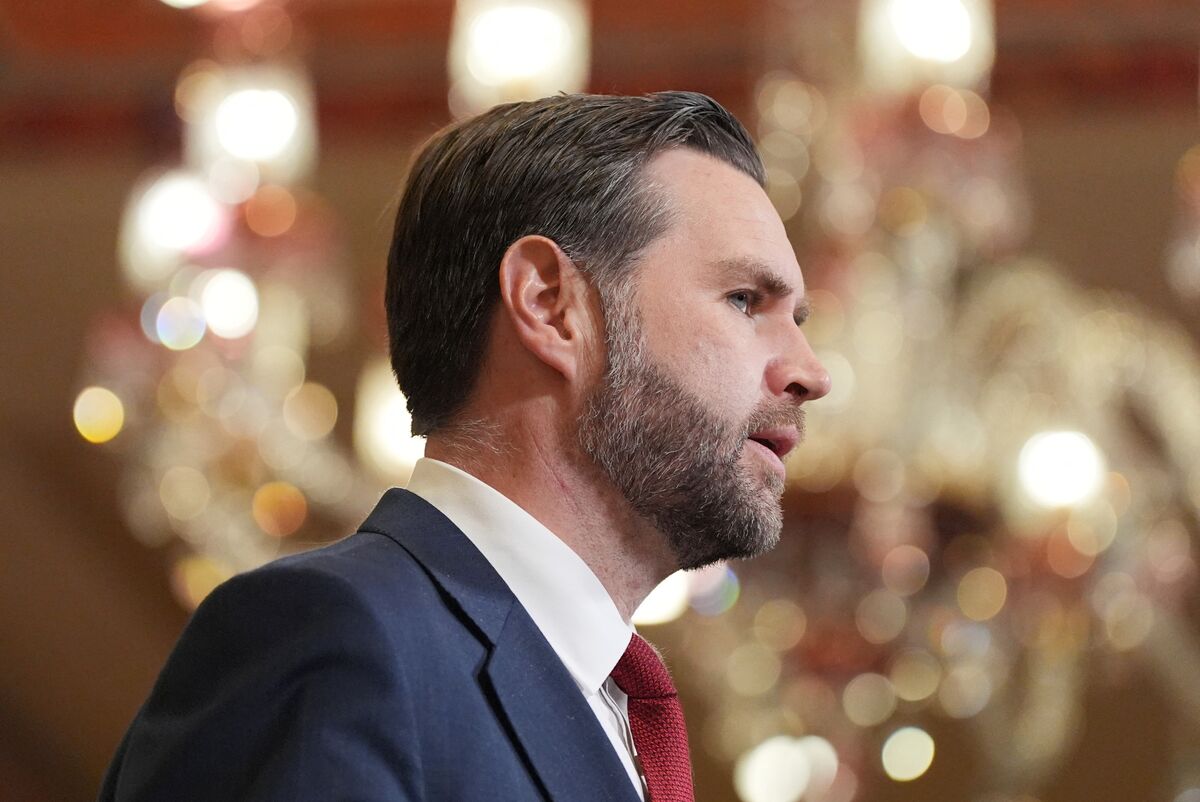
Vice President Vance, who led the U.S. delegation, acknowledged the setback but emphasized Washington’s commitment to preventing further conflict. “We came to the table in good faith, but Iran’s refusal to address key security concerns made an agreement impossible at this time,” he told reporters. “The U.S. will continue to defend its interests and allies in the region.”
Iranian officials, meanwhile, blamed Washington for the impasse, accusing the U.S. of maintaining “unreasonable demands” while refusing to lift crippling economic sanctions. “We showed flexibility, but the Americans were not prepared to offer meaningful concessions,” said Iranian Foreign Ministry spokesperson Nasser Kanaani in a statement.
Broader Implications for the Middle East
The failure to secure even a tentative deal raises urgent questions about the trajectory of Middle East stability. In recent months, tensions have surged, with near-daily clashes between Iranian proxies and U.S. forces in Iraq and Syria, repeated Houthi attacks on Red Sea shipping, and escalating rhetoric between Israel and Hezbollah.
Analysts warn that without a diplomatic off-ramp, the risk of a wider regional war—potentially drawing in global powers—is growing. “This was a missed opportunity,” said Trita Parsi, an expert on U.S.-Iran relations at the Quincy Institute. “Both sides are now back to square one, with military confrontation becoming an increasingly likely scenario.”
The Biden administration had hoped to replicate the success of the now-defunct 2015 nuclear deal (JCPOA), which temporarily eased tensions before collapsing under the Trump administration. However, Iran’s expanding military cooperation with Russia and China, coupled with its advancing nuclear program, has complicated efforts to rebuild trust.
Pakistan’s Role as Mediator Under Scrutiny
Pakistan, which maintains ties with both Washington and Tehran, had positioned itself as a neutral broker in the talks. Prime Minister Shehbaz Sharif’s government had touted the negotiations as a chance to bolster Islamabad’s diplomatic credentials amid its own economic struggles.
Yet the lack of progress has left some questioning whether Pakistan—or any intermediary—can bridge the deep divide between the U.S. and Iran. “Pakistan did its best, but the gaps were simply too wide,” a senior Pakistani official admitted on condition of anonymity.
What Comes Next?
With no follow-up talks currently scheduled, attention now shifts to how both nations will respond. The U.S. is expected to tighten sanctions enforcement and reinforce military partnerships with Gulf allies, while Iran may further empower its proxy networks across the region.
For civilians caught in the crossfire—from Yemen to Syria to Lebanon—the diplomatic failure signals more hardship ahead. Humanitarian organizations have already warned of worsening conditions in conflict zones, where ceasefires remain elusive.
As both sides retreat to their corners, the world watches nervously to see whether diplomacy can still prevail—or if the Middle East is heading toward another devastating escalation. For now, the path to peace appears more uncertain than ever.
