



The New Space Arms Race: How Orbital Weapons Could Spark Global Conflict
By [Your Name], International Affairs Correspondent
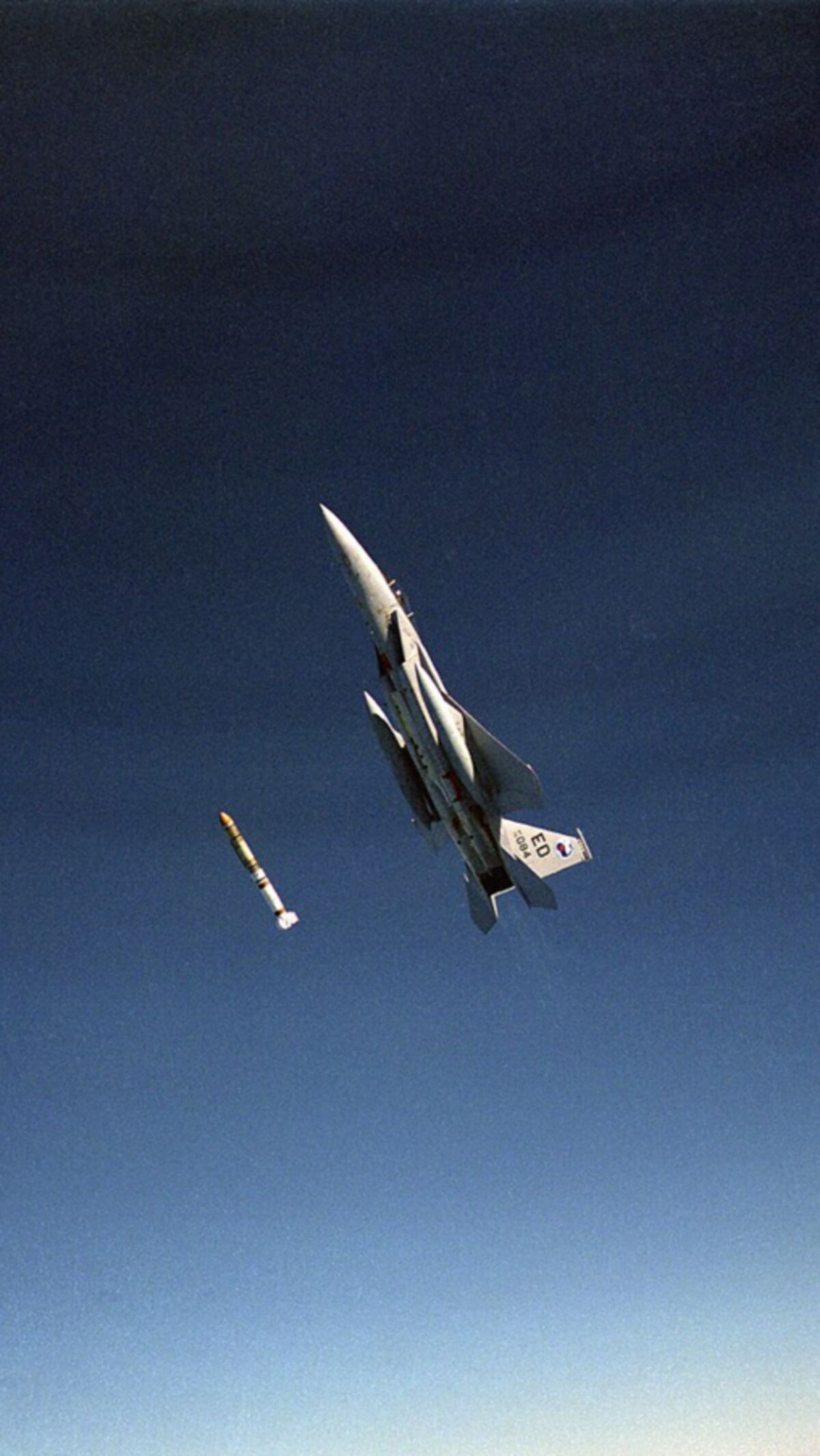
The next world war may not begin with boots on the ground or missiles streaking across borders, but with silent beams of energy fired from satellites orbiting Earth. As geopolitical tensions escalate, military strategists warn that space—once considered humanity’s final frontier for peaceful exploration—is rapidly becoming the next battleground. The development of space-based lasers, orbital nuclear weapons, and anti-satellite systems by major powers threatens to destabilize global security, potentially triggering a catastrophic conflict with unforeseen consequences.
The Emerging Threat of Space Warfare
For decades, space was governed by international treaties designed to prevent its militarization. The 1967 Outer Space Treaty, signed during the Cold War, explicitly banned nuclear weapons in orbit and prohibited nations from claiming celestial bodies. However, advances in technology and shifting geopolitical rivalries have rendered these agreements increasingly obsolete. Today, the U.S., China, and Russia are investing heavily in space-based defense systems, blurring the line between scientific advancement and military escalation.
Recent reports indicate that China has tested ground-based lasers capable of disabling satellites, while Russia has deployed spacecraft suspected of espionage and anti-satellite capabilities. The U.S., meanwhile, has established the Space Force as a new military branch, signaling its intent to dominate the orbital domain. “What we’re seeing is a new arms race, but this time in space,” says Dr. Laura Grego, a senior scientist at the Union of Concerned Scientists. “The lack of clear rules increases the risk of miscalculation—and a single attack on a satellite could spiral into full-scale war.”
The Stakes: Global Communications and Nuclear Deterrence
The militarization of space poses an existential threat to modern civilization. Satellites are the backbone of global communications, GPS navigation, financial systems, and military coordination. A conflict that disrupts or destroys these assets could plunge the world into chaos, crippling economies and disabling critical infrastructure.
Even more alarming is the potential deployment of orbital nuclear weapons. Unlike traditional ICBMs, which take minutes to reach their targets, space-based nukes could strike anywhere on Earth within seconds, leaving no time for diplomatic intervention. While no nation has openly admitted to developing such weapons, experts warn that existing treaties lack enforcement mechanisms, making violations difficult to detect.
“The moment one country puts a nuclear weapon in space, others will follow,” says former Pentagon official Frank Rose. “The deterrent effect of mutually assured destruction doesn’t apply if one side can decapitate its enemy’s command structure before they even realize an attack is coming.”
Diplomatic Efforts Falling Short
Attempts to modernize space governance have stalled amid rising distrust between global powers. The U.N. has hosted multiple discussions on preventing an orbital arms race, but progress remains elusive. China and Russia have proposed a treaty banning all space weapons, while the U.S. argues that such an agreement would be unverifiable without stringent inspection protocols.
Meanwhile, private companies like SpaceX and Blue Origin are launching thousands of satellites for internet and surveillance purposes, further complicating the security landscape. “Commercial satellites could become collateral damage in a military conflict,” warns cybersecurity analyst Kaitlyn Johnson. “An attack on one nation’s satellites might inadvertently disrupt global internet access, affecting billions.”
A Call for Urgent Action
As tensions rise, experts urge renewed diplomatic efforts to establish clear rules of engagement in space. Proposals include banning destructive anti-satellite tests, creating “keep-out zones” around critical satellites, and establishing communication channels to prevent accidental escalation.
“The world survived the Cold War because of arms control agreements and open lines of communication,” says Dr. Grego. “Without similar safeguards in space, we’re gambling with humanity’s future.”
For now, the specter of orbital warfare remains a looming threat—one that demands global attention before the first shot is fired in the heavens. The question is whether nations will act in time to prevent the next war from beginning where no one can hear it explode.
[Your Name] is an award-winning journalist specializing in defense and international security. Follow them on [Twitter/other platform] for further analysis.
