


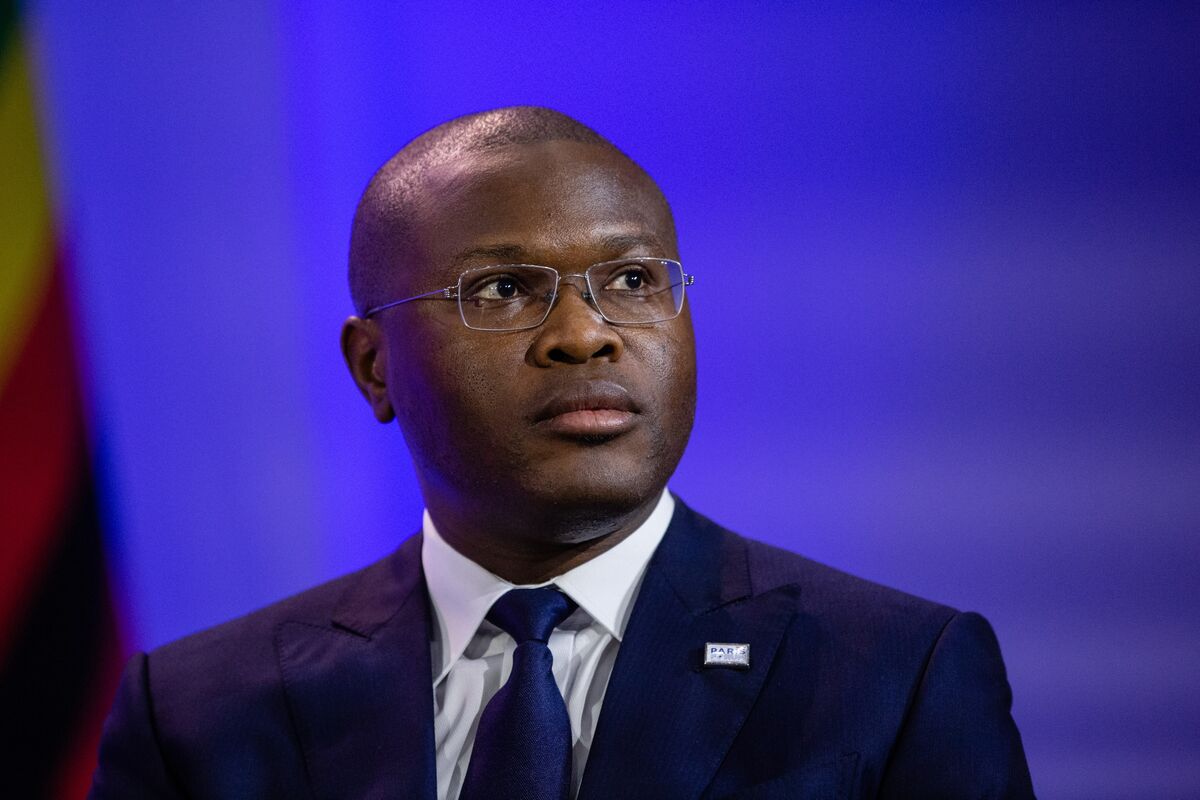

Benin Heads to the Polls: Finance Minister Wadagni Poised for Presidential Victory
Cotonou, Benin – April 2024
Benin’s citizens cast their votes on Sunday in a presidential election that could solidify the West African nation’s economic trajectory under Finance Minister Romuald Wadagni, the clear frontrunner in a race analysts describe as a referendum on his fiscal policies. As ballot counting began late into the evening, preliminary reports from polling stations suggested a strong showing for Wadagni, whose technocratic reputation and ties to the current administration have positioned him as the likely successor to President Patrice Talon. If confirmed, his victory would extend the dominance of Talon’s political camp, though critics warn of diminishing opposition influence in what was once a regional model for multiparty democracy.
A Vote for Continuity or Consolidation?
The election, observed by regional monitors and overshadowed by sporadic opposition allegations of unfair play, marks a pivotal moment for Benin—a country that has seen both economic growth and democratic backsliding under Talon’s leadership. Wadagni, 54, has served as finance minister since 2016, overseeing reforms that bolstered GDP growth to an average of 6% annually and attracted foreign investment in infrastructure and agriculture. His campaign leaned heavily on these achievements, promising to expand industrialization and youth employment in a nation where 60% of the population is under 25.
Yet his path to the presidency faced little resistance. Key opposition figures, including former Prime Minister Lionel Zinsou, were disqualified from running under revised electoral laws that mandate stringent financial and administrative requirements—a move Human Rights Watch criticized as “deliberately exclusionary.” Only three minor candidates appeared on the ballot alongside Wadagni, none with significant name recognition or resources. “This isn’t an election; it’s a coronation,” muttered one disgruntled voter in Cotonou, echoing sentiments heard in urban pockets where dissent persists.
Economic Gains vs. Democratic Erosion
Benin’s paradox lies in its dual identity: a darling of the IMF and World Bank for fiscal discipline, yet a cautionary tale for civil society advocates. Under Talon, the government cracked down on protests, jailed critics, and curtailed press freedoms—a sharp contrast to the 1990s, when Benin pioneered Africa’s democratic wave after ousting Marxist dictator Mathieu Kérékou.
Wadagni, a French-educated economist and former banking executive, has avoided direct association with Talon’s authoritarian tendencies, instead framing his candidacy as apolitical. “Stability breeds prosperity,” he told supporters last week, deflecting questions about governance. But analysts note his reliance on Talon’s UNIR party machinery and deep-pocketed backers, including cotton magnates who dominate Benin’s agro-export economy.
“The real test will be whether Wadagni governs as a reformer or a caretaker,” said Ndubuisi Ekekwe, a Lagos-based political risk consultant. “Investors want policy predictability, but civil society demands accountability.”
Regional Implications and Voter Sentiment
Beyond Benin’s borders, the election resonates in a region roiled by coups and anti-Western sentiment. Coastal West Africa, once a relative bastion of stability, has seen military takeovers in Mali, Burkina Faso, and Niger—all citing dissatisfaction with elected leaders. Benin, meanwhile, has strengthened ties with France and the U.S., hosting a Pentagon-backed drone base to counter jihadist threats spilling over from the Sahel.
At polling stations in Porto-Novo and Parakou, voters expressed mixed priorities. “Prices are too high, but at least roads are being built,” said Adélaïde Ogun, a market trader. Younger voters, however, voiced frustration over unemployment and perceived elite corruption. “We’re tired of promises,” said university student Marc Gbeganvi, though he admitted casting a ballot for Wadagni as “the only option.”
What Comes Next?
Official results are expected within 48 hours, but barring unforeseen irregularities, Wadagni’s inauguration in May seems assured. The greater uncertainty lies in how he navigates Benin’s competing pressures: maintaining investor confidence while addressing inequality, and balancing alliances with Western partners against growing anti-French sentiment in the region.
For now, the international community appears willing to prioritize economic metrics over governance concerns. The African Union’s observer mission praised the vote as “peaceful and orderly,” while the EU delegation avoided direct criticism of the lopsided race.
As Benin awaits final tallies, the question lingers: Can Wadagni reconcile the nation’s economic ambitions with its democratic aspirations? The answer may define not just his presidency, but Benin’s place in a rapidly changing Africa.
