



Hungary’s Political Landscape Transforms as Orbán Concedes After 16 Years in Power
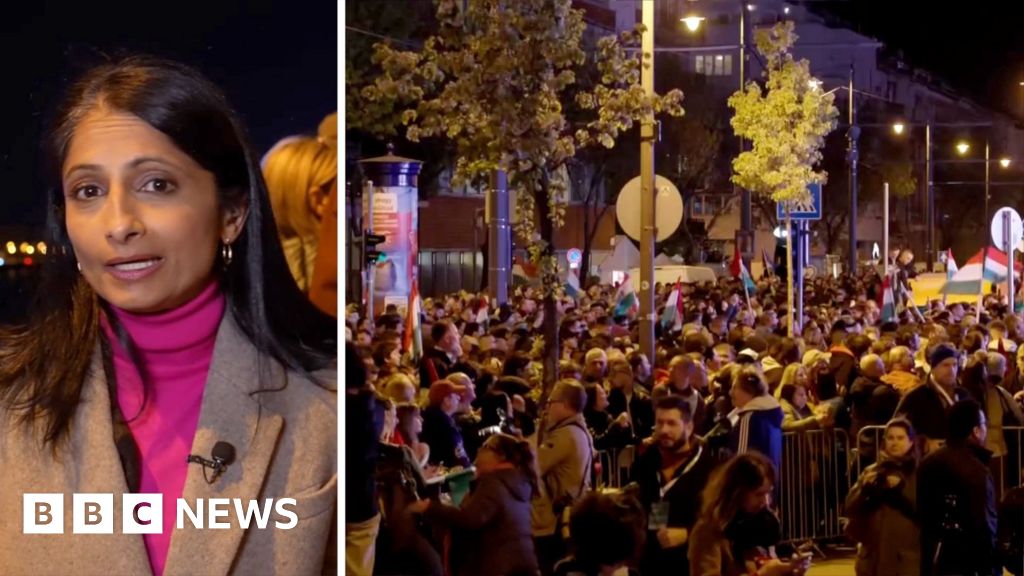
In a stunning turn of events that could reshape the political future of Central Europe, Hungarian Prime Minister Viktor Orbán has conceded defeat after 16 years of unbroken rule. Preliminary results indicate a landslide victory for the opposition, led by Péter Magyar, in an election that drew record voter turnout and was widely seen as a referendum on Hungary’s democratic trajectory. Crowds gathered outside the parliament in Budapest erupted in celebration as news of Orbán’s concession spread, marking the end of an era defined by nationalist rhetoric, controversial policies, and strained relations with the European Union. The outcome not only signals a seismic shift in Hungarian politics but also carries profound implications for the broader European and global geopolitical landscape.
A Historic Election Amidst Record Turnout
The 2024 Hungarian election was billed as one of the most consequential in the country’s modern history. With voter participation reaching unprecedented levels, Hungarians turned out in droves to cast their ballots in what many viewed as a decisive moment for the nation’s future. Preliminary results, with two-thirds of the votes counted, suggest a commanding majority for Péter Magyar’s opposition coalition in the parliament. Magyar, a former insider within Orbán’s Fidesz party who broke ranks to form a new political movement, has positioned himself as a reformist candidate promising transparency, anti-corruption measures, and a return to democratic norms.
Orbán, who has dominated Hungarian politics since his return to power in 2010, acknowledged the defeat in a rare public statement, signaling the end of his long-standing rule. Known for his authoritarian tendencies, Orbán’s tenure has been marked by a steady erosion of democratic institutions, media freedom, and judicial independence, drawing sharp criticism from international observers. His defeat represents a dramatic reversal for a leader who once styled himself as the defender of “illiberal democracy” and a bulwark against Western liberalism.
The Global Context: Hungary’s Role in European Politics
The Hungarian election has far-reaching implications beyond its borders. Orbán’s government has been a contentious figure within the European Union, often clashing with Brussels over issues such as rule of law, migration, and EU funding. His close ties with Russia and China have also raised concerns about Hungary’s alignment with Western democratic values. The election of Magyar, who has pledged to strengthen Hungary’s ties with the EU and NATO, could herald a significant shift in the country’s foreign policy and its role within the bloc.
For the EU, the outcome is a welcome development at a time when unity is crucial in responding to global challenges such as the war in Ukraine, energy security, and the rise of authoritarianism worldwide. A Hungary under Magyar’s leadership is likely to align more closely with EU priorities, potentially easing tensions and fostering greater cooperation on key issues.
On the global stage, Orbán’s defeat sends a powerful message about the resilience of democratic values in the face of authoritarianism. It comes amidst a broader trend of democratic backsliding in countries like Poland, Turkey, and India, where leaders have sought to consolidate power by undermining democratic institutions. Hungary’s election results could serve as a rallying cry for pro-democracy movements around the world, demonstrating that even entrenched leaders can be unseated through the ballot box.
Why This Matters: A Turning Point for Hungary and Beyond
The significance of Hungary’s election extends beyond its immediate political implications. For Hungarians, the vote represents a long-awaited opportunity to reclaim their democracy and address widespread concerns about corruption, economic inequality, and governance. Magyar’s campaign, which focused on transparency and accountability, resonated deeply with voters weary of Orbán’s divisive rhetoric and cronyism.
For Europe and the world, the election underscores the importance of safeguarding democratic institutions and combating authoritarianism. Orbán’s defeat is a reminder that democratic renewal is possible, even in the face of entrenched power and systemic challenges. It also highlights the role of grassroots mobilization and civic engagement in driving political change, as evidenced by the record voter turnout in Hungary.
Looking ahead, the new Hungarian government will face formidable challenges, including rebuilding democratic institutions, addressing economic disparities, and restoring Hungary’s international standing. Magyar’s ability to deliver on his promises will be closely watched, both domestically and internationally, as Hungary seeks to chart a new course in a rapidly changing world.
A New Chapter for Hungary
As Hungary prepares to turn the page on Orbán’s era, the country stands at a crossroads. The election of Péter Magyar and his opposition coalition represents a historic opportunity to redefine Hungary’s political and social fabric, aligning it more closely with democratic values and global norms. For Europe, the outcome offers a glimmer of hope in the fight against authoritarianism and a chance to strengthen the foundations of democracy.
The world will be watching as Hungary embarks on this new chapter, hopeful that the spirit of change that swept through the election will pave the way for a brighter, more inclusive future. In the words of one Budapest resident celebrating outside the parliament, “This is not just a victory for Hungary—it’s a victory for democracy everywhere.”
