



Saudi Arabia Restores Full Capacity of Critical East-West Oil Pipeline
Global energy markets stabilize as key Saudi export route returns to full operational capacity
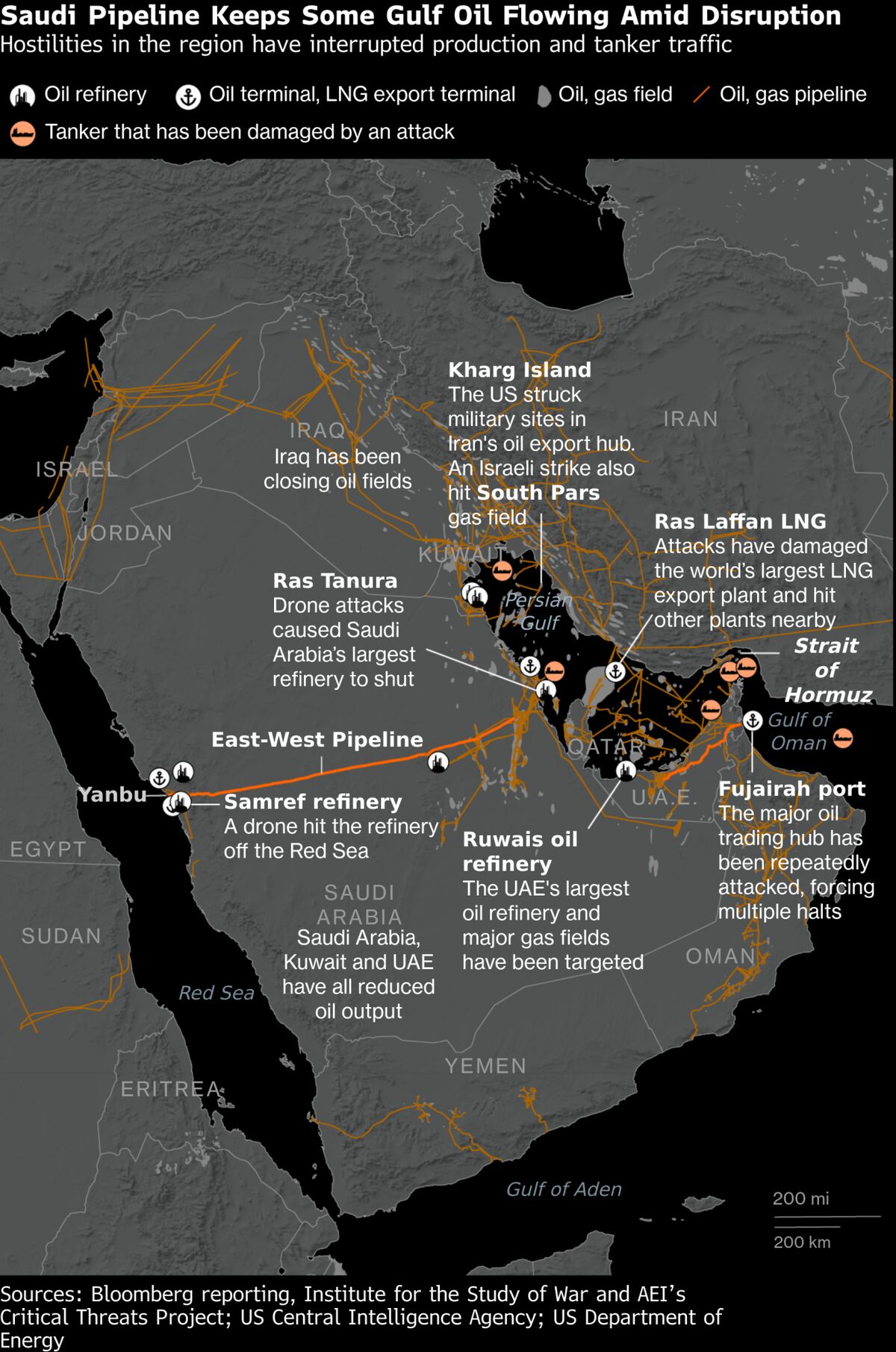
Riyadh, Saudi Arabia – Saudi Arabia has successfully restored full pumping capacity to its vital East-West Pipeline, marking a significant milestone for global energy security. The 1,200-kilometer artery, capable of transporting 7 million barrels of crude per day, has resumed operations at peak efficiency following months of maintenance and upgrades. The pipeline’s rehabilitation ensures uninterrupted oil exports from the kingdom’s eastern fields to Red Sea terminals, offering a strategic alternative to the volatile Strait of Hormuz.
The restoration comes at a pivotal moment for energy markets, as geopolitical tensions and supply chain disruptions continue to threaten global oil flows. Analysts suggest the pipeline’s reliability could bolster market confidence, particularly for Asian and European buyers reliant on Saudi crude. “This isn’t just about volume—it’s about diversification,” said energy strategist Leila Al-Hadad. “The East-West Pipeline gives Saudi Arabia flexibility to bypass chokepoints, which is invaluable in today’s climate.”
A Strategic Lifeline for Global Oil Markets
Officially known as the Petroline, the East-West Pipeline spans from Abqaiq—home to Saudi Arabia’s largest oil processing facility—to the Red Sea port of Yanbu. Its 7-million-barrel daily capacity accounts for nearly 7% of global oil demand, equivalent to the total consumption of France and Germany combined. The pipeline’s redundancy became critical after a 2019 drone attack temporarily halved Saudi production, exposing vulnerabilities in maritime export routes.
Recent upgrades focused on corrosion control and pumping station automation, addressing aging infrastructure while expanding surge capacity. State-owned Saudi Aramco has not disclosed costs, but industry estimates suggest investments exceeded $500 million. The project aligns with Crown Prince Mohammed bin Salman’s Vision 2030 goals to future-proof energy infrastructure amid rising regional competition.
Red Sea Access: A Hedge Against Hormuz Risks
With 20% of the world’s oil supply traversing the Strait of Hormuz, the East-West Pipeline offers a rare land-based alternative. Its Red Sea terminus allows tankers to reach Europe via the Suez Canal or sail directly to Asia without navigating the Persian Gulf—a advantage underscored by recurring tensions between Iran and Western powers. During the 2021 Grace 1 tanker crisis, Saudi Arabia reportedly increased Petroline flows by 12% to compensate for shipping delays.
“The Red Sea route is insurance against geopolitical shocks,” said Rystad Energy’s Javier Barrera. “For European refiners facing Russian sanctions, this could mean steadier access to medium sour crude.” The pipeline also strengthens Saudi Arabia’s hand in OPEC+ negotiations, as its ability to reroute exports reduces vulnerability to regional conflicts.
Market Implications and Environmental Scrutiny
While the news stabilized Brent crude prices near $85/barrel, critics argue expanded fossil fuel infrastructure contradicts climate pledges. Saudi officials counter that the pipeline’s efficiency lowers emissions by reducing tanker traffic. “Modern pipelines leak less than ships,” argued Aramco CEO Amin Nasser at a recent energy forum.
The restoration coincides with Saudi Arabia’s push to become a blue hydrogen hub, though analysts note oil will dominate exports for decades. “Energy transition is a marathon, not a sprint,” said IHS Markit’s Karla Vazquez. “Infrastructure like this ensures stability during the shift.”
The Road Ahead
As Saudi Arabia navigates volatile oil markets and energy transition pressures, the East-West Pipeline exemplifies its balancing act between immediate economic needs and long-term sustainability. For now, the kingdom’s latest infrastructure achievement offers the world one less thing to worry about in an increasingly uncertain energy landscape.
Additional reporting by energy correspondents in London and Singapore.
