



Ukraine Warns of “Symmetrical Response” to Russian Attacks as Global Tensions Escalate
A Stark Warning Amid Rising Hostilities
Ukrainian President Volodymyr Zelensky has vowed a “symmetrical response” to Russian military strikes, signaling a potential escalation in the nearly two-year-old war. The warning comes as Moscow intensifies bombardments across eastern Ukraine, targeting civilian infrastructure and military positions alike. With both sides digging in for a protracted conflict, Zelensky’s statement underscores Kyiv’s determination to retaliate—raising fears of further destabilization in an already volatile region.
The war, which began with Russia’s full-scale invasion in February 2022, has evolved into a grinding battle of attrition, with neither side willing to concede. As global powers watch closely, the risk of broader geopolitical fallout looms large.
Russia’s Latest Offensive and Ukraine’s Defiance
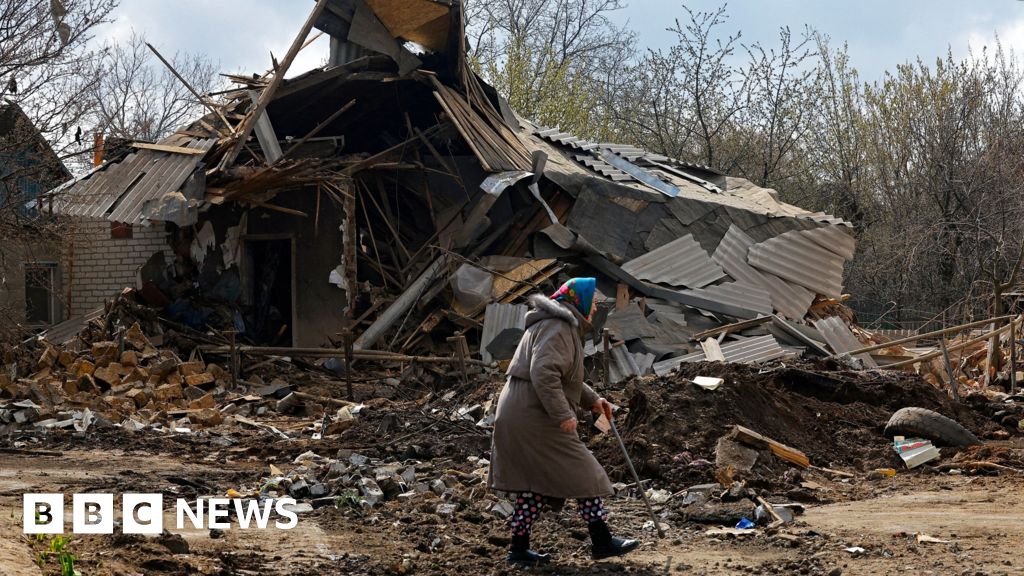
Recent weeks have seen a surge in Russian attacks, particularly around the embattled eastern cities of Avdiivka and Kupiansk. Moscow’s forces have employed heavy artillery, drones, and missile strikes in an attempt to break through Ukrainian defenses. Civilian casualties continue to mount, with the United Nations reporting over 10,000 non-combatant deaths since the invasion began—a figure likely undercounted due to restricted access in occupied territories.
Zelensky’s declaration of a “symmetrical response” suggests that Ukraine may step up its own strikes on Russian military positions and possibly even within Russian territory. Kyiv has already demonstrated its capability to hit back, with drone attacks on Moscow and strikes on Russian naval assets in the Black Sea. However, a more aggressive Ukrainian counteroffensive could provoke even harsher retaliation from the Kremlin, further straining fragile diplomatic efforts.
Global Implications: A Test of Western Resolve
The conflict has far-reaching consequences beyond Eastern Europe. Western nations, particularly the U.S. and EU, have poured billions into military and humanitarian aid for Ukraine, but political divisions threaten future support. In the U.S., Republican lawmakers have stalled additional funding, while European leaders face growing public fatigue over the war’s economic toll.
Meanwhile, Russia has deepened ties with China, Iran, and North Korea, securing weapons and economic lifelines that sustain its war machine. If Ukraine escalates its retaliation, it risks triggering a more direct confrontation between NATO and Moscow—a scenario that could spiral into a wider conflict.
Humanitarian Crisis Deepens
Beyond the battlefield, the war has displaced millions, with over 6 million Ukrainians fleeing abroad and nearly 4 million internally displaced. Critical infrastructure, including power grids and hospitals, remains under constant threat from Russian strikes, leaving civilians vulnerable as winter approaches. The World Health Organization has warned of a looming health catastrophe, with shortages of medical supplies and disrupted services exacerbating suffering.
Why This Matters
The war in Ukraine is no longer just a regional conflict—it is a defining struggle for global security. A Ukrainian “symmetrical response” could shift the dynamics of the war, but it also risks further escalation at a time when diplomatic solutions seem increasingly distant. The international community must weigh the consequences of prolonged warfare against the dangers of unchecked Russian aggression.
As the world watches, one thing is clear: the stakes have never been higher. The choices made in the coming months will shape not only Ukraine’s future but the stability of the entire international order.
