



Markets Breathe Easier as Iran Conflict Risks Subside, Citadel Securities Predicts Rally
In a welcome shift for global markets, fears of a worst-case escalation in the Iran conflict have begun to ease, paving the way for a potential rally in both stocks and bonds. This optimistic outlook, detailed in a recent analysis by Citadel Securities, comes as geopolitical tensions in the Middle East show signs of stabilizing, allowing investors to refocus on economic fundamentals and policy developments. The report highlights how the retreat from the brink of a broader regional conflict has alleviated market anxieties, potentially unlocking significant upside for risk assets in the near term.
The Geopolitical Backdrop: A Tense Standoff
The recent escalation in tensions between Iran and Israel had cast a long shadow over global markets, raising concerns of a full-blown regional conflict. The hostilities began in early 2024, following a series of targeted attacks attributed to Iran-backed groups against Israeli interests in the Middle East. Israel’s retaliatory strikes further heightened tensions, prompting fears of a broader war that could destabilize the region and disrupt global energy supplies. The specter of such a conflict sent oil prices surging and equity markets plunging, as investors braced for the worst.
However, in recent weeks, diplomatic efforts have gained traction, with key regional and international actors working to de-escalate the situation. The United States, alongside European and Gulf allies, has played a pivotal role in mediating talks aimed at reducing hostilities. While the situation remains fragile, the absence of further major provocations has allowed markets to recalibrate their risk assessments.
Market Implications: From Fear to Opportunity
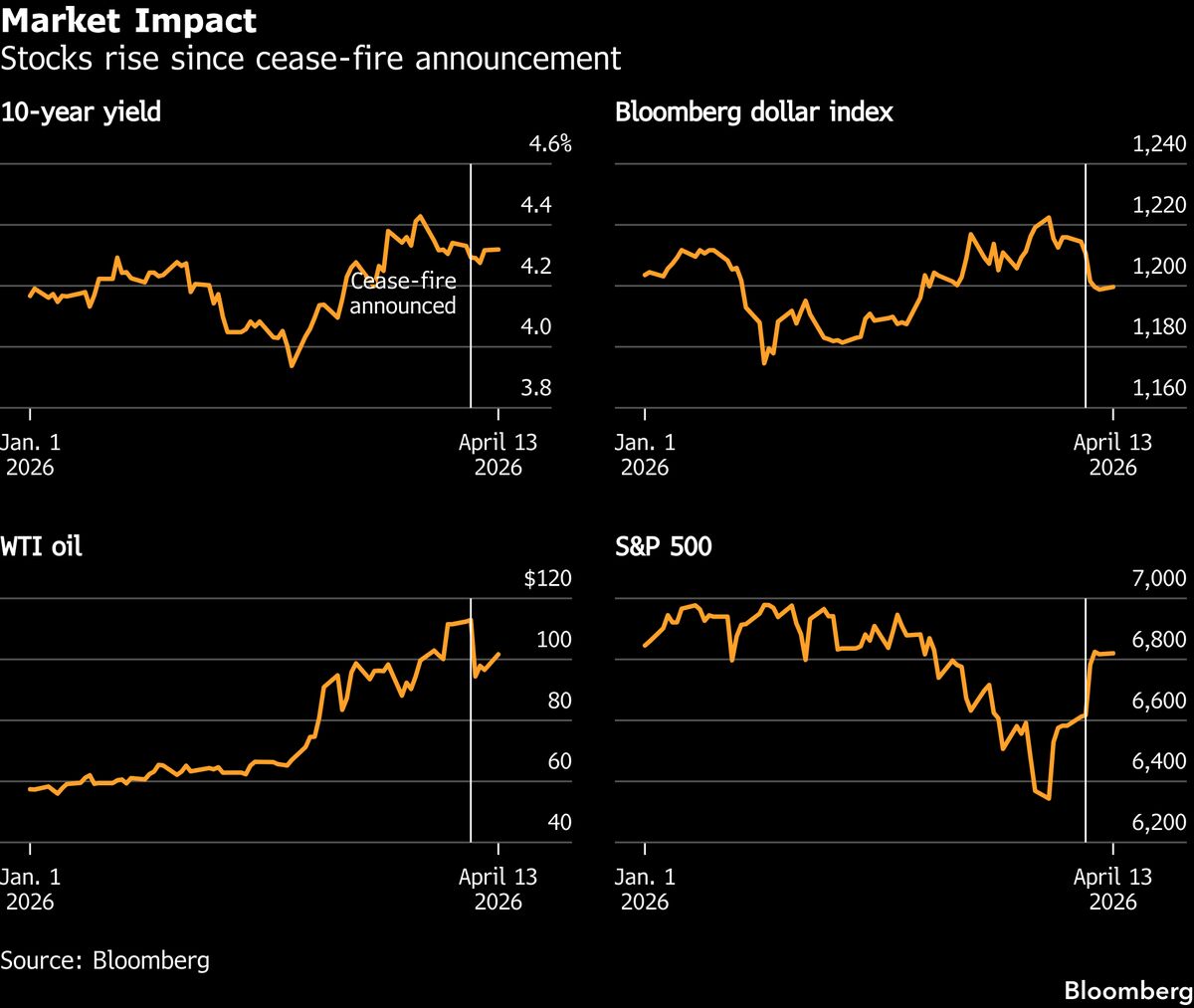
According to Citadel Securities, the easing of tensions has created a window of opportunity for a market rally. The firm’s analysis underscores how geopolitical risks had previously weighed heavily on investor sentiment, driving a flight to safety that boosted demand for U.S. Treasuries and other secure assets. With these risks now receding, the focus is shifting back to economic data, corporate earnings, and central bank policies—factors that traditionally drive market performance.
Equity markets, in particular, stand to benefit from this renewed optimism. The S&P 500 and other major indices, which had been under pressure amid fears of escalating conflict, are now poised for gains as investor confidence returns. Citadel Securities notes that sectors such as technology, energy, and financials, which were disproportionately affected by the geopolitical overhang, could see significant upside in the coming weeks.
Bond markets, too, are expected to stabilize. The earlier surge in demand for Treasuries had pushed yields to multi-month lows, but as risk appetite returns, yields are likely to rise modestly, reflecting a more balanced outlook. Citadel Securities’ analysts caution, however, that any rally will remain contingent on continued geopolitical stability and favorable economic conditions.
Broader Economic Context
The easing of Iran-related tensions comes at a critical juncture for the global economy. Central banks, including the Federal Reserve and the European Central Bank, have been grappling with persistent inflationary pressures while navigating the delicate balance between growth and stability. The recent geopolitical turmoil had added another layer of uncertainty to this already complex equation, complicating policy decisions and clouding the economic outlook.
With these external pressures now subsiding, policymakers can focus more squarely on domestic economic indicators. This shift is particularly timely given the mixed signals emanating from key economies. In the U.S., for instance, robust job growth and resilient consumer spending have been offset by signs of slowing manufacturing activity and elevated inflation. Similarly, Europe faces challenges ranging from sluggish growth to energy security concerns, while China’s economy continues to grapple with the fallout from its property sector crisis.
Citadel Securities’ analysis suggests that the reduction in geopolitical risks could provide a much-needed boost to global economic sentiment, supporting growth and reducing volatility in financial markets.
Investor Sentiment and Strategic Shifts
The evolving geopolitical landscape has prompted a swift reassessment among investors. Hedge funds, institutional investors, and retail traders alike had adopted a cautious stance in recent months, favoring defensive positions and reducing exposure to riskier assets. Citadel Securities’ report indicates that this defensive posture is now giving way to a more proactive investment strategy, with a focus on identifying undervalued opportunities in equities and other asset classes.
Emerging markets, which had been particularly vulnerable to the dual pressures of geopolitical uncertainty and rising U.S. interest rates, could also see renewed interest. Countries in the Middle East and North Africa, which were directly impacted by the Iran tensions, may experience a rebound in investor confidence as stability returns.
Risks Remain: A Fragile Calm
While the outlook appears promising, experts caution that the situation remains precarious. The Middle East has long been a hotspot of geopolitical volatility, and any renewed flare-up in tensions could quickly reverse the recent gains in market confidence. Additionally, other risks—such as the ongoing U.S.-China rivalry, Europe’s energy crisis, and the unpredictable trajectory of global inflation—continue to loom large.
Citadel Securities’ report emphasizes that investors should remain vigilant and diversify their portfolios to mitigate potential downside risks. The firm also highlights the importance of staying attuned to geopolitical developments, which could once again take center stage if the situation deteriorates.
Conclusion: A Tentative Optimism
As the immediate threat of a broader Iran conflict recedes, markets are breathing a collective sigh of relief. The shift in sentiment, coupled with stabilizing geopolitical conditions, has created a fertile ground for a rally in stocks and bonds. However, the path ahead remains uncertain, with numerous challenges still on the horizon. For now, investors and policymakers alike can take solace in the fact that the worst-case scenario appears to have been averted—at least for the moment.
In the ever-volatile world of geopolitics and markets, cautious optimism remains the order of the day.
