


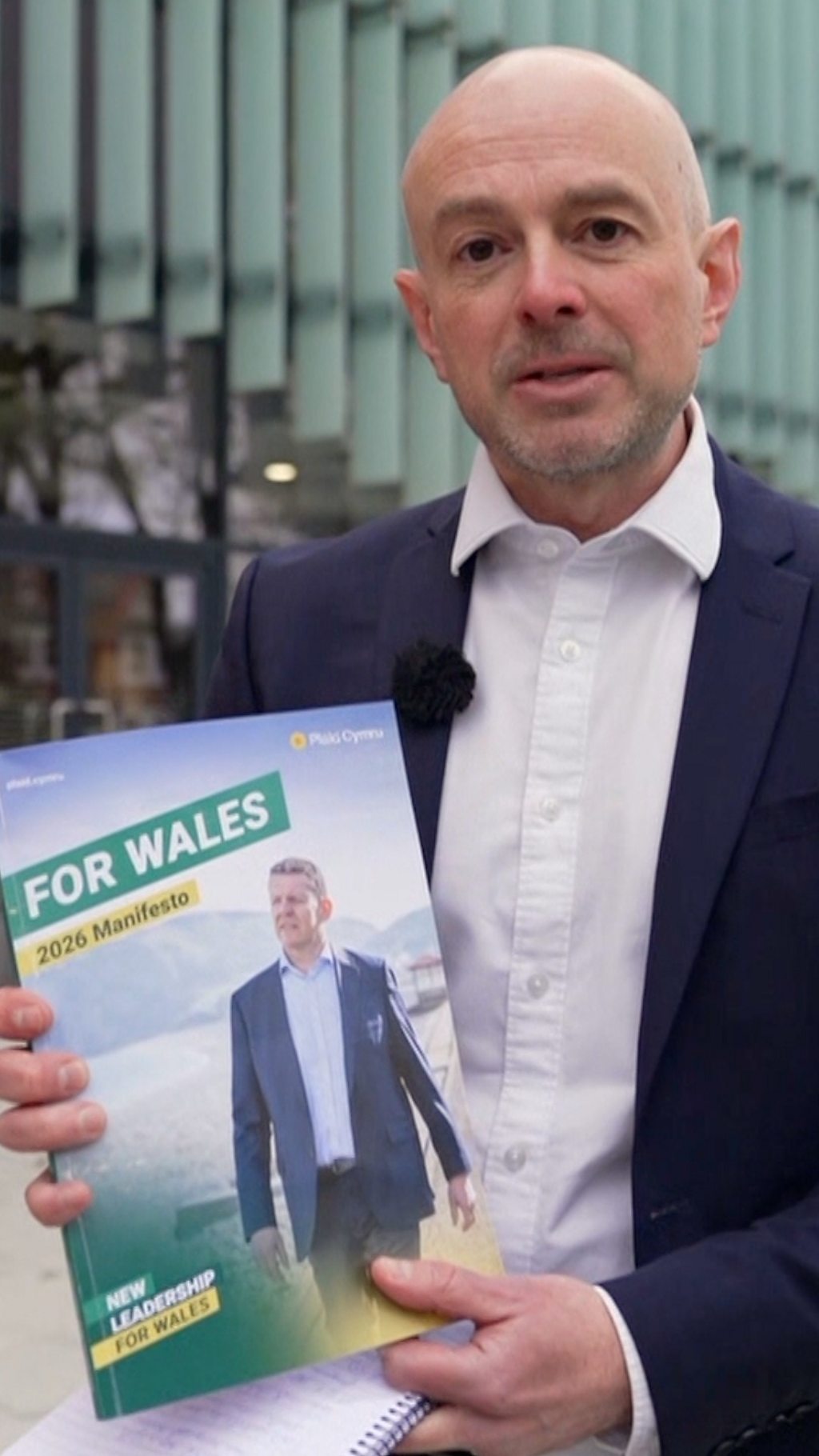

Plaid Cymru Unveils Ambitious Manifesto for 2026 Senedd Election
Wales’ pro-independence party, Plaid Cymru, has set out its vision for the future of the nation with the release of its manifesto ahead of the 2026 Senedd election. The document, championed by party leader Rhun ap Iorwerth, outlines a comprehensive plan centered on economic revitalization, social justice, and environmental sustainability, while reaffirming its commitment to Welsh independence.
The manifesto, titled “A Fairer, Greener Wales”, prioritizes tackling poverty, expanding public services, and transitioning to a green economy. It also includes bold proposals for constitutional reform, aiming to strengthen Wales’ autonomy within the UK or pave the way for full independence. The party’s policies are designed to address pressing issues such as the cost-of-living crisis, NHS pressures, and climate change, while positioning Wales as a progressive, self-governing nation.
Economic Revitalization and Tackling Inequality
At the heart of Plaid Cymru’s manifesto is a promise to rebuild Wales’ economy and reduce inequality. The party proposes a £6 billion investment package to create jobs, enhance infrastructure, and support local businesses. A key focus is on decarbonizing industries, with plans to establish green energy hubs and incentivize renewable energy projects.
The party also pledges to introduce a “living wage” set at a higher threshold than the UK’s minimum wage, ensuring workers can meet the rising cost of living. Additionally, Plaid Cymru aims to reform the welfare system by increasing benefits and introducing targeted support for low-income families.
Healthcare and Education Reform
Healthcare remains a cornerstone of the manifesto, with proposals to increase NHS funding and reduce waiting times. Plaid Cymru advocates for the creation of a Welsh National Care Service, integrating health and social care to provide comprehensive support for the elderly and vulnerable.
In education, the party plans to invest heavily in Welsh-medium schools and expand access to free childcare. It also proposes a cap on university tuition fees, ensuring higher education remains affordable for Welsh students.
Environmental Leadership and Climate Action
Plaid Cymru positions itself as a champion of environmental sustainability, committing to achieving net-zero emissions by 2035—15 years ahead of the UK government’s target. The manifesto includes plans to expand public transport, retrofit homes to improve energy efficiency, and protect Wales’ natural landscapes.
The party also calls for a moratorium on new fossil fuel projects and pledges to invest in renewable energy sources such as wind, solar, and tidal power.
Constitutional Reform and Independence
Central to Plaid Cymru’s vision is its commitment to Welsh independence. The manifesto outlines steps to strengthen Wales’ autonomy, including transferring more powers from Westminster to the Senedd and holding a referendum on independence by 2030.
The party argues that independence would enable Wales to make decisions tailored to its unique needs, from economic policy to environmental regulation. It also proposes reforms to the UK’s devolution settlement, including the establishment of a federal system that grants equal status to Wales, Scotland, and Northern Ireland.
Context and Significance
The release of Plaid Cymru’s manifesto comes at a pivotal moment for Welsh politics. With the Senedd election less than three years away, the party aims to capitalize on growing support for independence and dissatisfaction with the UK government’s handling of key issues.
Recent polls suggest that independence remains a minority position in Wales, but support has been steadily increasing, particularly among younger voters. Plaid Cymru’s manifesto seeks to appeal to this demographic while addressing broader concerns about economic stagnation, social inequality, and environmental degradation.
The party’s policies also reflect a broader shift toward progressive, green politics across Europe. By positioning itself as a champion of sustainability and social justice, Plaid Cymru aims to differentiate itself from its rivals, including the Welsh Labour Party, which has governed Wales since devolution in 1999.
Challenges and Future Implications
While Plaid Cymru’s manifesto has been praised for its ambition, it faces significant challenges. The party must convince voters that its policies are both achievable and financially viable, particularly amid ongoing economic uncertainty.
The independence agenda, in particular, is likely to face skepticism from those who fear the potential economic and political risks of leaving the UK. Plaid Cymru will need to build a broad coalition of support to advance its vision, including forging alliances with other pro-independence parties and grassroots movements.
Looking ahead, the 2026 Senedd election could prove decisive for Wales’ future. If Plaid Cymru can translate its manifesto into electoral gains, it may push Welsh independence from the fringes to the mainstream of political discourse.
Ultimately, Plaid Cymru’s manifesto represents not just a policy platform, but a bold assertion of Wales’ potential as a self-governing nation. Whether it succeeds in reshaping Wales’ political landscape remains to be seen, but its vision has undoubtedly set the stage for a transformative election.
