


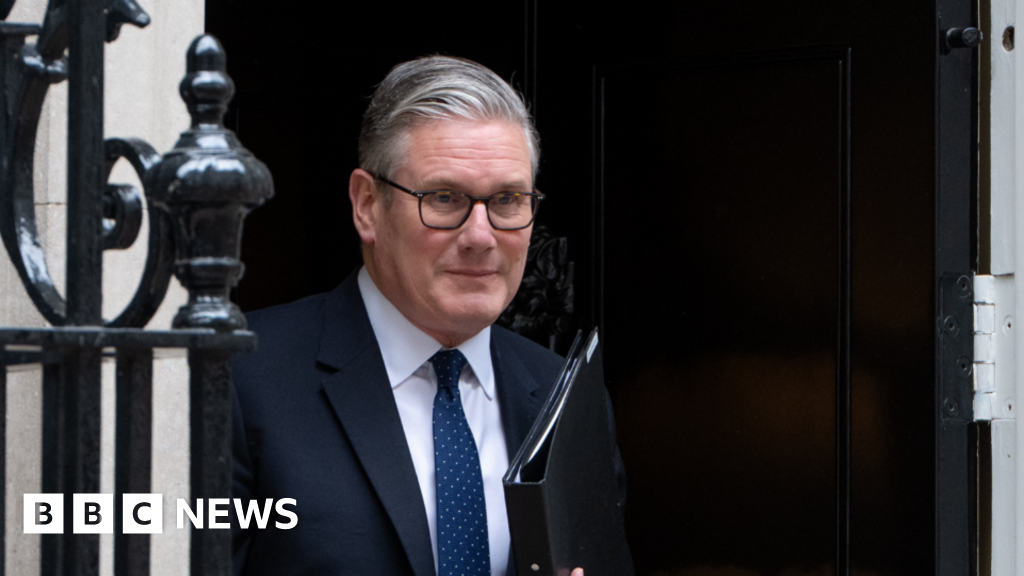

Prime Minister Returns to Commons Amid Labour Peer Vetting Controversy
The Prime Minister of the United Kingdom made a return to the House of Commons on Tuesday, just hours after revelations emerged that a Labour peer had failed the vetting process required for their appointment. The development has sparked intense scrutiny over the transparency and robustness of political appointments in the UK, raising questions about accountability within both major parties.
The controversy centers on the unnamed Labour peer, whose appointment to a significant role was halted after failing to meet the stringent vetting criteria set by government officials. Details surrounding the specific reasons for the failure remain unclear, but sources suggest concerns may have arisen over financial disclosures or past conduct. The revelation has cast a shadow over Labour’s internal processes and ignited a debate about the integrity of political appointments across Westminster.
The Prime Minister’s appearance in the Commons came as MPs pressed for clarity on the matter. During a heated session, opposition leaders demanded answers on whether the government had been aware of the peer’s issues prior to the vetting process and whether similar concerns could arise elsewhere. The Prime Minister, while acknowledging the gravity of the situation, emphasized the importance of the vetting system in maintaining public trust.
“The integrity of our institutions is paramount,” the Prime Minister stated. “The vetting process exists for a reason, and its findings must be respected. While this is a matter for the Labour Party to address, it underscores the need for all parties to ensure appointments are made with the highest standards of scrutiny.”
The Labour Party has yet to issue a detailed response but confirmed that the peer in question will not proceed with the appointment. A spokesperson for the party said, “We take these matters seriously and are reviewing our internal processes to prevent such situations in the future.”
This incident comes at a time when public confidence in political institutions is already under strain. Recent scandals, including allegations of misconduct and ethical lapses across both major parties, have fueled perceptions of a disconnect between elected officials and the voters they serve. The vetting failure has added fuel to the fire, with critics arguing that it highlights systemic flaws in how political appointments are managed.
Political analysts suggest the controversy could have broader implications for the Labour Party, which has been positioning itself as a government-in-waiting ahead of the next general election. The incident could undermine Labour’s efforts to present itself as a party of integrity and accountability, particularly if further details emerge that call into question its vetting processes.
For the government, the situation presents both an opportunity and a challenge. While the Prime Minister has sought to distance the administration from the Labour peer’s vetting failure, opposition MPs have been quick to draw parallels with similar controversies involving Conservative appointees in recent years.
The vetting process itself, overseen by the Cabinet Office, has also come under scrutiny. The process is designed to assess the suitability of individuals for public roles, including checks on financial history, criminal records, and potential conflicts of interest. Critics argue that the process is opaque and inconsistently applied, calling for greater transparency and reform.
“This is not just about one individual or one party,” said a Westminster insider. “This is about ensuring the system itself is fit for purpose. If vetting failures are becoming a pattern, then it’s time to ask whether the process needs an overhaul.”
The controversy has also reignited debates about the broader culture of patronage in British politics. Many political appointments are made based on party loyalty or personal connections rather than merit, raising concerns about the caliber of individuals entrusted with significant responsibilities.
Looking ahead, the fallout from this incident is likely to extend beyond Westminster. Public trust in political institutions has been eroding for years, driven by scandals, Brexit-related divisions, and perceptions of elite privilege. Each new controversy risks further alienating voters, who increasingly view politicians as out of touch with their concerns.
For the Labour Party, the immediate priority will be damage control. Ensuring transparency in its internal processes and demonstrating accountability will be crucial in rebuilding trust. The government, meanwhile, may face renewed pressure to reform the vetting process and address broader concerns about political appointments.
As the dust settles, one thing is clear: the fallout from this incident will reverberate through British politics for some time. In an era defined by heightened scrutiny and public skepticism, accountability and integrity are not just political buzzwords—they are essential foundations for rebuilding trust in democracy.
The coming weeks will reveal whether this controversy serves as a catalyst for meaningful reform or merely another footnote in the ongoing saga of political dysfunction. For now, all eyes remain on Westminster, where questions of accountability and transparency continue to dominate the debate.
