


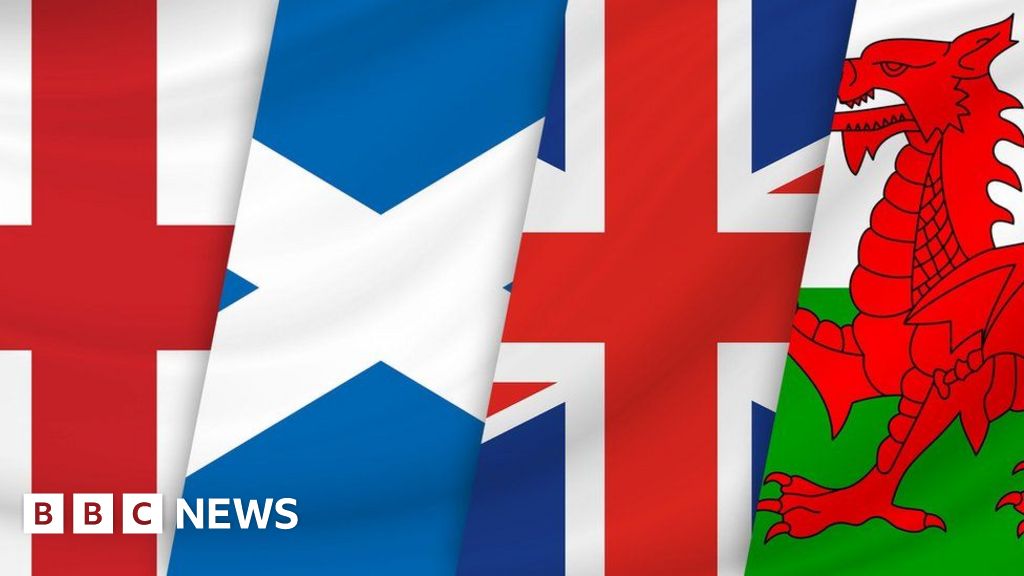

Decades of Devolution: How the UK’s Power-Sharing Experiment Reshaped Governance
Since the 1990s, the United Kingdom has undergone a quiet but profound transformation in how it governs itself. The establishment of devolved governments in Scotland, Wales, and Northern Ireland marked a historic shift away from centralized rule in Westminster, redistributing political power across the nations. Today, this system stands as both a cornerstone of modern British democracy and a source of ongoing debate about the future of the Union.
The Birth of Devolution
The push for devolution gained momentum in the late 20th century, driven by demands for greater regional autonomy. In 1997, referendums in Scotland and Wales paved the way for their own legislatures—the Scottish Parliament and the Senedd (Welsh Parliament)—while the Good Friday Agreement of 1998 restored self-rule to Northern Ireland through the Northern Ireland Assembly. These bodies were granted varying degrees of authority over key areas like education, healthcare, and transportation, while Westminster retained control over defense, foreign policy, and macroeconomic matters.
For Scotland, devolution was a watershed moment. The Scottish Parliament, reconvened in 1999 after nearly 300 years, quickly asserted its influence, introducing policies such as free university tuition and minimum alcohol pricing. Wales, initially granted more limited powers, saw its authority expand over time, including the ability to set income tax rates since 2019. Meanwhile, Northern Ireland’s Assembly has faced repeated suspensions due to political deadlock but remains a critical forum for power-sharing between unionist and nationalist communities.
Challenges and Tensions
Devolution has not been without friction. Disputes over funding, known as the Barnett Formula, have sparked tensions between regional governments and Westminster. Scotland’s push for independence—culminating in a 2014 referendum that saw 55% vote to remain in the UK—has kept constitutional questions alive. The Brexit referendum further strained relations, as Scotland and Northern Ireland voted to remain in the EU while England and Wales backed leaving.
In recent years, the UK government has faced accusations of undermining devolution. Controversial legislation, such as the Internal Market Act, was criticized by Scottish and Welsh leaders for encroaching on their powers. Meanwhile, Northern Ireland’s post-Brexit trade arrangements have reignited debates over its place within the UK.
Why It Matters
The devolution experiment has redefined British identity. For supporters, it represents a pragmatic solution to regional disparities and a bulwark against separatist movements. Critics, however, argue it has created a patchwork of conflicting policies and bureaucratic inefficiencies. The rise of divergent political trajectories—such as Scotland’s left-leaning leadership versus England’s Conservative dominance—has further highlighted the UK’s evolving political landscape.
The Future of the Union
As the UK approaches the 25th anniversary of devolution in 2024, questions about its sustainability persist. Scottish First Minister Humza Yousaf has reiterated calls for a second independence referendum, while Welsh Labour seeks further autonomy. In Northern Ireland, the Democratic Unionist Party’s boycott of the Assembly over Brexit trade rules has left governance in limbo.
Westminster’s approach to these challenges will shape the UK’s future. Some advocate for a federalized system to formalize power-sharing, while others warn against further fragmentation. One thing is clear: devolution has irrevocably altered the British state, and its next chapter will determine whether the Union holds—or fractures under the weight of its own complexity.
For now, the experiment continues, testing the limits of unity in a kingdom increasingly defined by its diversity.
