


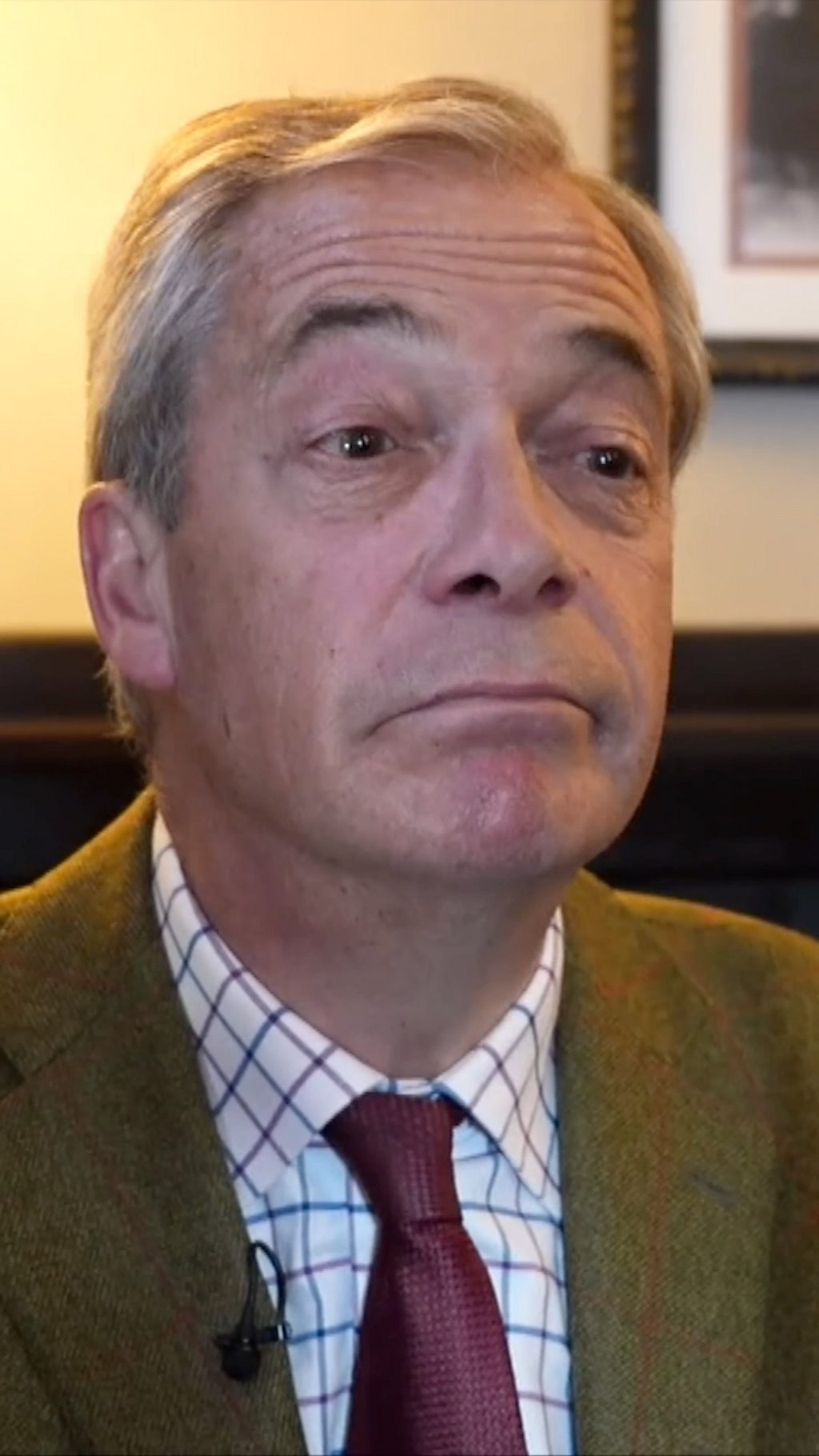

Reform UK Pledges to Cap Council Tax Hikes in Party-Run Local Authorities
Nigel Farage has vowed that Reform UK-controlled councils would impose smaller council tax increases than those led by rival parties, positioning the pledge as a key differentiator ahead of upcoming local elections. The announcement intensifies the party’s push to position itself as a fiscally responsible alternative to the Conservatives and Labour.
Speaking at a campaign event in Essex, Farage criticized what he called “wasteful spending” by local governments across the UK, arguing that Reform UK would prioritize efficiency to curb unnecessary tax burdens on households. “Families are struggling with rising bills, and yet councils keep hiking taxes without delivering better services,” he said. “Under Reform, that stops.”
The Council Tax Promise
Farage’s pledge specifically targets one of the most visible household expenses in Britain. Council tax, which funds local services such as rubbish collection, policing, and social care, has risen steadily in recent years, with average Band D bills increasing by over £100 in many areas since 2022. Reform UK claims it can limit these hikes through cost-cutting measures, though detailed plans remain unspecified.
The promise comes as the party seeks to expand its influence beyond Westminster. While Reform UK has yet to win a parliamentary seat, it has been gaining traction in local elections, capitalizing on voter dissatisfaction with mainstream parties. Analysts suggest that targeting council tax—a direct and recurring expense for voters—could sharpen its appeal in areas where residents feel financially squeezed.
Political Reactions
Opponents have dismissed the pledge as unrealistic. A spokesperson for the Local Government Association, which represents councils across England and Wales, warned that freezing or reducing tax increases often leads to service cuts unless matched by additional central funding. “Councils are already under severe financial pressure,” the spokesperson said. “Promising lower taxes without addressing funding gaps risks harming essential services.”
Labour and Conservative figures have also questioned the feasibility of Reform UK’s proposal. A senior Conservative source accused Farage of “oversimplifying local government finance,” while Labour’s shadow local government secretary argued that the pledge ignored systemic underfunding from central government.
Why It Matters
Council tax has long been a contentious issue in UK politics, with households facing above-inflation rises even as many local authorities struggle to balance budgets. The Institute for Fiscal Studies has noted that council tax is regressive, disproportionately affecting lower-income families. Reform UK’s focus on the issue taps into broader frustrations over living costs, positioning the party as a challenger to the status quo.
The pledge also reflects a strategic shift for Reform UK, which has traditionally focused on national issues like immigration and Brexit. By entering the debate over local governance, the party is attempting to broaden its electoral base ahead of the next general election.
Future Implications
If Reform UK makes gains in May’s local elections, its council tax policy could force rival parties to respond with their own pledges, potentially reshaping the debate over local government finance. However, failure to deliver on the promise could undermine the party’s credibility as a practical alternative.
For now, Farage’s announcement ensures that council tax will remain a focal point in the run-up to the elections. As inflation continues to strain household budgets, voters may increasingly judge parties on their ability to ease the burden—making Reform UK’s bet a high-stakes gamble.
The coming months will reveal whether the pledge resonates beyond the party’s core supporters or falters under scrutiny. Either way, the debate over who can best manage local finances is only just beginning.
