


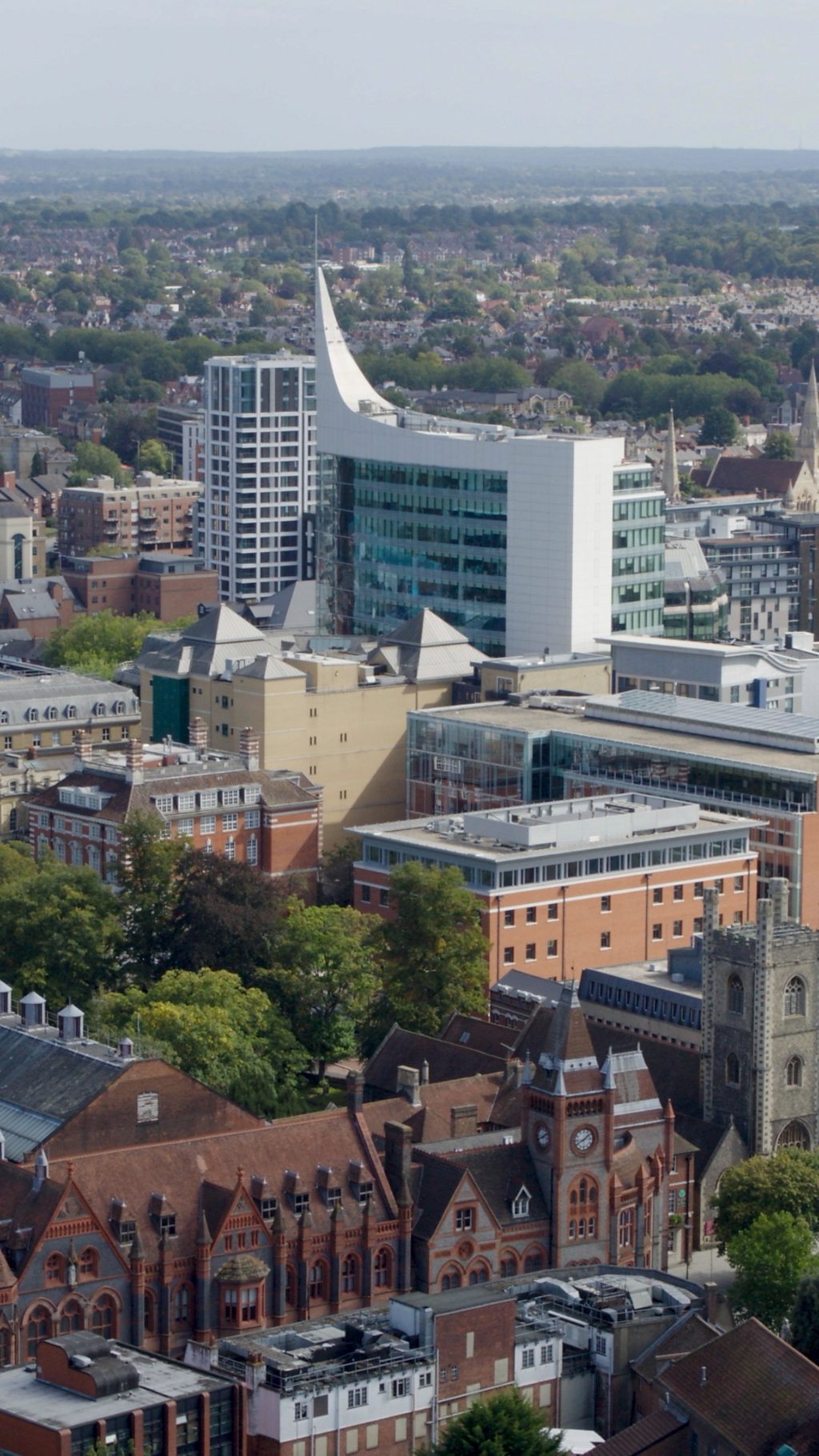

Housing Crisis Takes Center Stage as Reading Voters Head to Polls
READING, UK — As residents of Reading prepare to cast their ballots in Thursday’s local elections, housing has emerged as the defining issue shaping political debates. With skyrocketing rents, a shortage of affordable homes, and growing concerns over homelessness, candidates across party lines are scrambling to present solutions to a crisis that has left many in this bustling Berkshire town struggling to keep a roof over their heads.
The stakes are high. Reading, a key economic hub with strong transport links to London, has seen its population surge in recent years, intensifying pressure on an already strained housing market. Average rents have climbed by nearly 20% since 2020, while waiting lists for social housing have ballooned. For voters, the question is no longer whether housing is a problem—but which party can fix it.
A Town Divided by Affordability
Local business owner Sarah Patel, 34, typifies the frustration felt by many. “I’ve lived here my whole life, but now I’m being priced out,” she says. “Every year, rents go up, wages don’t, and the council just points fingers.” Her sentiment is echoed by renters, first-time buyers, and even long-time homeowners worried about their children’s futures.
The political battleground is clear. The ruling Labour council touts its record of approving new developments, including 1,500 homes in the last two years, but critics argue these projects cater disproportionately to high-end buyers. Meanwhile, the Conservative opposition accuses the council of “failing to enforce affordability clauses” with private developers. The Greens and Liberal Democrats, hoping to capitalize on voter discontent, have pushed for stricter rent controls and faster social housing construction.
The Human Cost
Behind the statistics lie deepening hardships. Homelessness charities report a 30% increase in demand for shelters since 2022, with families now accounting for nearly half of those seeking help. “We’re seeing people who never imagined they’d need our services,” says Mark Hensley of Reading Homeless Support. “Teachers, nurses, retail workers—they’re all being squeezed out.”
The council insists it’s taking action, pointing to a £10 million fund to convert disused buildings into temporary housing. Yet with over 2,000 households on the waiting list for social homes, even supporters admit progress is too slow.
National Policies, Local Pain
The housing crunch in Reading mirrors a wider crisis across the UK, where stagnant wage growth and rising mortgage rates have collided with a chronic undersupply of homes. Analysts say the town’s proximity to London—where prices are even more prohibitive—has exacerbated the problem, as commuters flood in, driving up demand.
While national politicians spar over planning reforms, local leaders are left to manage the fallout. “We need more power to set rent caps and mandate affordable units in new builds,” argues Labour councillor Jane Elliot. “But without funding or legal changes from Westminster, our hands are tied.”
What’s Next?
Thursday’s vote will test whether housing concerns translate into political consequences. Polls suggest Labour remains favored but with a narrower lead, as smaller parties gain traction. A surge in turnout among younger voters—who polls show are most affected by the crisis—could upend expectations.
Beyond the election, the challenge remains daunting. Even if all proposed developments proceed, experts warn Reading won’t meet its housing needs until at least 2030. For residents like Patel, that’s cold comfort. “Promises won’t pay my rent,” she says. “We need action now.”
As the ballots are counted, one thing is certain: whoever wins will face immediate pressure to deliver. The cost of failure—for families, the economy, and the town’s future—is simply too high.
