



Whoop’s Ambitious Pivot: From Elite Athletes to Lifesaving Health Tech
The Rise of a Wearable Powerhouse
For nearly a decade, Whoop has been the go-to wearable for elite athletes—LeBron James, Michael Phelps, Cristiano Ronaldo, and Rory McIlroy among its high-profile devotees. The Boston-based company, founded by Will Ahmed during his senior year at Harvard in 2012, built its reputation on performance optimization, offering athletes real-time insights into recovery, sleep, and heart rate variability. Now, with over 200 countries served and explosive revenue growth, Whoop is shifting gears—from a training aid to a potential lifesaver.
The company’s subscription-based model, priced between $200 and $360 annually, has proven remarkably sticky, with 83% of active users opening the app daily—a figure Ahmed claims is second only to WhatsApp. But as competition intensifies in the wearable health tech space, Whoop is betting big on medical-grade features, including ECG monitoring, atrial fibrillation detection, and blood pressure insights, positioning itself as more than just a fitness tracker—but a continuous health guardian.
From Performance to Prevention: Whoop’s Medical Ambitions
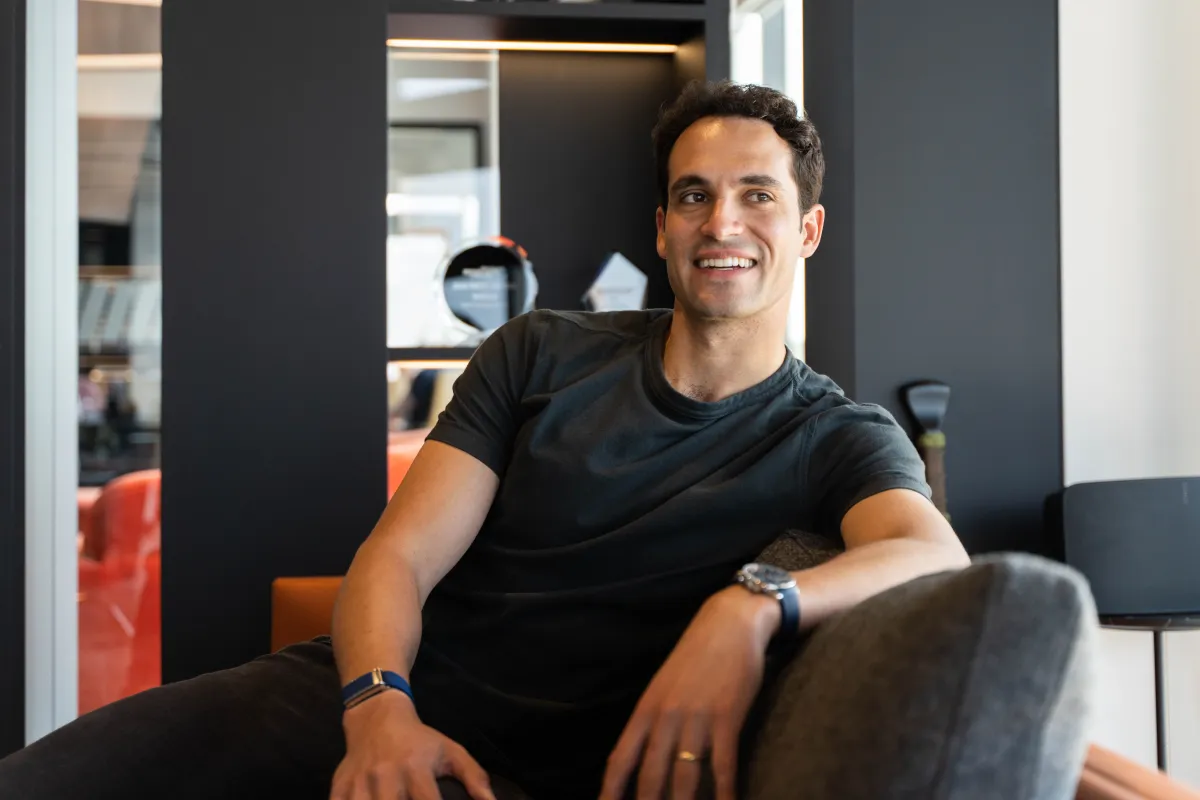
Ahmed, now 36, envisions a future where Whoop doesn’t just help athletes recover faster but predicts medical emergencies before they happen.
“We want Whoop to alert you if you’re about to have a heart attack,” he tells TechCrunch in an interview. “That’s the ultimate goal.”
The company has already rolled out FDA-cleared features, including ECG and atrial fibrillation detection, which flags irregular heart rhythms linked to stroke risk. But its blood pressure “insights” feature—which Whoop claims is a first for wearables—drew scrutiny from the U.S. Food and Drug Administration (FDA) last summer. The agency issued a warning letter, arguing the feature crossed into medical diagnosis rather than wellness tracking. Whoop pushed back, accusing the FDA of “overstepping its authority”, and continued development.
In a bold expansion, Whoop partnered with Quest Diagnostics, allowing users to upload blood test results directly into the app, where clinicians analyze them alongside wearable data. Another feature, Health Span, calculates biological age—a metric that has become Whoop’s most popular tool since its launch in May 2025.
The Screenless Strategy: A Wearable That Disappears
Unlike Apple Watch, Garmin, or Fitbit, Whoop’s device has no screen, no notifications, and no step counter.
“If you have a screen, you’re a watch,” Ahmed explains. “And if you’re a watch, you’re competing with every other watch—because nobody wears two watches.”
Instead, Whoop’s slim, minimalist design allows it to be worn under clothing, tucked into bicep sleeves, sports bras, or waistbands. While most users still wear it visibly as a fashion statement, Whoop’s apparel line—launched in 2021—grew 70% last year, signaling a growing market for discreet health monitoring.
The Battle with Oura: A Rivalry Heating Up
Whoop isn’t alone in its pivot from performance tracking to broad health monitoring. Its biggest competitor, Oura, the Finnish maker of a smart ring, has built a loyal following among high-performing professionals who track their bodies with scientific precision.
Oura’s model differs—users buy the ring outright for ~$350, then pay $70 annually for data access. Retention rates are exceptionally high, with over 80% of users still active after a year—a rarity in an industry where most wearables end up forgotten in drawers.
Both companies are now courting women, their fastest-growing demographic, and both announced blood-testing partnerships within 24 hours of each other last fall—a coincidence neither side would discuss.
Whoop’s Global Expansion and Athlete Influence
Whoop’s user base remains male-dominated, but Ahmed notes the business is now evenly split between the U.S. and international markets, a shift from just a few years ago. The company officially ships to 60 countries, with strong adoption in Europe and Australia.
Its athlete-driven marketing has been key. At the 2026 Australian Open, players like Carlos Alcaraz and Jannik Sinner refused to remove their Whoop bands mid-tournament—despite the International Tennis Federation’s approval. The resulting media frenzy only reinforced Whoop’s organic appeal.
“These athletes aren’t paid to wear it,” Ahmed emphasizes. “They do it because they believe in the data.”
Unlike some competitors, Whoop does not offer equity to celebrity endorsers, relying instead on authentic adoption. Its formal partnerships—with Ferrari, the PGA Tour, and UCI mountain biking—are strategic, exposing the brand to performance-driven audiences.
The Road Ahead: IPO Rumors and Market Positioning
As Whoop expands, speculation grows about an IPO. Rival Oura is reportedly preparing to go public, which could set financial benchmarks for Whoop. The company, which employs 750 people, is in the midst of hiring 600 more, signaling aggressive growth.
Ahmed remains tight-lipped on timing but insists “if we focus on building great technology and growing our business, we’ll be happy when we’re public.”
The Founder’s Journey: Obsession Over Glamour
Ahmed’s path to Whoop began in 2011, when—as a Harvard squash player—he struggled with overtraining and sought a data-driven solution. Reading hundreds of medical papers, he built the foundation for what would become Whoop—his first and only company.
When asked if he’d recommend entrepreneurship, Ahmed is candid:
“Starting a company is, for the right person, the most extraordinary thing you can do in your career,” he says. “But it’s also painful. You need to be more obsessed with the problem than with being a founder.”
For now, Ahmed’s obsession remains clear: transforming Whoop from a fitness tool into a healthcare necessity. Whether it succeeds may depend on regulatory hurdles, competition, and consumer trust—but with millions of users and elite athletes on board, Whoop is betting it can change how the world monitors health.
Only time will tell if it can deliver on its lifesaving promise.
