



SNP’s 2021 Manifesto Goals: Progress Check as New Election Looms
As Scotland’s political parties prepare their election platforms, scrutiny turns to the Scottish National Party’s (SNP) progress on the ambitious goals it set in its 2021 manifesto. With a potential UK general election on the horizon, the SNP’s record—ranging from independence campaigning to public service reforms—faces renewed examination.
Key Promises: Delivered or Deferred?
The SNP’s 2021 manifesto, released ahead of the Holyrood elections, outlined a vision centered on independence, economic recovery, and social justice. Three years later, several pledges remain unmet, while others have seen partial progress.
1. Independence Push Stalls
The SNP’s central promise—advancing Scottish independence—has encountered legal and political roadblocks. The UK Supreme Court ruled in 2022 that Scotland cannot hold a second referendum without Westminster’s approval, derailing the party’s plan for a 2023 vote. First Minister Humza Yousaf has since shifted tactics, framing the next UK election as a “de facto referendum” on independence, though critics argue the strategy lacks clarity.
2. NHS and Social Care Reforms
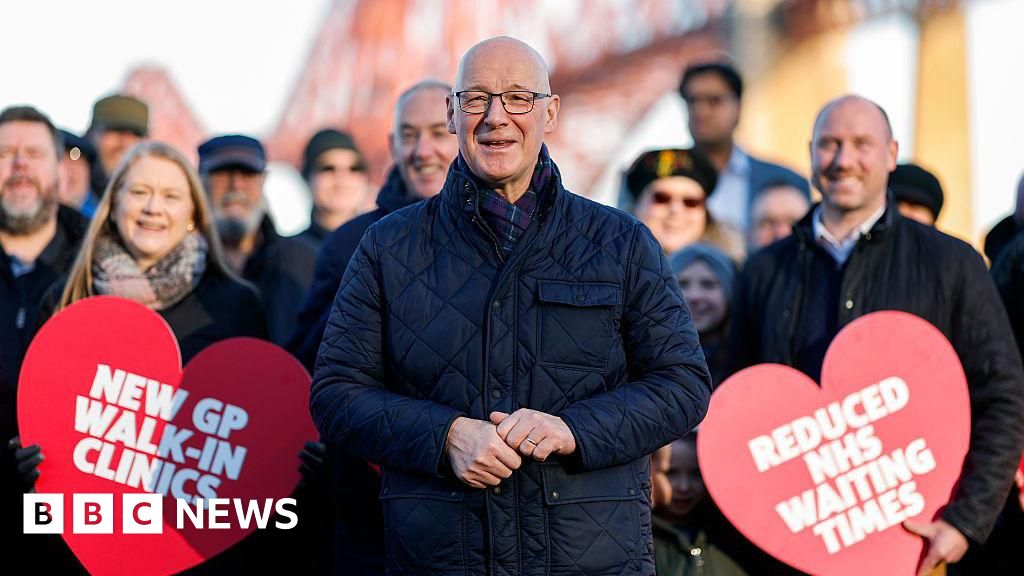
The manifesto pledged to increase NHS funding and reduce waiting times, but Scotland’s healthcare system remains under strain. While the Scottish Government has raised health spending, A&E wait times and hospital backlogs persist, mirroring challenges across the UK. A proposed National Care Service, aimed at overhauling social care, has been delayed amid cost concerns and opposition from councils.
3. Climate Commitments
The SNP set aggressive net-zero targets, including a 75% emissions reduction by 2030. Progress has been mixed: Scotland met its 2020 goal but now risks missing the 2030 target, according to the Climate Change Committee. Controversy over North Sea oil licenses and slow progress on home insulation programs have drawn criticism from environmental groups.
4. Education and Child Poverty
The party promised to close the educational attainment gap and tackle child poverty. While free school meals have been expanded for younger pupils, child poverty rates remain stubbornly high, with 24% of Scottish children living in relative poverty. Opponents argue more radical welfare reforms are needed.
Political Reactions
Opposition parties have seized on the gaps. Scottish Labour leader Anas Sarwar accused the SNP of “broken promises,” while Scottish Conservative chairman Craig Hoy labeled the independence push a “distraction from governing.” The SNP counters that Westminster austerity and Brexit fallout have constrained its ambitions.
Why It Matters
The SNP’s record will shape its campaign in the upcoming UK election, where it aims to retain its dominance in Scottish seats. With Labour gaining ground in polls, the party must convince voters it can deliver both short-term improvements and long-term constitutional change.
What’s Next?
The SNP’s next manifesto is expected to double down on independence while addressing voter concerns over living costs and public services. However, with limited devolved powers and a skeptical Westminster, the party faces an uphill battle to turn pledges into results.
As Scotland’s political landscape evolves, the SNP’s ability to reconcile its independence ambitions with day-to-day governance will determine its staying power—and Scotland’s future.
