



How Artificial Intelligence is Revolutionizing Modern Warfare: A Deep Dive into the Future of Conflict
In an era defined by rapid technological advancements, artificial intelligence (AI) is poised to transform virtually every aspect of human life, and warfare is no exception. From autonomous drones to predictive analytics, AI is reshaping military strategies, decision-making processes, and the very nature of conflict. As nations race to harness the power of AI, experts warn that the integration of this technology into warfare could redefine global security, ethics, and the balance of power. This report explores how AI is revolutionizing modern warfare, its potential implications, and the challenges it poses to international stability.
The Rise of AI in Military Strategy
Artificial intelligence has emerged as a game-changer in military operations, offering unprecedented capabilities in data processing, decision-making, and automation. Unlike traditional warfare, which relies heavily on human judgment and physical resources, AI-powered systems can analyze vast amounts of data in real time, identify patterns, and execute decisions with unparalleled speed and precision. For example, AI algorithms can process satellite imagery, sensor data, and communications intercepts to detect enemy movements or predict potential threats.
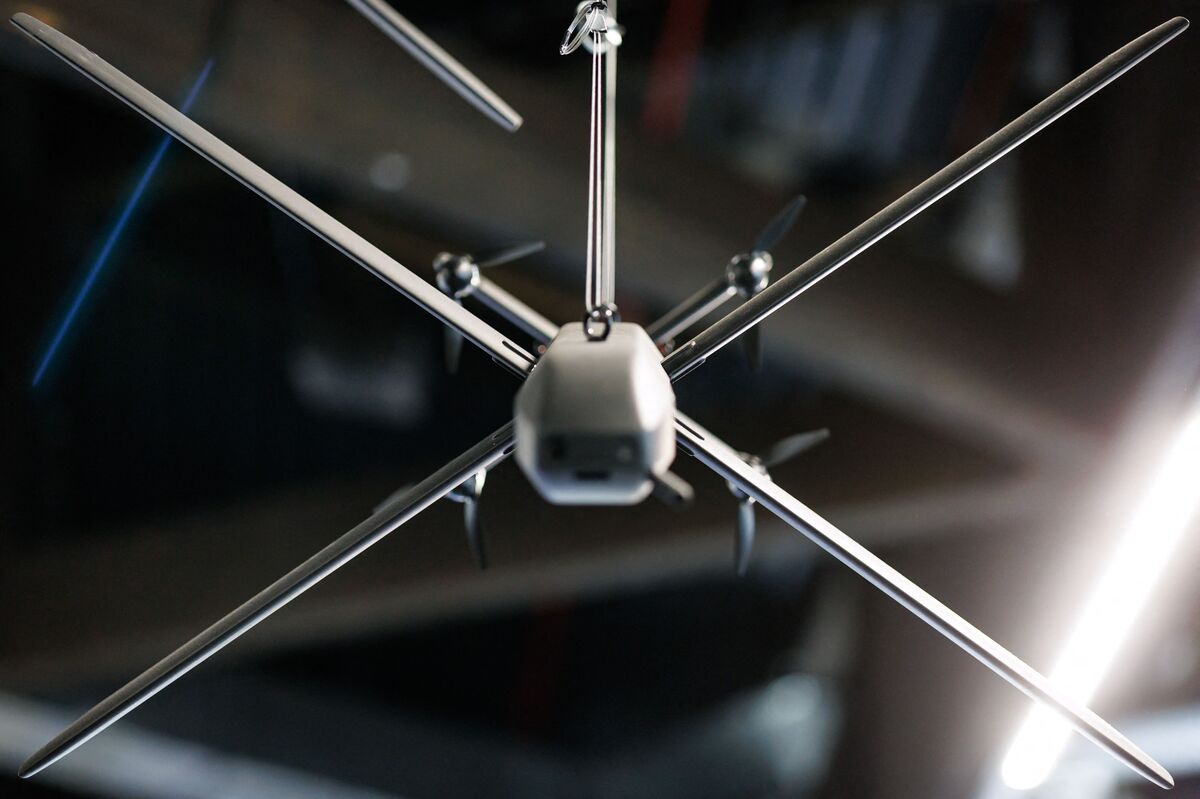
One of the most significant applications of AI in warfare is the development of autonomous weapons systems. These systems, ranging from swarms of drones to unmanned ground vehicles, can operate independently or with minimal human intervention. In recent years, countries like the United States, China, and Russia have invested heavily in AI-driven military technologies, aiming to gain a strategic edge in future conflicts. For instance, the U.S. Department of Defense has launched initiatives such as Project Maven, which uses AI to analyze drone footage and enhance situational awareness on the battlefield.
AI-Powered Decision-Making: A Double-Edged Sword
While AI offers significant advantages in terms of speed and efficiency, its integration into military decision-making raises critical ethical and strategic concerns. Proponents argue that AI can reduce human error, minimize casualties, and enhance mission success. For example, AI systems can optimize logistics, predict equipment failures, and allocate resources more effectively, potentially saving lives and reducing costs.
However, critics warn that over-reliance on AI could lead to unintended consequences, including the escalation of conflicts and the erosion of human accountability. Autonomous weapons, in particular, have sparked intense debate, with some experts calling for a global ban on “killer robots” due to concerns about indiscriminate targeting and the potential for misuse. The lack of clear international regulations governing AI in warfare further complicates the issue, leaving room for ambiguity and abuse.
The Geopolitical Race for AI Dominance
As AI becomes increasingly central to military capabilities, it is also fueling a new arms race among global powers. The United States and China, in particular, have emerged as frontrunners in the development of AI-driven military technologies. China’s ambitious “Made in China 2025” plan emphasizes AI as a critical component of national security, while the U.S. has prioritized AI initiatives through its National Security Commission on Artificial Intelligence. Russia, too, has invested in AI-powered systems, including autonomous tanks and hypersonic missiles.
This competition is not limited to major powers. Smaller nations and non-state actors are also exploring AI technologies, raising concerns about the proliferation of advanced weapons and the potential for destabilization. The democratization of AI tools, coupled with the availability of open-source software, has lowered the barriers to entry, enabling even resource-constrained actors to develop sophisticated capabilities.
Ethical Dilemmas and Humanitarian Concerns
The integration of AI into warfare raises profound ethical questions that extend beyond strategic considerations. One of the most pressing issues is the potential for AI systems to violate international humanitarian law, particularly the principles of distinction and proportionality. Autonomous weapons, for instance, may struggle to differentiate between combatants and civilians in complex environments, increasing the risk of collateral damage.
Another concern is the psychological impact of AI-driven warfare on soldiers and civilians alike. The use of AI in targeting and surveillance could dehumanize conflict, reducing war to a series of algorithmic calculations. Additionally, the reliance on AI systems may lead to a loss of critical thinking and moral judgment among military personnel, as machines increasingly take on roles traditionally reserved for humans.
The Role of Diplomacy and Regulation
Given the far-reaching implications of AI in warfare, there is an urgent need for international cooperation and regulation. Several organizations, including the United Nations and the International Committee of the Red Cross, have called for the establishment of global norms and treaties to govern the use of AI in military contexts. However, progress has been slow, as countries grapple with competing interests and differing perspectives on the role of AI in national security.
Some experts argue that a multilateral approach, similar to the Treaty on the Non-Proliferation of Nuclear Weapons, could provide a framework for regulating AI in warfare. Others advocate for the development of ethical guidelines and accountability mechanisms to ensure that AI systems are used responsibly and transparently. Ultimately, the challenge lies in balancing the strategic advantages of AI with the need to uphold humanitarian principles and prevent unintended consequences.
The Future of Warfare: A Transformed Battlefield
As AI continues to evolve, its impact on warfare will only deepen, reshaping the battlefield in ways that are currently difficult to predict. Emerging technologies such as quantum computing, cyber capabilities, and AI-driven cyber-physical systems are likely to further blur the lines between physical and digital warfare. In this rapidly changing landscape, military leaders will need to adapt to new paradigms of conflict, where speed, agility, and technological superiority are paramount.
At the same time, the rise of AI in warfare underscores the importance of maintaining a human-centric approach to security. While AI can enhance efficiency and precision, it cannot replace the moral judgment, empathy, and creativity that are essential to navigating the complexities of conflict. As the world enters a new era of warfare, the challenge will be to harness the potential of AI while safeguarding the values that define humanity.
Conclusion: Navigating the AI-Driven Future
The integration of artificial intelligence into warfare represents both a profound opportunity and a significant risk. On one hand, AI offers unprecedented capabilities that can enhance military effectiveness, reduce casualties, and improve decision-making. On the other hand, it raises ethical, strategic, and humanitarian concerns that cannot be ignored. As nations continue to invest in AI-driven military technologies, the need for international cooperation, regulation, and ethical oversight has never been greater. In the end, the future of warfare will be shaped not only by technological innovation but also by the choices we make as a global community. The stakes are high, and the path forward is fraught with uncertainty. Yet, one thing is clear: AI will reshape warfare, and the world must prepare for the challenges and opportunities that lie ahead.
