


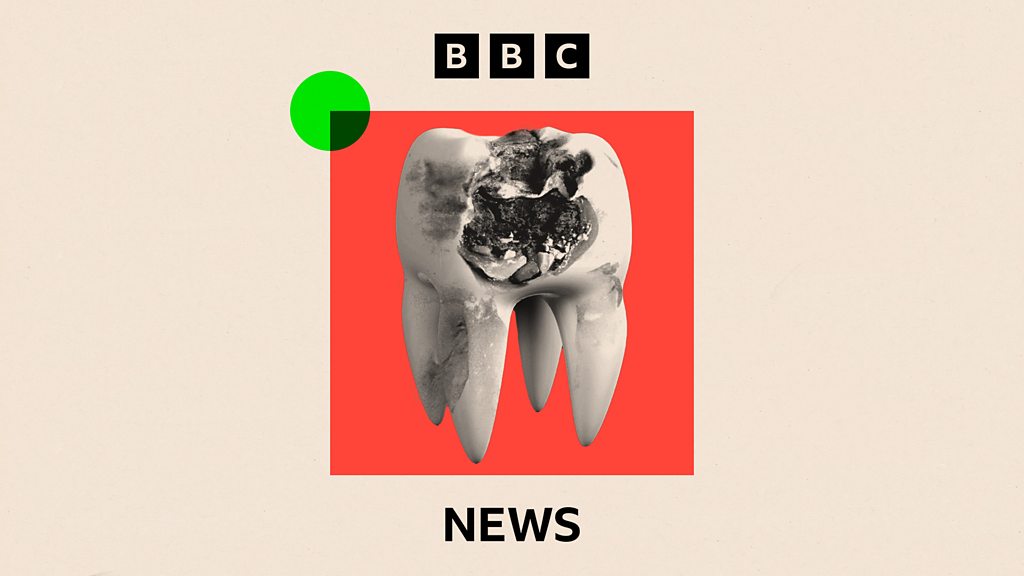

NHS Dentistry Crisis: Can Labour’s Plan Fix a Broken System?
For over a year, millions of patients across the UK have struggled to access basic dental care as the National Health Service (NHS) faces a deepening crisis in dentistry. With long waiting lists, clinic closures, and a shortage of practitioners, many are left with no choice but to forgo treatment or turn to costly private care. Now, the Labour Party has unveiled a proposal to overhaul the system—but experts question whether it can address the structural failures at the root of the problem.
A System in Decay
The NHS dental service, once a cornerstone of universal healthcare, has been deteriorating for years. Reports indicate that nearly 90% of practices in England are no longer accepting new adult NHS patients, leaving entire regions without accessible care. Rural areas and low-income communities are hit hardest, with some patients resorting to DIY treatments or emergency hospital visits for preventable conditions.
The crisis stems from a combination of underfunding, an exodus of dentists to private practice, and a contract system that critics say incentivizes rushed, low-quality care. Under the current model, dentists are paid per “unit of dental activity,” which often prioritizes volume over patient outcomes. Many practitioners argue the system is unsustainable, with some leaving the NHS entirely.
Labour’s Proposed Fix
Labour’s plan aims to reverse the decline by reforming dentist contracts, increasing funding, and expanding training programs to address workforce shortages. Key proposals include:
- Replacing the current payment system with one that rewards preventive care and long-term patient relationships.
- Boosting recruitment by offering incentives for dentists to work in underserved areas.
- Expanding emergency dental services to reduce pressure on hospitals.
The party has also pledged to reopen closed NHS dental practices and improve outreach programs for vulnerable populations. However, critics warn that without significant new investment and systemic changes, the proposals may fall short.
Challenges Ahead
Even if Labour’s plan is implemented, major hurdles remain. The British Dental Association (BDA) has long argued that real reform requires more than tweaks to contracts—it demands a fundamental shift in how dental care is funded and delivered.
Another obstacle is workforce retention. Many dentists cite burnout and financial pressures as reasons for leaving the NHS, and reversing this trend will require competitive pay and better working conditions. Additionally, years of neglect have eroded public trust, meaning any recovery will take time.
Why It Matters
The collapse of NHS dentistry isn’t just a healthcare issue—it’s a social and economic one. Poor oral health is linked to broader medical conditions, including heart disease and diabetes, driving up long-term NHS costs. It also exacerbates inequality, as those who can’t afford private care suffer the most.
If Labour’s plan succeeds, it could mark a turning point in restoring accessible dental care. If it fails, the consequences will ripple beyond dentistry, further straining an already overwhelmed NHS.
What Comes Next?
The government has yet to respond to Labour’s proposal in detail, but pressure is mounting for action. With a general election looming, dental care could become a key battleground issue. For now, patients wait—often in pain—to see if relief is on the way.
The question remains: Can any plan undo years of neglect, or is NHS dentistry beyond repair? The answer will shape the future of healthcare in Britain.
