



India Braces for Economic Fallout as Iran-Israel Conflict Threatens Growth and Fiscal Stability
By [Your Name], International Business Correspondent
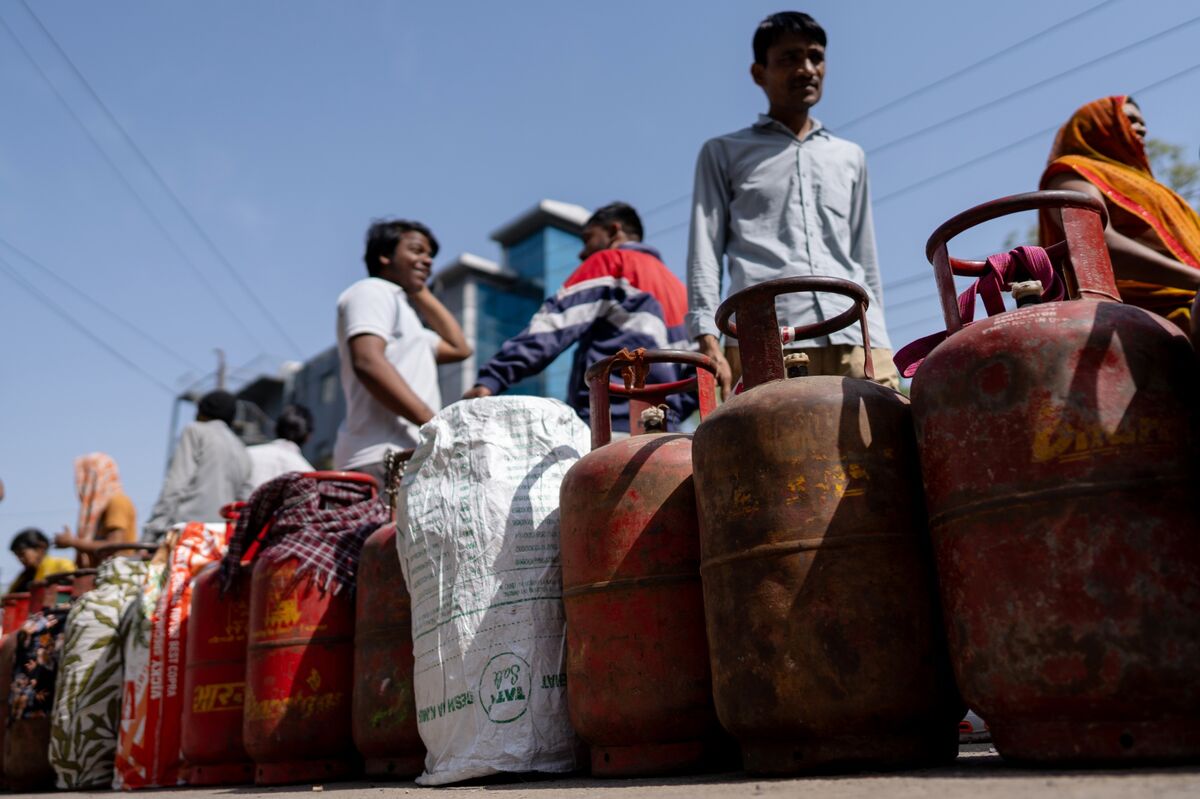
New Delhi, India – As tensions between Iran and Israel escalate into open conflict, India finds itself navigating treacherous economic waters, with analysts warning of potential growth slowdowns, inflationary pressures, and a widening fiscal deficit. The world’s fifth-largest economy, heavily dependent on Middle Eastern energy supplies and global shipping routes, now faces a perfect storm of disrupted trade flows, volatile oil prices, and strained supply chains—threatening to derail its post-pandemic recovery and ambitious development agenda.
A Delicate Balancing Act
India has long pursued a delicate diplomatic balancing act in the Middle East, maintaining strategic ties with both Israel and Iran while securing critical energy imports from the region. But with the outbreak of direct hostilities—marked by Iran’s unprecedented drone and missile strikes on Israel in April 2024—New Delhi’s economic planners are scrambling to mitigate the fallout.
“The immediate concern is oil,” said Priyanka Kishore, head of South Asia macroeconomics at Oxford Economics. “India imports over 80% of its crude needs, and any sustained spike in prices will hit growth, weaken the rupee, and force the government to either absorb higher costs or pass them onto consumers—both of which carry political and economic risks.”
Brent crude prices have already surged past $90 a barrel since the conflict began, with analysts warning of a potential return to triple-digit figures if the war expands. For India, every $10 increase in oil prices adds roughly 0.5% to its import bill and shaves off 0.2-0.3% from GDP growth, according to estimates from Nomura.
Shipping Disruptions and Supply Chain Strains
Beyond energy, the conflict has severely disrupted global shipping routes, particularly through the Strait of Hormuz—a vital chokepoint for 20% of the world’s oil shipments. Attacks on commercial vessels in the Red Sea by Houthi rebels, backed by Iran, have already forced major carriers to reroute shipments around Africa, adding weeks to delivery times and driving up freight costs.
Indian exporters, particularly in textiles, chemicals, and electronics, are feeling the pinch. “Our shipments to Europe are now taking 25-30 days instead of 15, and freight costs have tripled,” said Rakesh Mehra, a Mumbai-based textile manufacturer. “If this continues, we’ll either have to raise prices or lose customers.”
The government has urged exporters to explore alternative routes, but experts say the damage may already be done. The Reserve Bank of India (RBI) has flagged trade disruptions as a key downside risk, with the current account deficit likely to widen if export revenues decline while import bills rise.
Fiscal Pressures Mount
Prime Minister Narendra Modi’s government, already grappling with high food inflation and a tight election-year budget, now faces an unenviable choice: absorb higher fuel costs to shield consumers or risk stoking inflation further by passing them on.
India’s fiscal deficit—projected at 5.1% of GDP for FY2025—could balloon if oil subsidies or welfare spending increase. “A prolonged conflict would force New Delhi to either cut capital expenditure or borrow more, both of which could hurt long-term growth,” warned Rajiv Biswas, APAC chief economist at S&P Global Market Intelligence.
The RBI, which had been expected to cut interest rates later this year, may now delay monetary easing to combat imported inflation. “The last thing India needs right now is stagflation—slowing growth coupled with rising prices,” said Radhika Rao, senior economist at DBS Bank.
Strategic Implications and Diplomatic Tightrope
India’s economic vulnerabilities are compounded by its diplomatic tightrope. While it has strengthened defense and technology ties with Israel, it remains reliant on Iranian oil—despite U.S. sanctions—and maintains close relations with Gulf Arab states, which supply millions of Indian expatriate workers.
Foreign Minister S. Jaishankar has called for de-escalation, but New Delhi’s ability to influence the conflict is limited. “India’s priority is ensuring energy security and protecting its diaspora,” said Harsh Pant, a foreign policy expert at the Observer Research Foundation. “But in a region as volatile as the Middle East, even neutrality has its costs.”
Long-Term Risks and Silver Linings
While the short-term outlook appears grim, some analysts see potential opportunities. India could accelerate its shift toward renewable energy and domestic oil exploration, reducing reliance on Middle Eastern crude. The crisis may also strengthen New Delhi’s push for alternative trade corridors, such as the India-Middle East-Europe Economic Corridor (IMEC), a U.S.-backed initiative aimed at bypassing volatile regions.
Yet for now, businesses and policymakers remain in wait-and-watch mode. “The longer this conflict drags on, the harder it will be to contain the economic fallout,” said Kishore. “India’s growth story is resilient, but no economy is immune to global shocks of this magnitude.”
As the world watches the Middle East with bated breath, India—along with other emerging markets—faces a critical test of its ability to weather yet another geopolitical storm. The stakes could hardly be higher.
