


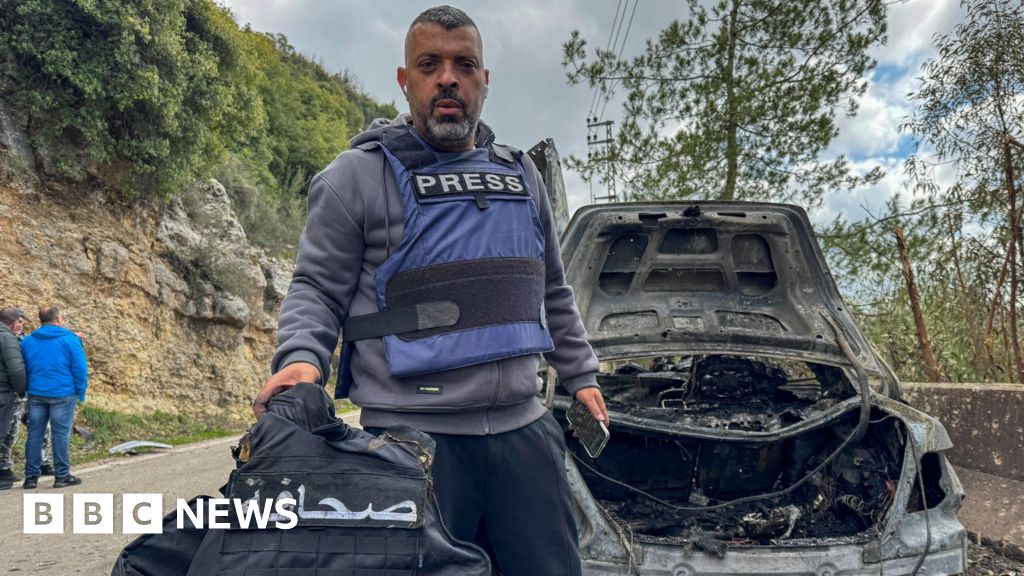

Hezbollah Media Official Killed in Israeli Strike: Escalation Fears Grow Along Lebanon-Israel Border
A Dangerous Escalation in the Middle East
The killing of a senior Hezbollah-linked media official in an Israeli airstrike has reignited fears of a full-scale war between Israel and Lebanon, threatening to plunge an already volatile region into deeper chaos. Ali Shoeib, a prominent figure associated with Hezbollah’s Al Manar TV, was confirmed dead by Israeli military officials, marking a significant escalation in cross-border hostilities. The strike comes amid near-daily exchanges of fire between Israel and Hezbollah, raising alarms among global leaders who fear a wider conflict could destabilize the Middle East and disrupt fragile international security.
Who Was Ali Shoeib?
Ali Shoeib was not just a journalist but a key figure in Hezbollah’s media apparatus, working for Al Manar TV—the militant group’s official broadcasting channel, designated a terrorist organization by several Western nations. His role blurred the lines between propaganda and combat support, making him a high-value target for Israeli forces. While Israel has not provided detailed operational specifics, the strike underscores its strategy of degrading Hezbollah’s infrastructure, including its media and communications networks.
The Broader Conflict: Israel vs. Hezbollah
Since the October 7 Hamas attacks, tensions between Israel and Hezbollah have reached their highest point in years. Hezbollah, backed by Iran, has launched rockets, drones, and anti-tank missiles into northern Israel almost daily, displacing tens of thousands of civilians on both sides of the border. Israel has responded with airstrikes targeting Hezbollah operatives and weapons depots deep inside Lebanon.
The killing of Shoeib signals Israel’s willingness to expand its targets beyond military personnel, striking at the heart of Hezbollah’s influence operations. Analysts warn that such moves risk provoking a more aggressive response from the Iran-backed group, which boasts a formidable arsenal of over 150,000 rockets and a battle-hardened militia.
Global Implications: A Regional War on the Horizon?
The Middle East is already a tinderbox. The Israel-Hamas war in Gaza has spilled over into the Red Sea, where Houthi rebels are attacking shipping lanes, and into Iraq and Syria, where Iranian proxies have targeted U.S. bases. A full-scale Israel-Hezbollah war could draw in Iran, the U.S., and other regional players, with catastrophic humanitarian and economic consequences.
European and U.S. officials have repeatedly warned against further escalation, fearing a repeat of the 2006 Lebanon War, which killed over 1,000 people and displaced a million more. The U.N. has called for restraint, but diplomatic efforts remain fragile. Meanwhile, global markets are watching closely—any major conflict could spike oil prices and disrupt supply chains still recovering from pandemic-era shocks.
Why This Strike Matters
- Media as a Battleground: By targeting a media figure, Israel is sending a clear message—Hezbollah’s propaganda machine is as much a threat as its rockets. This raises ethical questions about the militarization of information warfare.
- Proxy War Dynamics: The strike highlights Iran’s expanding influence via groups like Hezbollah, complicating U.S. and Israeli efforts to contain Tehran’s regional ambitions.
- Civilian Toll: With over 150,000 Israelis and Lebanese displaced, the human cost is mounting. A broader war would overwhelm hospitals, strain aid agencies, and create a new refugee crisis.
What Comes Next?
Diplomatic channels are strained, but not yet broken. France has proposed a roadmap to de-escalate tensions, while the U.S. has deployed envoys to prevent a wider war. However, with hardliners on both sides pushing for decisive action, the risk of miscalculation is high.
Hezbollah has vowed retaliation, though the scale remains unclear. Israel, meanwhile, has signaled it will continue preemptive strikes to keep Hezbollah at bay. The coming days will test whether cooler heads can prevail—or if the region is hurtling toward another devastating conflict.
A Fragile Line Between Deterrence and Disaster
The assassination of Ali Shoeib is more than another casualty in a long-running shadow war—it is a potential tipping point. As global powers scramble to prevent an all-out conflict, the world watches nervously, aware that the next strike could be the one that tips the Middle East into chaos. For now, the border burns, diplomats plead for restraint, and civilians brace for the worst. In a region where history repeats itself with tragic regularity, the only certainty is that the stakes have never been higher.
