



Iran Faces Power Outages Amid Escalating Regional Tensions
Tehran, Iran – January 29, 2024
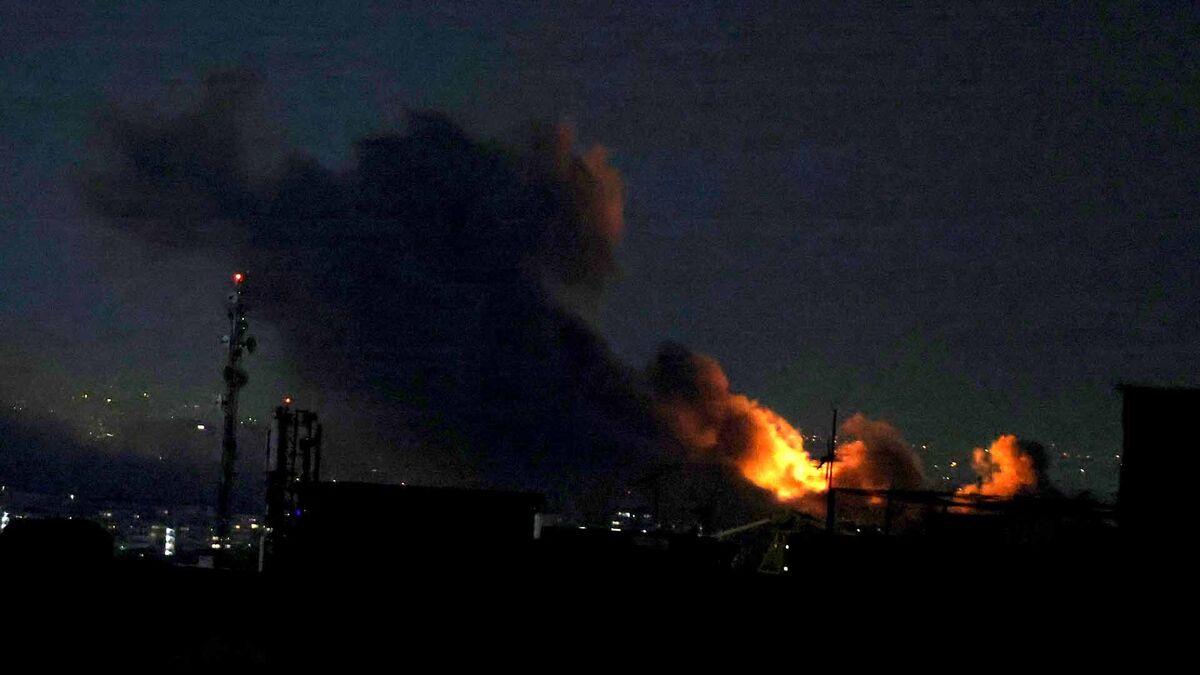
Parts of Iran’s capital plunged into darkness on Sunday following apparent missile strikes, as regional tensions reached a boiling point between Tehran, its proxy forces, and U.S. allies. The blackouts coincided with a surge in military activity across the Middle East, including drone attacks on American bases and the deployment of thousands of additional U.S. troops to the region. The incident underscores the growing volatility of a conflict that risks spiraling into a broader confrontation.
Power Grid Hit Amidst Broader Strikes
Residents in Tehran reported sudden electricity failures late Sunday, with officials scrambling to restore power amid speculation that the outages were linked to external strikes. While Iranian state media stopped short of directly attributing the blackouts to an attack, regional analysts and intelligence sources suggest the power grid may have been damaged during an exchange of missile fire.
The incident occurred against a backdrop of intensifying cross-border hostilities. Over the weekend, Iranian-backed militias launched drone strikes targeting U.S. positions in Iraq and Syria, while Yemen’s Houthi rebels—another Tehran-aligned group—continued their assaults on commercial shipping in the Red Sea. In response, the Pentagon has accelerated the deployment of additional warships and troops to safeguard strategic waterways and allied interests.
A Proxy War Escalates
Iran’s network of regional proxies has become increasingly assertive, raising fears of a direct clash between Tehran and Western powers. The Houthis, who receive arms and training from Iran, have disrupted global trade by attacking vessels near the Bab el-Mandeb Strait, prompting retaliatory airstrikes from the U.S. and UK. Meanwhile, Iraqi militias have stepped up their harassment of American forces, firing rockets at bases housing U.S. personnel.
“The Middle East is a tinderbox right now,” said Dr. Amina Farooq, a security analyst at the International Institute for Strategic Studies. “Every strike and counterstrike brings us closer to a tipping point where miscalculation could lead to full-blown war.”
U.S. Reinforcements Signal Growing Concerns
Washington’s decision to dispatch more troops and naval assets underscores the gravity of the situation. The USS Dwight D. Eisenhower carrier strike group has been repositioned to the Red Sea, while the Pentagon confirmed the arrival of 3,000 additional soldiers to reinforce bases in Kuwait and Jordan. Defense Secretary Lloyd Austin emphasized that the moves are defensive but warned that further provocations would be met with “overwhelming force.”
The Biden administration faces mounting pressure to deter Iran without triggering a wider conflict—a delicate balancing act complicated by election-year politics and Israel’s ongoing war in Gaza. Tehran, meanwhile, appears emboldened by its proxies’ ability to exert pressure across multiple fronts.
Economic and Humanitarian Fallout
Beyond the immediate military implications, the crisis threatens to deepen economic instability. Global oil prices have climbed amid fears of supply disruptions, while shipping companies are diverting vessels away from the Red Sea, adding weeks to delivery times and inflating costs. Inside Iran, residents grapple with sporadic power cuts—a symptom of both potential sabotage and the country’s strained infrastructure after years of sanctions.
“The people are caught in the middle,” said Rana Hosseini, a Tehran-based journalist. “Electricity is just one more uncertainty in daily life, alongside inflation and the threat of war.”
Diplomatic Efforts Stalled
Efforts to de-escalate tensions have so far yielded little progress. Backchannel talks between U.S. and Iranian officials reportedly collapsed last week, and the United Nations Security Council remains deadlocked over potential interventions. Regional powers, including Saudi Arabia and Qatar, have called for restraint, but their influence over Tehran’s decision-making appears limited.
With no clear off-ramp in sight, analysts warn that the cycle of retaliation could worsen. “The longer this goes on, the harder it becomes to walk back,” said Farooq. “Neither side wants war, but neither can afford to back down.”
Conclusion: A Region on Edge
As Tehran investigates the cause of its power disruptions and Washington bolsters its military footprint, the Middle East braces for further volatility. For now, the shadow war between Iran and its adversaries remains just that—a conflict fought through proxies and covert strikes. But with every explosion, blackout, and troop movement, the risk of a catastrophic miscalculation grows. The world watches, hoping diplomacy can prevail before it’s too late.
—Reporting by [Your Name]; additional analysis from regional security experts.
