



Global Banks Face Pushback Over $7.2 Billion Debt Package for Sealed Air Takeover
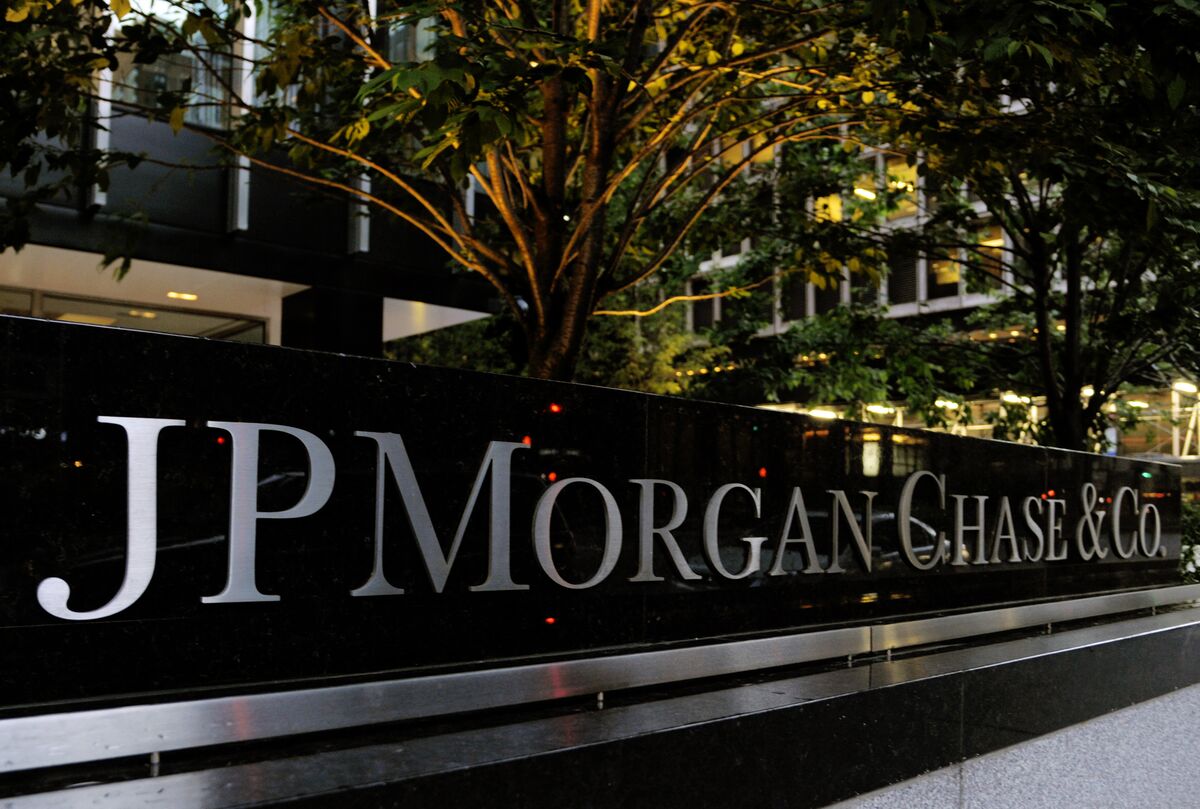
In a high-stakes financial maneuver emblematic of today’s challenging credit markets, a consortium of banks led by JPMorgan Chase & Co. is encountering resistance over the terms of a $7.2 billion debt deal aimed at funding Clayton, Dubilier & Rice’s (CD&R) acquisition of Sealed Air Corp., the packaging giant behind the iconic Bubble Wrap. The deal, one of the largest leveraged buyouts of the year, has sparked concerns among lenders about its structure and pricing, casting a spotlight on the broader pressures facing the global leveraged finance market.
According to sources familiar with the negotiations, the banks—which also include Bank of America, Wells Fargo, and Goldman Sachs—are grappling with investor pushback over the proposed financing terms. The debt package, which includes both leveraged loans and high-yield bonds, is reportedly seen as overly ambitious in the current macroeconomic climate, where rising interest rates and economic uncertainty have tightened credit conditions worldwide.
The Deal and Its Significance
Sealed Air Corp., headquartered in Charlotte, North Carolina, is a global leader in protective packaging solutions, with its Bubble Wrap brand becoming synonymous with cushioning and protection since its invention in 1957. The company’s products are ubiquitous in industries ranging from e-commerce to logistics, making it a highly strategic acquisition target. Private equity firm Clayton, Dubilier & Rice, known for its focus on industrial and manufacturing investments, signed an agreement in August to acquire Sealed Air for approximately $11.7 billion, including debt.
The acquisition is CD&R’s latest bet on the packaging sector, following its successful investments in companies like Veritiv and Univar Solutions. However, securing financing for such a large-scale transaction has proven to be a formidable challenge, especially in a market where lenders are increasingly wary of risk.
The Financing Hurdles
The proposed $7.2 billion debt package includes a mix of leveraged loans and high-yield bonds, structured to provide CD&R with the capital needed to finalize the acquisition. However, sources indicate that lenders are dissatisfied with the terms, particularly the pricing of the debt. In the current environment, where borrowing costs have risen sharply due to central bank rate hikes, investors are demanding higher yields to compensate for the increased risk.
Additionally, the sheer size of the deal has raised eyebrows. With $7.2 billion on the line, it represents one of the largest leveraged buyouts of 2023, testing the appetite of institutional investors who are already grappling with a wave of corporate defaults and downgrades. The negotiations highlight the growing tension between private equity firms seeking cheap capital and lenders navigating a more cautious market.
Broader Market Context
The pushback against the Sealed Air financing package underscores the challenges facing the global leveraged finance market, which has been under pressure since the Federal Reserve and other central banks began aggressively raising interest rates in 2022. Higher rates have increased borrowing costs for companies while making debt investments less attractive to buyers.
According to data from S&P Global Market Intelligence, leveraged loan issuance has declined significantly this year, with many deals facing delays or cancellations due to unfavorable market conditions. The situation has been compounded by macroeconomic uncertainties, including fears of a global recession, geopolitical tensions, and volatile commodity prices.
The Sealed Air deal is particularly emblematic of these trends, as lenders weigh the risks of supporting a large acquisition in a sector—packaging—that is often seen as stable but not immune to economic headwinds. While the packaging industry has benefited from the boom in e-commerce during the pandemic, concerns about slowing consumer spending and rising operational costs have tempered optimism.
Potential Implications
If the banks are unable to resolve the financing impasse, the deal could face delays or even collapse, marking a rare setback for Clayton, Dubilier & Rice, which has a reputation for completing complex transactions. However, industry analysts caution against dismissing the possibility of a compromise, as both sides have a vested interest in seeing the deal through.
One potential outcome is that the banks may agree to sweeten the terms for investors, offering higher yields or additional safeguards to make the debt more attractive. Alternatively, CD&R could adjust the deal structure, potentially reducing the amount of debt or seeking alternative sources of financing.
Regardless of the outcome, the situation serves as a stark reminder of the shifting dynamics in the leveraged finance market, where lenders and borrowers alike are navigating a new era of tighter credit and higher costs.
Looking Ahead
The Sealed Air acquisition is a litmus test for the broader private equity industry, which has relied heavily on cheap debt to fuel its deal-making spree over the past decade. As the cost of capital rises and lenders become more selective, firms like CD&R may need to rethink their strategies, focusing on smaller deals or targeting sectors with more resilient cash flows.
For now, all eyes are on JPMorgan Chase and its consortium as they work to finalize the financing package. The outcome of this high-profile deal will likely set a precedent for future leveraged buyouts, shaping the trajectory of the private equity and leveraged finance markets in the months to come.
As the negotiations continue, one thing is clear: the days of easy credit are over, and the global financial landscape is entering a new era of complexity and caution. Whether this deal succeeds or falters, its legacy will reverberate far beyond the world of Bubble Wrap.
