



The Indian Rupee’s Slide Continues: A Perfect Storm of Global and Domestic Pressures
The Indian rupee, Asia’s worst-performing currency this year, is facing mounting pressures that threaten to push it further into record-low territory, despite efforts by authorities to curb speculative trading. As global economic headwinds intensify and domestic fiscal challenges persist, analysts warn that the rupee’s downward trajectory may be difficult to reverse in the near term. The currency has already depreciated by over 10% against the U.S. dollar in 2023, marking one of its steepest annual declines in over a decade. This downward spiral has ignited concerns among policymakers, investors, and businesses alike, with implications for India’s economic stability and its standing in the global financial arena.
Global Headwinds and the Dollar’s Dominance
The rupee’s weakness is partly driven by external factors beyond India’s control. The U.S. dollar has been on a relentless upward climb in recent months, fueled by the Federal Reserve’s aggressive monetary tightening. As interest rates in the U.S. remain elevated, investors have flocked to the dollar as a safe haven, leaving emerging market currencies like the rupee vulnerable. “The dollar’s strength is a major factor here,” explains Abbas Keshvani, Asia Macro Strategy Director at RBC Capital Markets. “Emerging market currencies are under significant pressure, and the rupee is no exception.”
Additionally, the global economic outlook remains uncertain, with protracted geopolitical tensions, sluggish growth in key economies like China, and fluctuating commodity prices contributing to market volatility. These factors have exacerbated capital outflows from emerging markets, further weakening currencies like the rupee. India, despite its robust domestic growth story, has not been immune to these global dynamics.
Domestic Challenges Amplify the Crisis
While external pressures play a significant role, domestic issues are also weighing heavily on the rupee. India’s widening trade deficit, driven by surging oil import costs and a slowdown in exports, has added to the currency’s woes. The country is heavily reliant on imported crude oil, and with global oil prices remaining elevated amid OPEC+ production cuts and Middle East tensions, the strain on India’s current account has intensified.
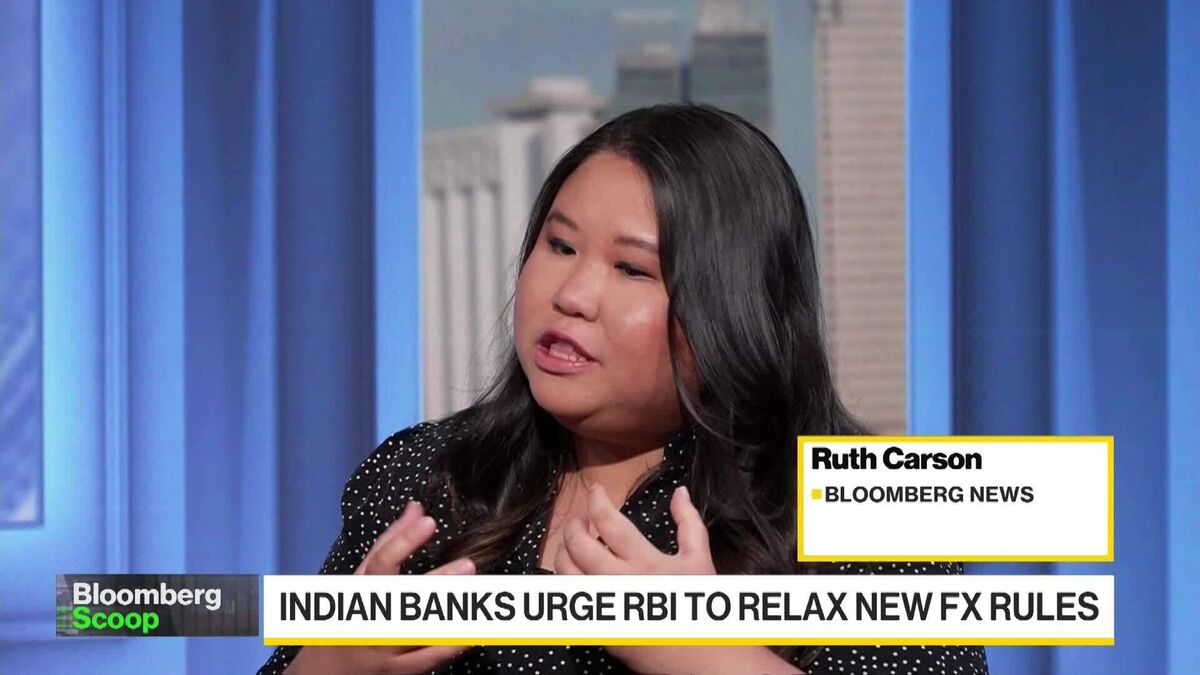
Furthermore, India’s fiscal deficit, though gradually improving, remains a concern for investors. The government’s ambitious spending plans, aimed at boosting infrastructure and social welfare, have raised questions about fiscal discipline in a high-interest-rate environment. “The fiscal deficit is a key metric that foreign investors watch closely,” says Ruth Carson, a Bloomberg analyst. “While India has made progress, there’s still work to be done to reassure markets.”
Speculation and Regulatory Interventions
In a bid to stabilize the rupee, Indian authorities have stepped up efforts to curb speculative trading in the currency markets. The Reserve Bank of India (RBI) has intervened by selling dollars from its foreign exchange reserves and imposing stricter regulations on currency derivatives trading. These measures aim to reduce excessive volatility and prevent speculative bets against the rupee.
While these interventions have provided some short-term relief, analysts caution that they are not a sustainable solution. “Currency intervention can buy time, but it doesn’t address the root causes of depreciation,” says Keshvani. “Structural reforms and addressing macroeconomic imbalances are key to restoring confidence in the rupee.”
Impact on the Economy and Beyond
The rupee’s depreciation has far-reaching implications for India’s economy. While a weaker currency can make exports more competitive, it also increases the cost of imports, fueling inflation. This poses a challenge for the RBI, which has been walking a tightrope between controlling inflation and supporting growth. Rising import costs could also widen the trade deficit, creating a vicious cycle that further pressures the currency.
For businesses, the rupee’s slide has led to higher input costs, particularly for companies reliant on imported raw materials. This could squeeze profit margins and weigh on corporate earnings, impacting investor sentiment. Meanwhile, Indian consumers are likely to feel the pinch as prices of essential goods, including fuel and electronics, rise.
On a broader level, the rupee’s weakness could undermine India’s efforts to position itself as a global economic powerhouse. As the country seeks to attract foreign investment and strengthen its role in international trade, a volatile currency could deter investors and complicate trade negotiations.
A Silver Lining Amid the Gloom?
Despite the challenges, some analysts remain cautiously optimistic about the rupee’s prospects. India’s economy continues to grow at a robust pace, outpacing many of its peers, and recent reforms aimed at improving the ease of doing business have bolstered investor confidence. Additionally, the RBI’s foreign exchange reserves, though depleted from interventions, remain substantial, providing a buffer against external shocks.
Moreover, the global economic landscape is not static. If the Federal Reserve signals a pause in its rate-hiking cycle or geopolitical tensions ease, the dollar could lose some of its momentum, offering relief to emerging market currencies. “There’s potential for a turnaround if global conditions improve,” says Carson. “But for now, the risks remain tilted to the downside.”
Conclusion: Navigating Uncertain Waters
The Indian rupee’s ongoing depreciation underscores the complex interplay of global and domestic factors shaping its trajectory. While authorities have taken steps to stabilize the currency, structural reforms and a favorable external environment will be critical to reversing its decline. For now, stakeholders must brace for continued volatility as India navigates these uncertain waters.
As the rupee’s fate hangs in the balance, one thing is clear: its performance will not only reflect India’s economic resilience but also test its ability to adapt to an increasingly interconnected and unpredictable global financial system.
