


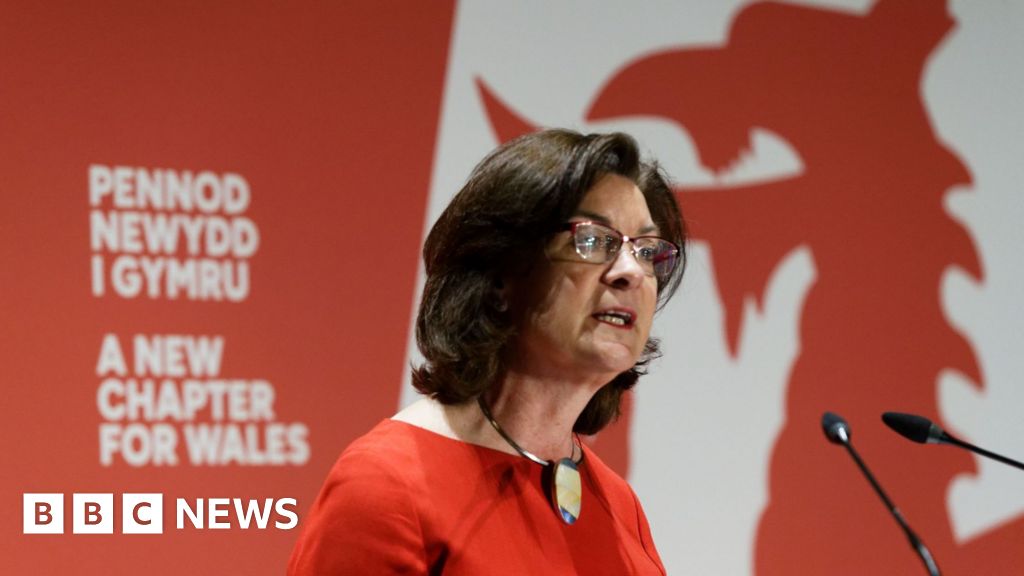

Welsh Labour Launches Senedd Election Manifesto in Swansea, Signaling Key Priorities
Swansea, Wales — In a significant moment for Welsh politics, Eluned Morgan, a prominent leader within the Welsh Labour Party, unveiled the party’s Senedd election manifesto at a high-profile event in Swansea. The launch marks a critical step in Labour’s campaign to retain its dominant position in the Welsh Parliament, with the election just weeks away.
The manifesto, titled “Building a Stronger Wales,” outlines a vision focused on economic recovery, healthcare reform, and environmental sustainability. Morgan, who serves as the Minister for Health and Social Services in the current Welsh Government, emphasized the party’s commitment to addressing pressing issues such as the cost-of-living crisis, climate change, and the ongoing challenges within the National Health Service (NHS).
“This manifesto is not just a document; it’s a promise to the people of Wales,” Morgan declared to a crowd of party members, journalists, and community leaders. “We are committed to creating opportunities for every individual, protecting our public services, and ensuring that Wales remains a leader in the fight against climate change.”
Key Proposals in the Manifesto
The manifesto includes several ambitious pledges designed to resonate with voters across Wales. Among the highlights is a commitment to invest heavily in green energy initiatives, aiming to make Wales a net-zero nation by 2050. Labour also promises to expand renewable energy projects, create jobs in the green economy, and improve public transportation infrastructure.
On healthcare, the party vows to address long waiting times and workforce shortages within the NHS. Proposals include increasing funding for primary care, recruiting more healthcare professionals, and expanding mental health services. Morgan stressed that improving access to healthcare is a moral imperative, particularly in the wake of the COVID-19 pandemic.
Economic recovery features prominently in the manifesto, with Labour pledging to support small businesses, boost regional development, and tackle poverty through targeted interventions. The party also aims to introduce measures to help households cope with rising energy costs, including subsidies for low-income families and energy efficiency programs.
Education and housing are other focal points, with promises to improve school funding, increase affordable housing stock, and ensure that young people have access to quality apprenticeships and training programs.
Context and Significance
The launch of the manifesto comes at a pivotal time for Welsh politics. Labour has been the dominant party in the Senedd since its establishment in 1999, but recent polls suggest growing competition from Plaid Cymru, the Welsh Conservatives, and other smaller parties. The election, scheduled for May 6, 2024, will determine the composition of the Senedd for the next five years and could shape the future of devolved governance in Wales.
Wales faces unique challenges, including higher levels of poverty and economic inequality compared to other parts of the United Kingdom. The devolved government has significant powers over areas such as health, education, and environmental policy, making the election a crucial battleground for addressing these issues.
Morgan’s leadership in launching the manifesto underscores her growing influence within the party. As a seasoned politician with a strong track record in healthcare and social services, she is seen as a potential future First Minister. Her ability to connect with voters and articulate Labour’s vision will be critical in the weeks ahead.
Reactions and Implications
The manifesto has elicited mixed reactions from political opponents and stakeholders. Plaid Cymru leaders criticized the document as lacking ambition, arguing that it fails to address systemic issues such as regional disparities and the need for greater independence from Westminster. Welsh Conservatives, meanwhile, accused Labour of offering “more of the same” without concrete plans to deliver real change.
However, Labour’s supporters praised the manifesto as a comprehensive and forward-looking platform. “This is a bold and practical plan for Wales,” said a local councillor attending the launch. “It shows that Labour is serious about tackling the challenges we face and building a brighter future for everyone.”
Looking ahead, the manifesto’s success will depend on Labour’s ability to mobilize its base and persuade undecided voters. The party’s focus on healthcare, economic recovery, and environmental sustainability reflects the priorities of many Welsh citizens, but translating these promises into tangible results will be the ultimate test.
The Senedd election is shaping up to be a closely contested race, with voters eager to see which party can best address their concerns. For Welsh Labour, the manifesto launch represents a crucial opportunity to reaffirm its leadership and set the tone for the campaign.
As the election approaches, all eyes will be on Wales to see how the political landscape evolves and what it means for the future of devolved governance in the UK.
