



Africa Faces Growing Fuel Crisis as Global Energy Supply Chains Strain
In what could become a defining economic challenge for the continent, Africa is now grappling with a deepening fuel-supply crisis, exacerbated by global energy market disruptions and logistical bottlenecks. The shortages, which mirror earlier shortages reported across Asia, threaten to disrupt transportation, industry, and daily life in nations already struggling with inflationary pressures and economic instability. This emerging crisis highlights the precariousness of Africa’s reliance on imported fuel and underscores the global ripple effects of energy market volatility.
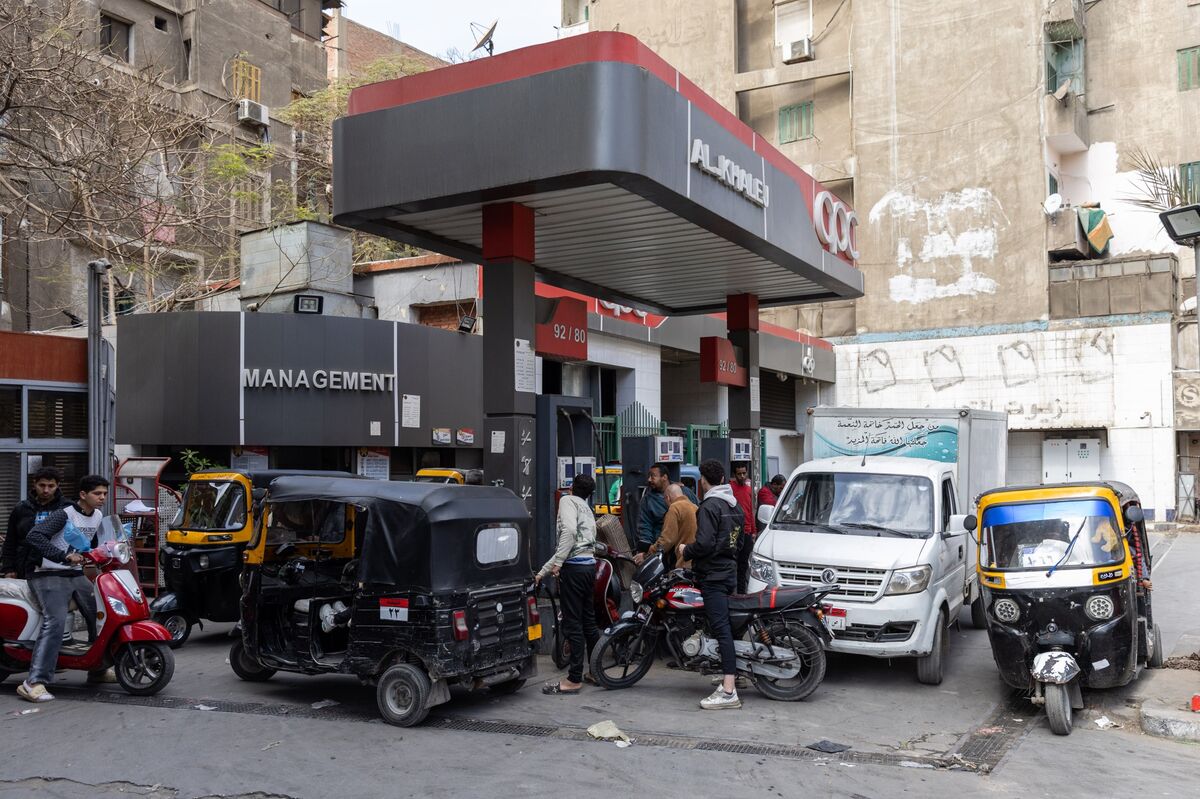
The crisis began to unfold in recent weeks as several African countries reported dwindling fuel stocks, leading to long queues at petrol stations, rising prices, and growing concerns about the economic fallout. Reports from Nigeria, Kenya, South Africa, and other nations indicate that fuel shortages are becoming increasingly severe, with some regions experiencing outright rationing. The situation has prompted governments to scramble for solutions, including emergency imports and appeals for calm, but analysts warn that the underlying issues are systemic and cannot be resolved overnight.
Global Context and Cascading Effects
The African fuel crisis is not an isolated event but part of a broader global pattern of energy supply chain disruptions. Earlier this year, Asian nations, including India and Pakistan, reported significant fuel shortages due to a combination of geopolitical tensions, reduced refinery output, and increased demand as economies recovered from COVID-19 lockdowns. These disruptions have sent shockwaves through global markets, driving up prices for crude oil and refined products and straining logistics networks.
For Africa, which relies heavily on imported refined petroleum products, these global challenges have been particularly acute. Unlike major oil-producing regions such as the Middle East or North America, many African nations lack sufficient refining capacity to meet domestic demand. As a result, they are disproportionately vulnerable to fluctuations in global supply and pricing. The current crisis has been exacerbated by the war in Ukraine, which has disrupted traditional energy trade routes and intensified competition for limited fuel supplies.
Economic and Social Implications
The consequences of fuel shortages are already being felt across the continent. In Nigeria, Africa’s largest oil producer and economy, long queues at petrol stations have become a common sight, with motorists often waiting hours to fill their tanks. The situation has sparked frustration and anger among citizens, particularly as the government has struggled to provide clear explanations or solutions. Similar scenes have been reported in Kenya, where diesel shortages have disrupted public transportation and raised fears of inflation.
The economic impact of the crisis is significant. Fuel is a critical input for industries ranging from agriculture to manufacturing, and shortages could lead to reduced productivity, higher operating costs, and job losses. In addition, rising fuel prices are likely to push up the cost of goods and services, further straining households already grappling with high inflation. The crisis also poses a threat to public health, as fuel shortages could impede the delivery of essential services such as healthcare and emergency response.
Government Responses and Regional Cooperation
African governments have taken varied approaches to address the crisis, with mixed results. In Nigeria, authorities have blamed the shortages on a scarcity of foreign exchange, which is needed to pay for fuel imports. The government has promised to increase supply and crack down on hoarding, but critics argue that these measures are insufficient to address the root causes of the problem.
In Kenya, officials have sought to reassure the public that the situation is under control, but the government’s credibility has been undermined by conflicting statements and a lack of transparency. Meanwhile, South Africa has turned to its strategic fuel reserves to mitigate the impact of shortages, but concerns remain about the sustainability of this approach.
Regional cooperation could play a key role in addressing the crisis, but progress has been slow. The African Union has called for greater coordination among member states to ensure energy security, but concrete steps have yet to be taken. Analysts suggest that long-term solutions, such as increasing investment in local refineries and renewable energy, will be essential to reducing the continent’s reliance on imported fuel.
Broader Lessons and Future Outlook
The African fuel crisis underscores the interconnectedness of global energy markets and the vulnerability of import-dependent economies to external shocks. It also highlights the urgent need for structural reforms to strengthen energy security and reduce reliance on fossil fuels. While renewable energy projects, such as solar and wind farms, offer hope for a more sustainable future, their development has been hampered by funding gaps and logistical challenges.
In the short term, African nations are likely to continue grappling with fuel shortages and their economic fallout. The situation could worsen if global energy markets remain volatile or if geopolitical tensions escalate further. However, the crisis also presents an opportunity for African leaders to reevaluate their energy policies and invest in solutions that promote resilience and self-sufficiency.
As the world watches how Africa navigates this challenge, the lessons learned could have far-reaching implications for energy policy and global cooperation in an increasingly uncertain era. For now, the continent remains at a crossroads, balancing immediate needs with long-term aspirations in a rapidly evolving energy landscape.
Closing Line: While the fuel crisis poses significant challenges for Africa, it also serves as a powerful reminder of the urgent need for sustainable energy solutions that can withstand the complexities of a globalized world.
