


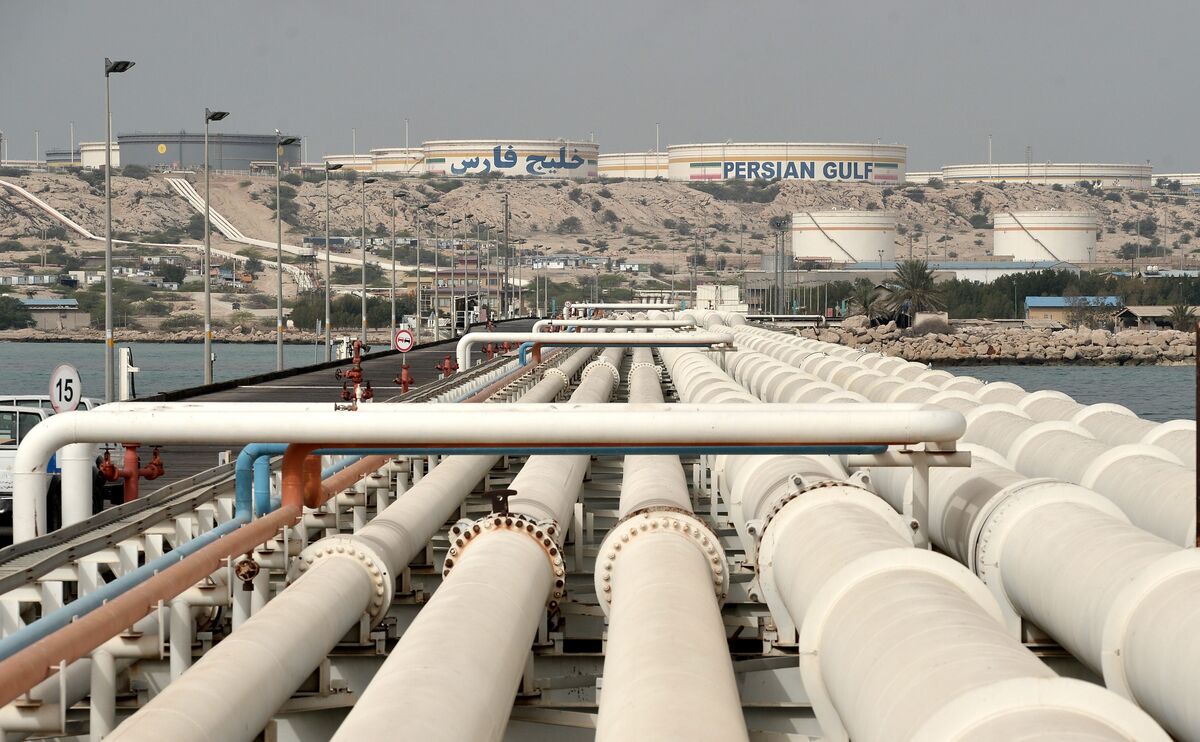

Iran’s Oil Lifeline: The Strategic Importance of Kharg Island
In the heart of the Persian Gulf, a small, unassuming island serves as the lifeline of Iran’s oil-dependent economy. Kharg Island, a speck of land off Iran’s southwestern coast, is home to the country’s largest and most critical oil export terminal. Responsible for handling nearly 90% of Iran’s crude oil shipments, this facility is the cornerstone of Iran’s ability to generate revenue on the global market. Yet, its strategic importance also makes it a potential target in a region fraught with geopolitical tensions. As Iran navigates international sanctions, regional rivalries, and the complexities of global energy markets, Kharg Island stands as both a symbol of resilience and a vulnerability in the nation’s quest for economic survival.
The Economic Lifeline of a Sanctions-Hit Nation
Iran’s economy is inextricably tied to its ability to export oil. As one of the world’s largest holders of proven crude oil reserves, the country has long relied on hydrocarbon exports to fuel its economy and fund government expenditures. However, years of international sanctions, particularly those imposed by the United States and its allies, have severely constrained Iran’s ability to sell oil on the open market. Despite these challenges, Kharg Island has remained a critical conduit for Iran’s oil exports, enabling the country to maintain a foothold in global energy markets.
The island’s terminal, equipped with advanced facilities for storing, loading, and shipping crude oil, can handle millions of barrels per day. Its deep-water port allows for the docking of supertankers, making it an indispensable asset for Iran’s oil industry. In recent years, Tehran has reportedly employed creative strategies, including ship-to-ship transfers and the use of shadow fleets, to circumvent sanctions and keep its oil flowing. Kharg Island has been at the center of these efforts, underscoring its pivotal role in Iran’s economic survival.
A Strategic Jewel in a Volatile Region
Kharg Island’s significance extends far beyond Iran’s borders. Located in the Persian Gulf, one of the world’s most strategically important waterways, the island sits at the crossroads of global energy trade. Approximately 20% of the world’s oil supply transits through the Strait of Hormuz, a narrow chokepoint just a few hundred kilometers from Kharg Island. This proximity has made the island a focal point of regional tensions, particularly between Iran and its Gulf neighbors, as well as Western powers.
Iran has repeatedly emphasized its ability to disrupt global oil supplies in response to external pressures, often citing the Strait of Hormuz as a potential flashpoint. Kharg Island, with its critical infrastructure, could become a target in any conflict. In 2020, the island was briefly thrust into the spotlight when reports emerged of potential security threats, though no major incidents occurred. The mere possibility of an attack on Kharg Island highlights its vulnerability and the broader risks to global energy security.
Historical Significance and Modern Challenges
Kharg Island’s transformation into an oil hub dates back to the mid-20th century, when Iran’s oil industry began to expand rapidly. Built with the assistance of international partners, the island’s facilities were designed to handle the growing demand for Iranian crude. Over the decades, Kharg Island has weathered wars, sanctions, and shifting geopolitical dynamics. During the Iran-Iraq War in the 1980s, the island was repeatedly targeted by Iraqi forces, causing significant damage to its infrastructure. Despite these setbacks, Iran managed to rebuild and modernize the terminal, ensuring its continued operation.
Today, the island faces a different set of challenges. Sanctions have limited Iran’s access to foreign investment and technology, hindering efforts to upgrade aging infrastructure. Environmental concerns also loom large, as the island’s operations contribute to pollution in the Persian Gulf. Addressing these issues requires substantial resources and expertise, both of which are in short supply under the current sanctions regime.
The Broader Context of Global Energy Markets
Kharg Island’s role in Iran’s oil exports is set against the backdrop of a rapidly evolving global energy landscape. As countries around the world accelerate their transition to renewable energy sources, the long-term demand for fossil fuels is expected to decline. For Iran, this presents both opportunities and risks. On the one hand, the country’s vast oil reserves remain a valuable asset, particularly if sanctions are lifted and Iran can fully re-enter global markets. On the other hand, the shift toward renewables underscores the need for economic diversification and investment in alternative industries.
In the short term, however, oil remains Iran’s most important source of revenue. Kharg Island will continue to play a central role in facilitating these exports, even as Tehran explores new markets and partnerships. Recent developments, including the easing of some sanctions under the Biden administration, have raised hopes of a partial recovery in Iran’s oil exports. Yet, the path forward remains uncertain, with ongoing negotiations over Iran’s nuclear program and regional tensions complicating the outlook.
A Balancing Act: Resilience and Vulnerability
Kharg Island exemplifies the dual nature of Iran’s oil industry: a source of economic strength and a potential Achilles’ heel. Its facilities have enabled Iran to navigate decades of challenges, from wars to sanctions, and remain a significant player in global energy markets. Yet, the island’s strategic importance also makes it a target, both physically and economically.
As Iran continues to grapple with external pressures and internal challenges, Kharg Island will remain at the heart of its efforts to sustain oil exports. Its fate is inextricably linked to broader geopolitical developments, making it a bellwether for Iran’s economic prospects and the stability of global energy markets. In a region defined by volatility and uncertainty, Kharg Island stands as a testament to the resilience—and vulnerability—of Iran’s oil-dependent economy.
As the world watches the Persian Gulf with bated breath, Kharg Island serves as a stark reminder of the delicate balance between energy security and geopolitical risk. Its story is far from over, and its future will undoubtedly shape the trajectory of Iran’s economy—and the global energy landscape—for years to come.
