



Iran Threatens “Rain of Fire” Against US Forces Amid Rising Tensions in the Persian Gulf
A Looming Flashpoint in the Strait of Hormuz
The Persian Gulf is once again on the brink of crisis as Iran’s parliamentary speaker, Mohammad Bagher Ghalibaf, issued a stark warning to the United States, vowing that any American military incursion would be met with a devastating “rain of fire.” The threat, delivered in defiant rhetoric, underscores the escalating tensions between Tehran and Washington, raising fears of a direct military confrontation in one of the world’s most volatile regions.
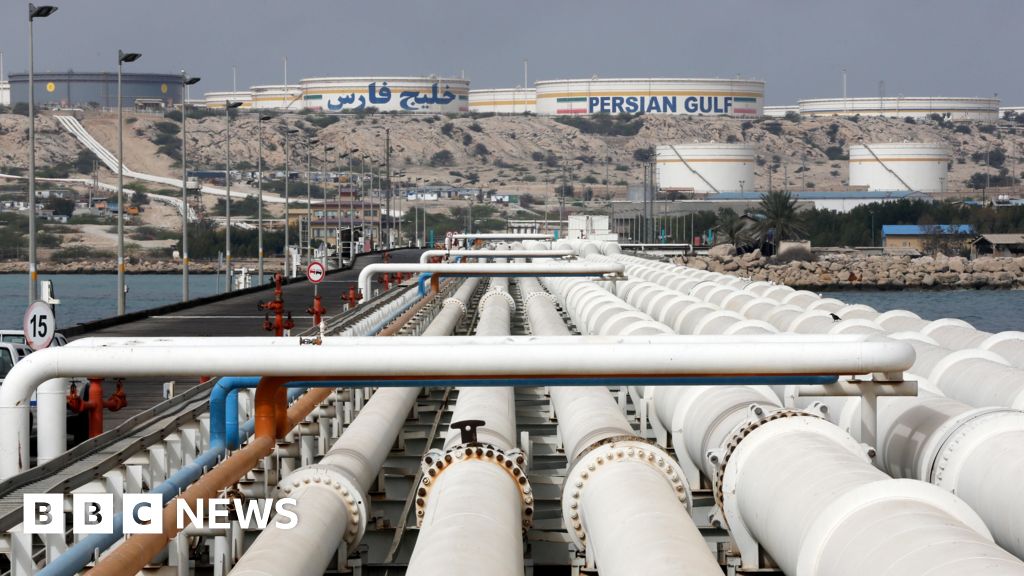
With Iran reportedly bolstering its defenses on strategic islands near the Strait of Hormuz—a critical chokepoint for global oil shipments—the specter of conflict threatens to destabilize not only the Middle East but also the fragile balance of international security. As both sides exchange threats and military posturing, the world watches nervously, aware that a single miscalculation could ignite a wider war.
Iran’s Military Buildup and Defiant Rhetoric
Ghalibaf’s warning comes amid reports that Iran has deployed additional surface-to-air missile batteries and other defensive systems on key islands in the Persian Gulf. Analysts suggest these moves are a direct response to perceived US aggression, including increased naval patrols and economic sanctions that have crippled Iran’s economy.
The Iranian leadership has long framed itself as a resistance force against American hegemony, and Ghalibaf’s fiery rhetoric aligns with Tehran’s broader strategy of deterrence. “Any hostile action will be met with overwhelming force,” he declared, signaling Iran’s readiness to retaliate against any perceived US or allied strikes.
This latest escalation follows years of simmering hostility, including attacks on oil tankers, drone shootdowns, and the assassination of top Iranian general Qasem Soleimani by a US drone strike in 2020. Each incident has brought the two nations closer to open conflict, with neither side willing to back down.
Global Implications: Energy Markets and Geopolitical Stability
The Strait of Hormuz, a narrow passage through which nearly a third of the world’s seaborne oil passes daily, remains the most immediate flashpoint. Any military confrontation in the region could disrupt global energy supplies, sending oil prices skyrocketing and triggering economic shocks worldwide.
Beyond energy security, the standoff carries broader geopolitical consequences. The US maintains a strong military presence in the Gulf, with bases in Bahrain, Qatar, and the UAE, while Iran has cultivated alliances with regional proxies such as Hezbollah and Yemen’s Houthi rebels. A full-scale conflict could draw in these actors, potentially sparking a multi-front war across the Middle East.
Moreover, the crisis unfolds against the backdrop of stalled nuclear negotiations. Efforts to revive the 2015 Joint Comprehensive Plan of Action (JCPOA) have faltered, leaving Iran’s nuclear ambitions unchecked and increasing pressure on the US and its allies to consider further sanctions or military options.
Historical Context: A Cycle of Provocation and Retaliation
The current tensions are not isolated but part of a decades-long struggle between Iran and the West. Since the 1979 Islamic Revolution, Tehran has positioned itself as a counterweight to US influence in the region, supporting militant groups and advancing its ballistic missile program despite international condemnation.
The US, in turn, has pursued a policy of maximum pressure, imposing crippling sanctions and maintaining a formidable military presence near Iran’s borders. The assassination of Soleimani marked a dangerous escalation, demonstrating Washington’s willingness to take direct action against Iranian leadership.
Now, with both nations locked in a dangerous game of brinkmanship, the risk of accidental conflict looms large. Naval skirmishes, cyberattacks, or proxy clashes could quickly spiral out of control, dragging regional powers and global markets into chaos.
Why This Matters for the World
The stakes could not be higher. A war between the US and Iran would not only devastate the Middle East but also send shockwaves through the global economy. Oil-dependent nations, particularly in Europe and Asia, would face severe disruptions, while humanitarian crises would worsen in conflict zones like Yemen and Syria.
Diplomatic solutions remain the only viable path forward, yet neither side appears willing to make the first move. The Biden administration has expressed openness to renewed nuclear talks, but Iran’s hardline government insists on guarantees before returning to negotiations. Meanwhile, Israel and Gulf Arab states watch nervously, preparing for potential fallout.
A Fragile Peace Hangs in the Balance
As the world holds its breath, the Persian Gulf stands as a powder keg waiting to ignite. Ghalibaf’s threats are more than just bluster—they reflect a regime prepared to fight if pushed. The US, for its part, has shown it will not tolerate Iranian aggression.
The coming weeks will be critical. Will diplomacy prevail, or will another provocation plunge the region into war? For now, the only certainty is that the world cannot afford a miscalculation. The “rain of fire” may remain a threat—but in the tinderbox of the Middle East, even a spark could be catastrophic.
