



Chinese Stocks Defy Global Turmoil: A Safe Haven Amid Escalating Middle East Tensions
In a world increasingly fraught with geopolitical uncertainty, Chinese equities are emerging as an unlikely safe haven for investors seeking stability amidst the escalating conflict between Israel and Iran. Amidst a backdrop of global market volatility, Chinese stocks have outperformed their international peers, marking their strongest performance since August 2025 and raising questions about the shifting dynamics of global capital flows.
The ongoing conflict in the Middle East, which has seen Iran launch unprecedented missile and drone attacks against Israel, has sent shockwaves through global markets. Traditionally, such geopolitical instability would trigger a flight to safety, with investors flocking to assets like U.S. Treasuries, gold, or Swiss francs. However, this time, Chinese stocks have become a surprising beneficiary, with the MSCI China Index surging over 8% in the past week alone, compared to marginal gains or declines in major indices like the S&P 500 and Europe’s STOXX 600.
A Unique Convergence of Factors
Several factors are contributing to this unexpected trend. First and foremost is China’s relative insulation from the geopolitical tensions unfolding in the Middle East. Unlike the U.S. and Europe, which maintain close ties with Israel and have been drawn into the conflict’s diplomatic fallout, China has maintained a neutral stance. This diplomatic distance has allowed Beijing to avoid the economic repercussions that often accompany such crises, such as sanctions or trade disruptions.
Additionally, China’s domestic economy is showing signs of stabilization after years of sluggish growth exacerbated by the COVID-19 pandemic and a prolonged property sector crisis. Recent government measures, including targeted stimulus packages and efforts to restore confidence in the financial system, have begun to bear fruit. Preliminary data suggests that GDP growth for the first quarter of 2024 exceeded expectations, with industrial production and retail sales posting robust gains. This economic rebound has made Chinese assets more attractive to investors seeking growth opportunities in a volatile global environment.
The Role of Global Market Sentiment
The outperformance of Chinese equities also reflects broader structural shifts in global markets. As U.S. interest rates remain elevated and the Federal Reserve signals a cautious approach to potential rate cuts, investors are increasingly looking for alternatives to traditional Western markets. China’s relatively low valuation metrics, particularly when compared to U.S. equities, have made it an appealing destination for value-seeking capital.
“Chinese stocks are trading at a significant discount to their historical averages and to other major markets,” said James Wong, a Hong Kong-based portfolio manager specializing in emerging markets. “This, combined with the country’s improving economic outlook, has created a compelling case for investors to re-enter the market.”
Moreover, the ongoing de-dollarization trend, driven by geopolitical tensions and the rise of multipolar trade arrangements, has bolstered China’s position as a financial hub. The increasing use of the Chinese yuan in international trade settlements and the expansion of the Belt and Road Initiative have further enhanced Beijing’s economic clout, making its markets more resilient to external shocks.
Challenges and Risks Remain
Despite the recent rally, analysts caution that the outlook for Chinese stocks is not without risks. The country’s economic recovery remains fragile, with lingering concerns over weak consumer demand, high youth unemployment, and the slow pace of structural reforms in the property sector. Additionally, China’s stock market has historically been prone to volatility, driven by regulatory crackdowns and policy shifts that often catch investors off guard.
Geopolitical tensions also cast a long shadow. While China has managed to avoid direct involvement in the Israel-Iran conflict, its deepening strategic partnership with Russia and its ambiguous stance on global issues have raised concerns among Western investors. Any escalation in U.S.-China trade tensions or a deterioration in relations with key trading partners could undermine confidence in the market.
“The recent rally is encouraging, but investors should remain cautious,” warned Emily Zhang, an economist at Beijing-based consultancy SinoInsider. “The Chinese market is still susceptible to significant downside risks, both domestically and internationally.”
Broader Implications for Global Markets
The resilience of Chinese equities amid global turmoil has broader implications for the structure of international financial markets. Traditionally, emerging markets have been viewed as riskier assets that underperform during periods of geopolitical instability. However, China’s recent performance suggests that this narrative may be shifting, at least in part.
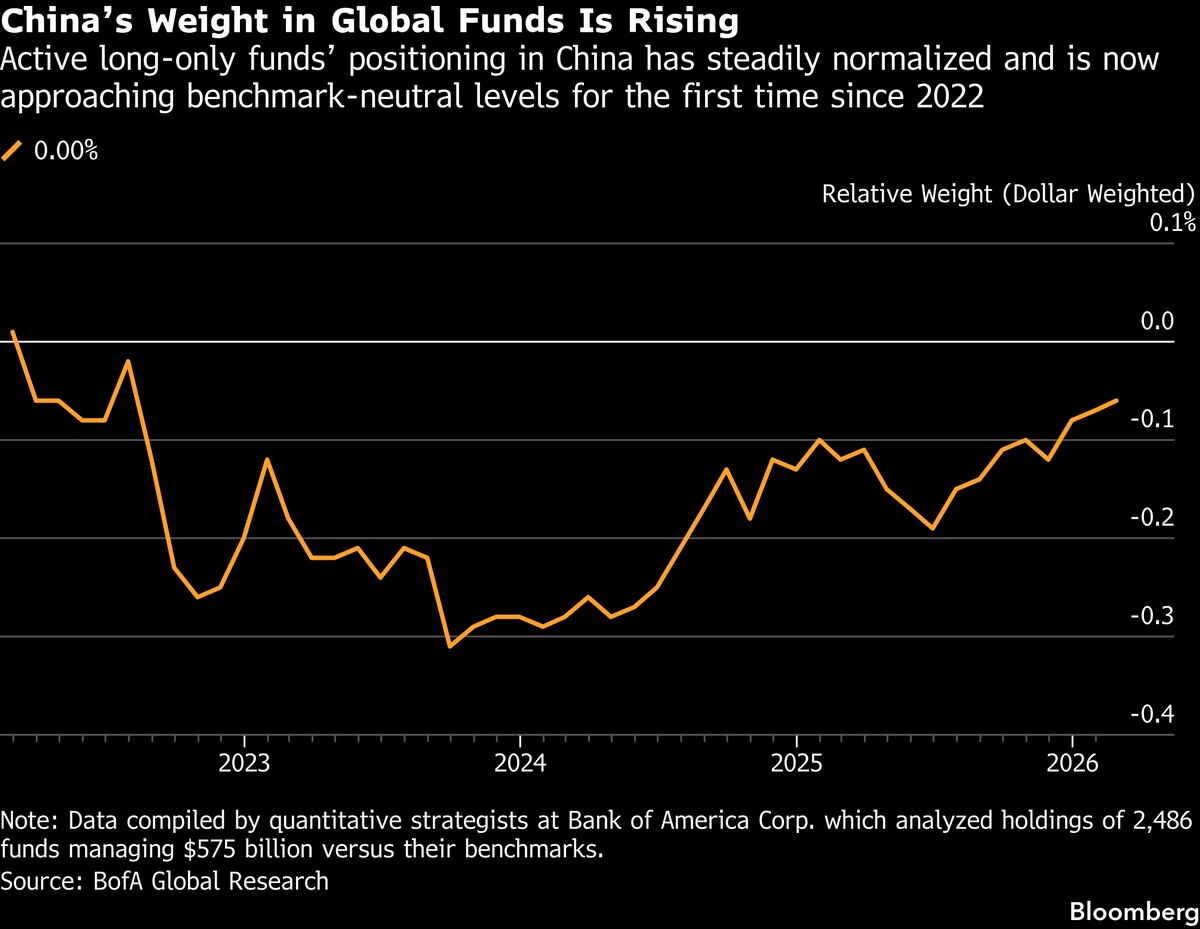
This trend is also reshaping investor portfolios. According to data from EPFR Global, inflows into China-focused equity funds have surged in recent weeks, marking the highest levels since early 2023. Institutional investors, including hedge funds and sovereign wealth funds, are increasingly allocating capital to Chinese stocks, driven by the search for diversification and higher returns.
“China’s market is becoming a counterbalance to the dominance of U.S. equities,” noted Michael Harris, a London-based strategist at investment bank Barclays. “As geopolitical risks rise, we expect more investors to view Chinese assets as a hedge against global instability.”
A New Era for Chinese Equities?
The outperformance of Chinese stocks in the face of global uncertainty underscores the evolving role of China in the global financial system. Once seen as a peripheral player, China is now carving out a niche as a safe haven for investors navigating a fractured world order. This shift is not only a testament to the country’s growing economic influence but also a reflection of the changing dynamics of global finance.
However, whether Chinese equities can sustain this momentum remains an open question. Much will depend on Beijing’s ability to address domestic challenges while maintaining its delicate balancing act in international diplomacy. For now, though, the resilience of Chinese stocks offers a glimmer of stability in an increasingly unpredictable world.
As investors grapple with the complexities of a multipolar global economy, Chinese equities have emerged as a beacon of calm in stormy seas—a trend that could redefine the contours of international finance in the years to come.
