


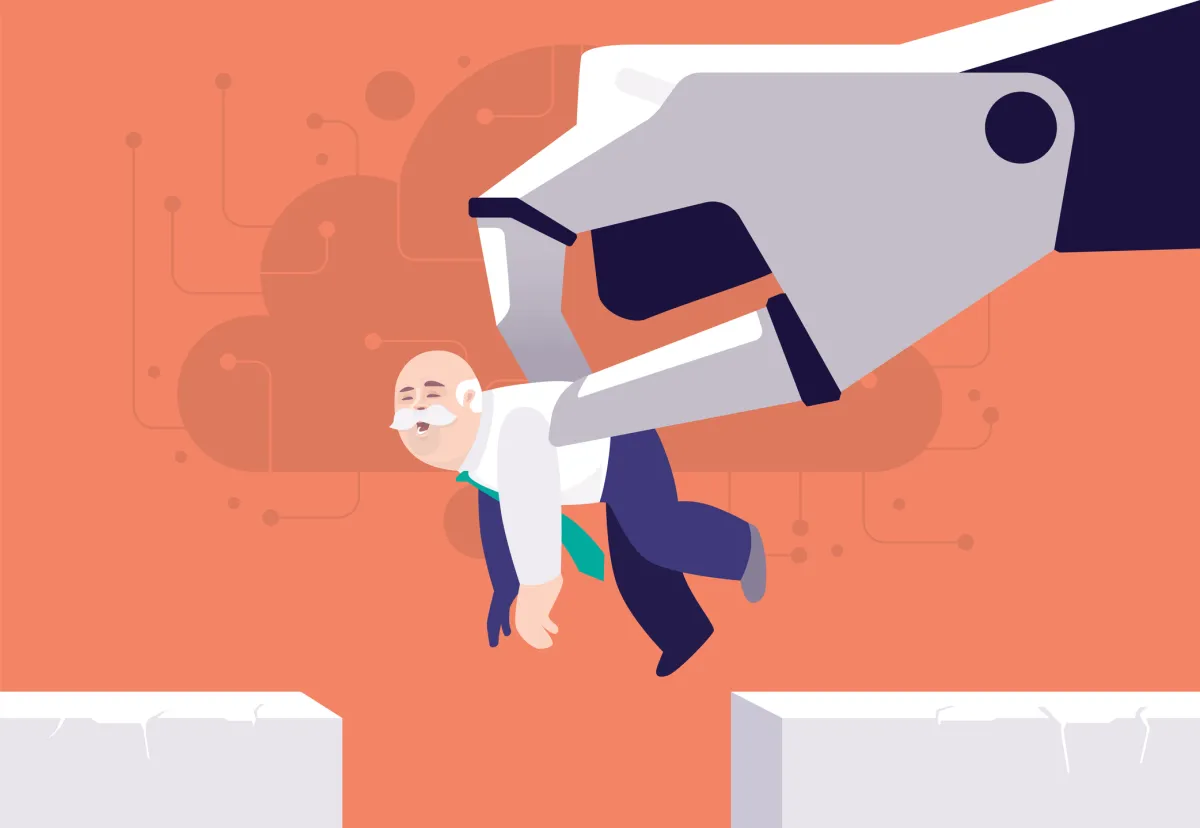

Would You Work for an AI Boss? Americans Weigh In on Artificial Intelligence’s Role in Workplace Leadership
As artificial intelligence continues to reshape industries, a surprising question emerges: Would you trade your human manager for an AI-powered supervisor? A new poll suggests that a growing number of Americans are open to the idea, sparking debates about the future of work, leadership, and the role of technology in professional environments. While the majority still prefer human oversight, the trend signals a significant shift in how employees perceive AI’s potential to manage tasks and even entire teams.
According to a Quinnipiac University poll published on Monday, March 27, 2026, 15% of Americans surveyed expressed willingness to work under an AI program that assigns tasks, sets schedules, and oversees their daily responsibilities. Conducted between March 19 and 23, 2026, the poll surveyed 1,397 adults across the United States, exploring attitudes toward AI adoption, trust, and concerns about job security. While the majority (85%) still prefer human managers, the findings highlight a notable openness to AI-driven leadership in certain contexts.
The Rise of AI in Workplace Leadership
The concept of AI managers is gaining traction as companies increasingly integrate automation into their organizational structures. Tech giants like Amazon have already deployed AI workflows to replace certain middle management roles, resulting in significant layoffs. In January 2026, Amazon announced plans to cut 16,000 managerial positions as it streamlined operations with AI tools designed to handle tasks such as performance evaluations and workload distribution. Similarly, Workday has introduced AI agents capable of filing and approving expense reports on behalf of employees, reducing the administrative burden on human managers.
Even at Uber, engineers have experimented with AI models mimicking leadership styles. In February 2026, the company’s engineers developed an AI version of CEO Dara Khosrowshahi to field pitches and provide feedback before employees meet with their actual boss. These advancements illustrate how AI is not only automating repetitive tasks but also stepping into decision-making roles traditionally reserved for humans.
This trend has led some experts to dub the phenomenon “The Great Flattening,” as AI eliminates layers of management, creating leaner, more efficient organizations. In extreme cases, companies could evolve into fully automated entities, with AI managing everything from daily operations to executive-level decisions.
Public Concerns About Job Security
Despite the growing acceptance of AI in leadership roles, the Quinnipiac poll reveals deep concerns among Americans about the broader implications of AI adoption. Seventy percent of respondents believe that advances in AI will reduce job opportunities for humans, reflecting widespread anxiety about automation’s impact on employment. Among employed Americans, 30% said they were either “very concerned” or “somewhat concerned” that AI could make their jobs obsolete.
These worries are not unfounded. As AI becomes more sophisticated, it encroaches on roles once thought to require human intuition and creativity. From customer service to content creation, AI tools are increasingly capable of performing tasks that previously demanded human expertise. While proponents argue that AI will create new opportunities in emerging fields, skeptics fear that the transition will leave many workers unemployed or underemployed.
Balancing Efficiency with Humanity
The debate over AI managers raises critical questions about the balance between efficiency and the human touch in the workplace. Advocates of AI leadership argue that machines can eliminate biases, reduce inefficiencies, and make data-driven decisions faster than humans. AI managers, for instance, can analyze vast amounts of data to optimize schedules, allocate resources, and identify areas for improvement—tasks that might take humans considerably longer to complete.
However, critics warn that AI lacks the empathy, emotional intelligence, and adaptability that human managers bring to the table. Leadership is not just about assigning tasks; it’s about mentoring, motivating, and understanding the unique needs of employees. “AI can handle logistics, but it can’t inspire a team or navigate complex interpersonal dynamics,” says Dr. Emily Carter, an organizational psychologist at Harvard University. “There’s a risk that replacing human managers with AI could lead to a more transactional, less engaging work environment.”
The Future of Work: A Hybrid Model?
As organizations grapple with these challenges, many experts predict a hybrid model where AI and human managers work in tandem. In this scenario, AI handles administrative and analytical tasks, freeing up human managers to focus on strategic decision-making and employee development. Such an approach could harness the strengths of both humans and machines, creating a more efficient and empathetic workplace.
“We’re likely to see a gradual integration of AI into management roles, rather than an abrupt replacement of human supervisors,” says Mark Johnson, a futurist and author of The Algorithmic Workplace. “The key is to use AI as a tool to enhance human capabilities, not to replace them entirely.”
Societal Implications and Ethical Considerations
The rise of AI managers also raises broader societal and ethical questions. How will organizations ensure that AI systems are free from biases and make fair decisions? Who will be held accountable when AI managers make mistakes? And what happens to the millions of workers whose jobs are automated out of existence?
Addressing these concerns requires proactive measures from policymakers, businesses, and educators. Governments may need to implement regulations governing AI’s role in the workplace, while companies must invest in reskilling programs to help workers adapt to the changing landscape.
Conclusion: A Complex Evolution
The Quinnipiac poll underscores the evolving relationship between humans and AI in the workplace. While the majority of Americans still prefer human managers, the growing acceptance of AI supervisors signals a pivotal shift in how we perceive leadership and automation. As organizations navigate this transformation, the challenge will be to balance efficiency with humanity, ensuring that technology enhances rather than diminishes the workplace experience. In the end, the future of management may not be a choice between humans or AI—but a collaboration between the two.
