


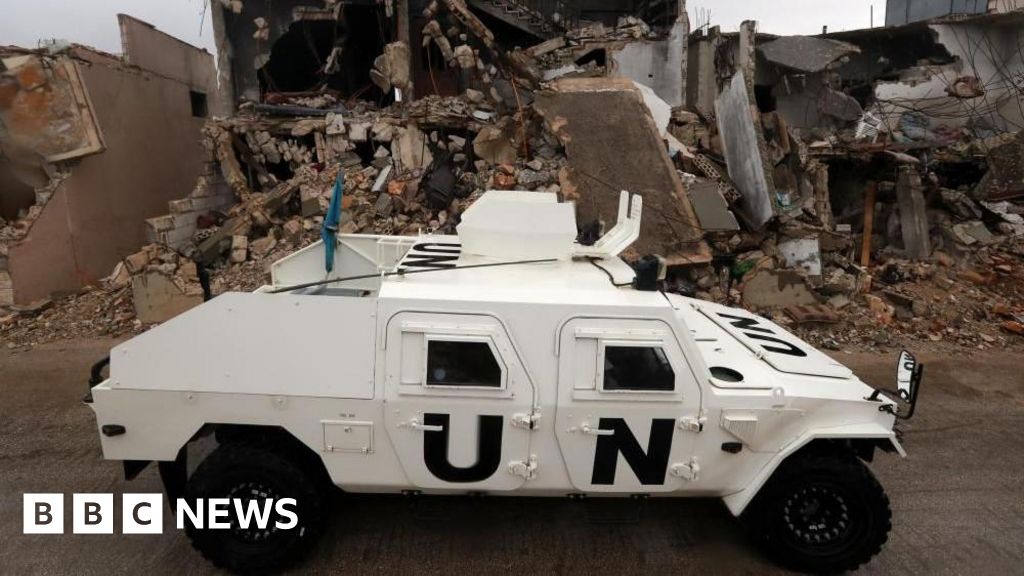

Escalation in Southern Lebanon: Unifil Reports Second Fatal Incident Amid Israel-Hezbollah Tensions
In a dramatic escalation of hostilities, southern Lebanon has witnessed its second fatal incident in less than 24 hours, according to the United Nations Interim Force in Lebanon (Unifil). The incident occurred as Israel intensified its military operations against Hezbollah, marking a significant uptick in violence along the tense Israel-Lebanon border. The flare-up has raised fears of a broader regional conflict, with the potential to draw in international actors and destabilize an already volatile Middle East.
Background: Simmering Tensions in the Region
The Israel-Hezbollah conflict has long been a flashpoint in the Middle East, rooted in decades of geopolitical rivalry and proxy warfare. Hezbollah, a Shia Islamist militant group backed by Iran, has been a persistent challenge to Israeli security, frequently engaging in cross-border skirmishes and rocket attacks. Israel, in turn, has retaliated with targeted strikes and broader military operations, often citing the need to neutralize threats to its sovereignty.
Recent months have seen tensions escalate, particularly after Israel expanded its operational footprint in southern Lebanon. The move followed intelligence reports suggesting Hezbollah was stockpiling advanced weaponry and establishing fortified positions near the border. This latest incident underscores the fragility of the situation, with Unifil warning that the cycle of violence could spiral out of control if urgent diplomatic efforts are not pursued.
The Latest Incident: A Grim Reminder of Escalating Violence
Details of the fatal incident remain sparse, but Unifil confirmed it involved an exchange of fire between Israeli forces and Hezbollah militants. The clash reportedly occurred in a disputed area near the Blue Line, the UN-demarcated border between Israel and Lebanon. Casualties were reported on both sides, though the exact number and identities of those killed have not been disclosed.
This marks the second deadly episode in less than a day, following an earlier incident in which a Hezbollah operative was killed in an Israeli airstrike. The back-to-back fatalities have heightened concerns among local residents, many of whom have fled their homes amid fears of further violence. Unifil has called for an immediate ceasefire and urged both parties to exercise restraint, but its appeals appear to have fallen on deaf ears as hostilities show no signs of abating.
Global Implications: Why This Matters
The escalation in southern Lebanon has far-reaching implications, not just for the immediate region but for global security. The Israel-Hezbollah conflict is emblematic of broader geopolitical tensions, particularly the longstanding rivalry between Israel and Iran. A full-scale war could draw in other regional players, including Syria and Gulf states, further destabilizing an already fractured Middle East.
Moreover, the conflict has the potential to disrupt global energy markets. Lebanon borders the Mediterranean Sea, a critical transit route for oil and gas shipments. Any sustained fighting could impact maritime traffic and exacerbate existing energy shortages, particularly in Europe, which remains heavily reliant on Middle Eastern energy supplies.
The situation also poses a significant challenge to international diplomacy. The United Nations and Western powers have long sought to broker peace between Israel and its neighbors, but their efforts have been stymied by the entrenched positions of both sides. The latest violence underscores the urgent need for renewed diplomatic initiatives, lest the conflict spiral into a full-blown regional war.
Humanitarian Crisis: The Human Cost of Conflict
Beyond the geopolitical ramifications, the escalating violence has exacted a heavy human toll. Civilians in southern Lebanon, already grappling with economic hardship and political instability, now face the added burden of displacement and insecurity. Hospitals in the region are reportedly overwhelmed, struggling to cope with the influx of wounded amid dwindling supplies.
International humanitarian organizations have warned of a looming crisis if the violence continues. Access to essential services, including food, water, and medical care, is becoming increasingly precarious, particularly for vulnerable populations such as women and children. The United Nations has called for urgent humanitarian assistance, but aid efforts are being hampered by the ongoing fighting.
A Call for Diplomacy: The Path Forward
As the situation teeters on the brink of further escalation, the international community faces a critical juncture. Diplomatic engagement, though fraught with challenges, remains the only viable path to de-escalation. Key stakeholders, including the United States, European Union, and regional powers, must leverage their influence to bring both sides to the negotiating table.
Unifil’s role as a mediator is also crucial, but its effectiveness hinges on broader international support. Strengthening the UN peacekeeping mission, both in terms of resources and mandate, could help deter further violence and create the conditions for lasting peace.
Conclusion: A Fragile Peace Hangs in the Balance
The latest fatal incident in southern Lebanon is a stark reminder of the fragility of peace in the Middle East. As Israel and Hezbollah trade blows, the risks of a wider conflict grow ever more pronounced. The stakes are high—not just for the warring parties but for the entire region and the world.
Without swift and decisive action, the cycle of violence threatens to engulf Lebanon and beyond, with devastating consequences for civilians and global stability alike. The time for diplomacy is now, before the flames of war consume all hope of peace. The world watches, and waits, as the fate of southern Lebanon hangs in the balance.
