



Escalating Tensions in the Middle East Trigger Global Economic Tremors
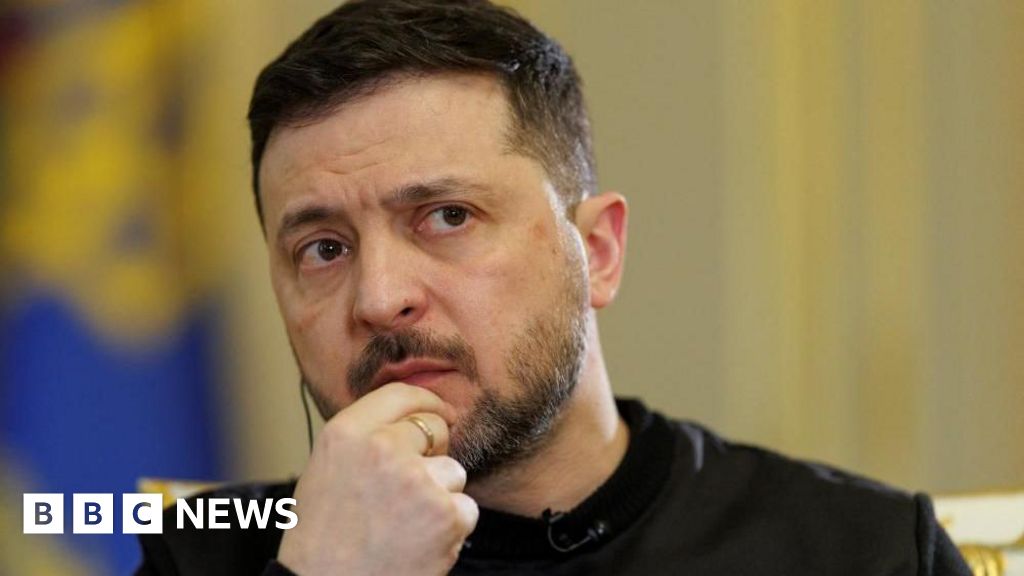
The world watches with bated breath as the reverberations of conflict ripple across continents. With Ukraine’s president hinting at international appeals to scale back attacks amid soaring global prices, the war in the Middle East has transcended regional borders, sparking concerns of a cascading crisis. The already strained global economy, grappling with inflation and supply chain disruptions, now faces a new wave of uncertainty as the Iran conflict exacerbates energy and commodity markets. This unfolding drama underscores the interconnected nature of modern geopolitics, where a single flashpoint can ignite a chain reaction with far-reaching consequences.
The Middle East Conflict: A Catalyst for Global Instability
The ongoing war in Iran has intensified geopolitical tensions across the region, drawing in global powers and destabilizing an already volatile area. Iran, a key player in Middle Eastern politics, has long been a focal point of international scrutiny due to its nuclear ambitions and regional influence. The latest escalation has seen heightened military engagements, with neighboring countries and international coalitions drawn into the fray.
The conflict’s timing is particularly critical. The world economy is still recovering from the aftershocks of the COVID-19 pandemic and the ongoing war in Ukraine. The Middle East, a linchpin of global energy markets, plays a pivotal role in maintaining stability. Any disruption in the region sends shockwaves through oil and gas supplies, driving prices upward and placing additional strain on economies already teetering on the edge of recession.
Ukraine’s Role and the Global Response
Amidst this turmoil, Ukraine’s president has revealed that international partners have approached him with requests to potentially reduce the intensity of attacks linked to the Iran conflict. While details remain scarce, this development highlights the interconnected nature of global security. Ukraine, embroiled in its own protracted war with Russia, finds itself at the crossroads of multiple geopolitical crises.
The requests from global partners suggest a growing concern over the economic fallout from escalating conflicts. Rising energy prices, driven by disruptions in the Middle East, have a domino effect on inflation, food security, and global trade. For Ukraine, already grappling with the challenges of wartime economics, these pressures add another layer of complexity to its ongoing struggle.
Economic Implications: A World on the Brink
The Iran conflict has sent oil prices soaring, with Brent crude reaching levels not seen in months. This surge has far-reaching implications for global economies, particularly those heavily reliant on energy imports. Europe, still navigating the energy crisis triggered by the Russia-Ukraine war, faces renewed pressures as it seeks alternative energy sources.
Beyond energy, the conflict has disrupted global supply chains, particularly in critical sectors such as agriculture and manufacturing. Iran’s strategic location, coupled with its role in regional trade, means that any prolonged instability risks further entangling global markets. Rising prices for essential commodities, coupled with inflationary pressures, threaten to push vulnerable economies into recession, exacerbating poverty and inequality worldwide.
Humanitarian Toll: A Crisis Beyond Economics
While the economic ramifications dominate headlines, the humanitarian cost of the Iran conflict cannot be overstated. Civilians bear the brunt of the violence, with reports of mass displacement, casualties, and deteriorating living conditions. The international community faces mounting pressure to address the crisis, balancing geopolitical interests with the urgent need for humanitarian intervention.
The situation in Iran also has broader implications for global migration patterns. As conflict drives people from their homes, neighboring countries and regions face the challenge of accommodating refugees, further straining resources and social cohesion. The humanitarian crisis underscores the need for concerted international efforts to mitigate the impact of war and restore stability.
Why This Matters: A Fragile Global Order
The unfolding crisis in Iran is not just a regional issue—it is a litmus test for the international community’s ability to manage complex, interconnected conflicts. In an era defined by globalization, the ripple effects of war extend far beyond borders, influencing everything from energy prices to food security. The Iran conflict serves as a stark reminder of the fragility of the global order and the urgent need for collective action to prevent further escalation.
For policymakers, the challenge lies in navigating the delicate balance between geopolitical interests and economic stability. The requests to Ukraine’s president to reduce attacks underscore the interconnected nature of modern conflicts, where actions in one region can have profound consequences elsewhere.
Conclusion: A Call for Global Solidarity
As the world grapples with the fallout from the Iran conflict, the need for global solidarity has never been more apparent. The interconnected nature of modern geopolitics means that no nation exists in isolation—crises in one region reverberate across the globe, affecting economies, societies, and lives far beyond the immediate conflict zone.
The Iran war is not merely a regional issue; it is a global challenge demanding a coordinated response. The international community must rise to the occasion, prioritizing diplomacy, humanitarian aid, and economic stability to navigate this turbulent period. The stakes are high, and the world cannot afford to look away.
In the words of Ukraine’s president, the time has come for nations to unite in pursuit of peace and stability. The alternative—a world fractured by escalating conflicts and economic chaos—is a price too high to pay. The path forward is fraught with challenges, but with collective resolve, the global community can weather this storm and emerge stronger on the other side.
