



Wall Street Bets Big on American Fast Food in Japan: A Shift in Taste for Sushi and Ramen
Global Investors Predict Surge in Demand for Burgers and Fried Chicken
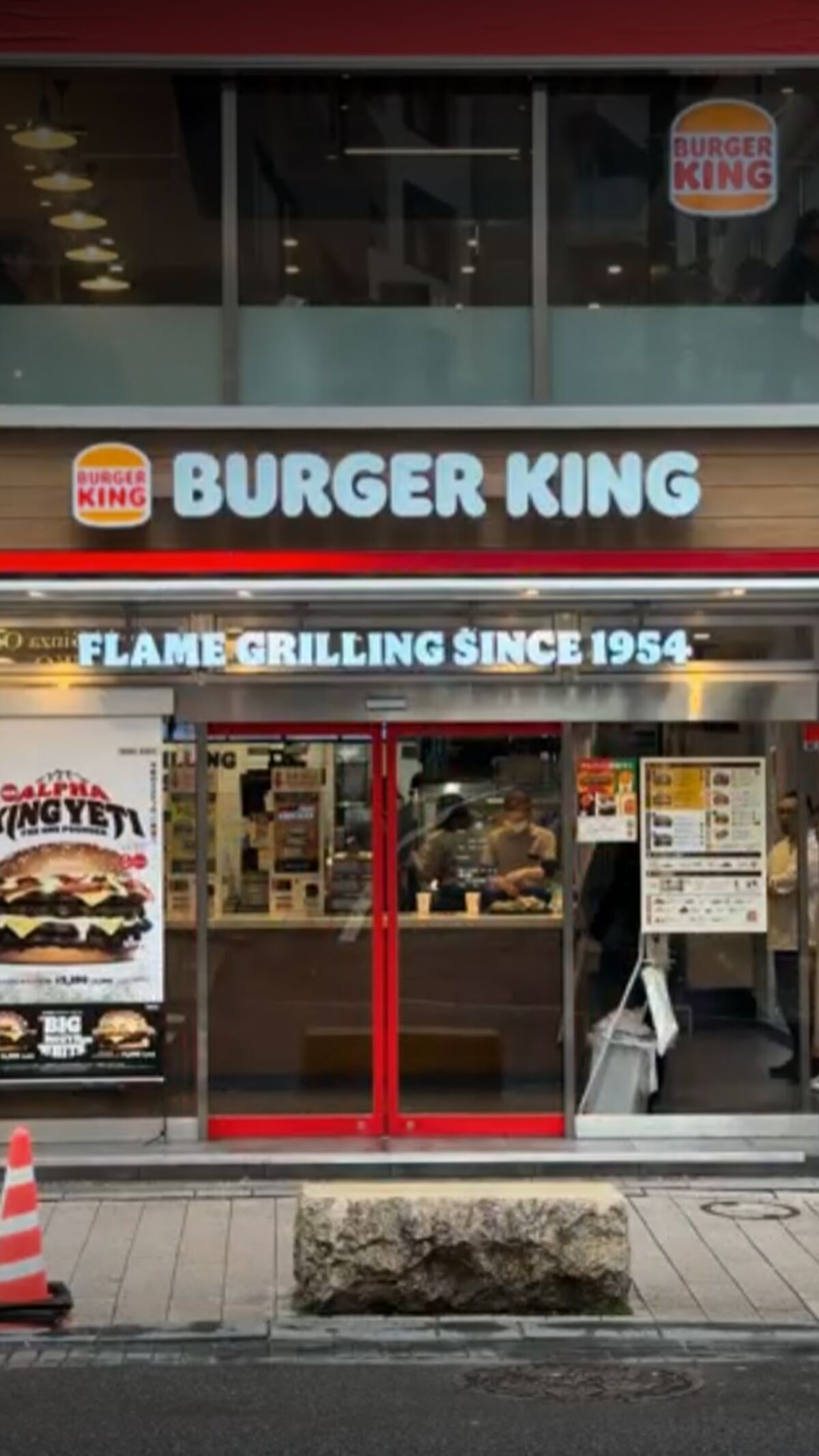
Tokyo – In a nation renowned for its culinary traditions of sushi, ramen, and tempura, American fast-food chains like KFC and Burger King are poised for a significant expansion, fueled by multimillion-dollar investments from Wall Street giants Carlyle Group and Goldman Sachs. These financial powerhouses are betting that Japan’s evolving consumer preferences and changing demographics will create a lucrative market for Western-style fast food, reshaping the country’s dining landscape in the process.
Japan’s food culture, deeply rooted in centuries-old traditions, has long been a source of national pride. However, globalization, urbanization, and shifting lifestyles have gradually opened the door to international cuisines. Fast food, once viewed as a novelty, has steadily gained traction, particularly among younger generations and urban professionals seeking convenience and affordability. Now, investors are capitalizing on this trend, predicting that American brands will carve out a larger slice of Japan’s $300 billion food and beverage market.
The Investment Landscape
Private equity firm Carlyle Group and investment bank Goldman Sachs are leading the charge, pouring millions into expanding the presence of American fast-food chains across Japan. Carlyle, in particular, has been actively acquiring and supporting franchisees of major brands, including KFC and Burger King, while Goldman Sachs has been eyeing opportunities to fund new store openings and operational improvements.
“Japan represents a unique opportunity for growth in the fast-food sector,” said a senior analyst familiar with the investments. “The market is underserved relative to other developed economies, and there’s significant potential to scale operations while maintaining profitability.”
While exact figures remain undisclosed, industry insiders estimate that the investments could fund hundreds of new outlets nationwide, ranging from bustling metropolitan hubs like Tokyo and Osaka to smaller regional cities. These chains aim to tap into Japan’s appetite for both familiar comfort foods and novel dining experiences, blending American flavors with localized offerings to appeal to Japanese sensibilities.
Why Japan? Understanding the Market Dynamics
Several factors are driving investor optimism about the Japanese fast-food market. First, Japan’s demographic shifts are creating new opportunities. With an aging population and declining birth rates, traditional family-run restaurants and small eateries are struggling to stay afloat. In contrast, fast-food chains, with their standardized operations and economies of scale, are well-positioned to fill the gap.
Second, Japan’s urban centers are increasingly embracing a fast-paced lifestyle. Long working hours and a culture of convenience have boosted demand for quick, affordable meals. Fast-food chains, with their streamlined service and competitive pricing, align perfectly with these evolving consumer habits.
Third, Japan’s younger generations are more open to experimenting with international cuisines than their predecessors. While sushi and ramen remain staples, there’s growing curiosity about foreign flavors, particularly those from the United States. American fast-food brands, with their iconic status and global appeal, are uniquely positioned to capitalize on this trend.
Localization: The Key to Success
For American fast-food chains, success in Japan hinges on striking the right balance between maintaining their core identity and adapting to local tastes. Over the years, brands like McDonald’s and KFC have mastered this art, offering menu items tailored to Japanese preferences. For example, McDonald’s Japan features seasonal specialties like matcha-flavored desserts and teriyaki burgers, while KFC has become a Christmas tradition, with families across the country ordering fried chicken for holiday celebrations.
This localization strategy has proven highly effective. McDonald’s Japan, which opened its first outlet in Tokyo in 1971, now operates over 2,900 locations nationwide, making it one of the country’s largest fast-food chains. Similarly, KFC has established itself as a household name, with its finger-licking-good chicken enjoyed by millions of Japanese consumers.
With Carlyle and Goldman Sachs backing their expansion, Burger King and other brands are expected to follow suit, introducing innovative menu items and marketing campaigns designed to resonate with Japanese consumers.
Challenges Ahead
Despite the optimism, the road ahead is not without hurdles. Japan’s food industry is highly competitive, with domestic chains and independent eateries vying for market share. Moreover, consumers are notoriously discerning, demanding high-quality ingredients and impeccable service.
Additionally, the COVID-19 pandemic has left a lasting impact on the restaurant sector, accelerating the shift toward online ordering and delivery. Fast-food chains must invest in digital infrastructure and partnerships with delivery platforms to stay relevant in this new era of dining.
Environmental concerns also pose a challenge. As sustainability becomes a global priority, fast-food brands face pressure to reduce their carbon footprint and adopt more eco-friendly practices. This is particularly important in Japan, where consumers are increasingly conscious of environmental issues.
A Broader Trend
The push to expand American fast-food chains in Japan reflects a broader trend of Western brands targeting Asian markets. With rising incomes, urbanization, and a growing middle class, Asia has become a hotspot for fast-food companies seeking growth beyond saturated Western markets. From China to India, American brands are adapting their strategies to cater to diverse tastes and cultural nuances.
Japan, with its mature economy and sophisticated consumer base, offers a unique opportunity. While other Asian markets require significant investment in infrastructure and consumer education, Japan provides a stable environment with a proven appetite for fast food.
Looking Ahead
As Carlyle, Goldman Sachs, and other investors double down on their bets, the landscape of Japan’s food industry is set to undergo a transformation. American fast-food chains, with their global branding and localized offerings, are poised to play a pivotal role in shaping the future of dining in the land of sushi and ramen.
Yet, as with any investment, success is not guaranteed. The ability to navigate Japan’s competitive market, adapt to evolving consumer preferences, and address sustainability concerns will determine which brands emerge victorious. In the meantime, one thing is clear: the Japanese palate is evolving, and Wall Street is ready to serve up its next big dish.
Whether this marks the beginning of a new era in Japan’s culinary history or simply a fleeting trend remains to be seen, but one thing is certain: the intersection of tradition and globalization continues to redefine the way we eat.
