



Supreme Court Ruling on Sexual Harassment Case Sparks Global Debate on Workplace Safety and Gender Equity
October 26, 2023
In a landmark ruling that has reverberated across legal and social spheres, the Supreme Court has delivered a verdict in a sexual harassment case that underscores the evolving understanding of inappropriate behavior in professional settings. The court found that a man’s act of kissing a woman’s hand was not merely an innocent gesture but carried “a clear sexual component,” constituting more than harassment. This decision has ignited a critical conversation about workplace safety, gender equity, and the boundaries of acceptable behavior in an increasingly interconnected world.
The Case: A Turning Point in Defining Harassment
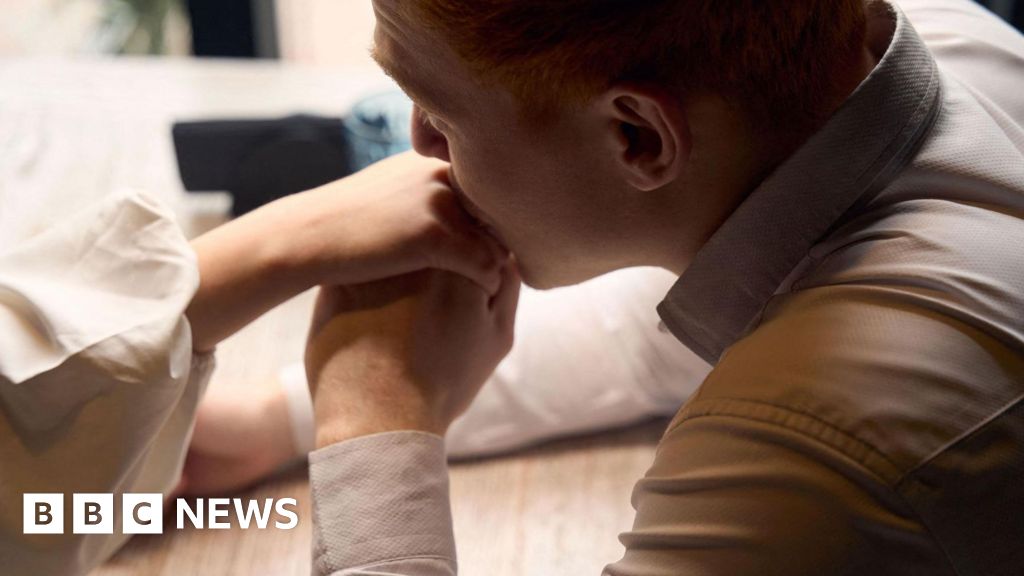
The case stemmed from an incident in which a man kissed a woman’s hand during a professional interaction. While the act might have been dismissed as trivial or culturally ambiguous in the past, the court’s ruling emphasized that the intent and context behind the behavior were decisive. The judges determined that the man’s actions were not incidental but carried a sexual undertone, violating the woman’s dignity and creating an uncomfortable environment.
This verdict marks a significant shift in how courts interpret harassment, moving beyond overtly aggressive actions to scrutinize subtler behaviors that perpetuate power imbalances and gender-based inequities. The ruling aligns with a global trend towards stricter enforcement of workplace conduct policies, particularly as societies grapple with the long-standing issue of sexual harassment in professional settings.
Global Context: A Push for Accountability
The Supreme Court’s decision arrives at a pivotal moment in the global discourse on workplace harassment. Over the past decade, movements like #MeToo and #TimesUp have exposed the pervasive nature of sexual misconduct across industries, from Hollywood to corporate boardrooms. These campaigns have empowered victims to come forward, challenging institutions to adopt zero-tolerance policies and hold perpetrators accountable.
Internationally, countries are enacting stricter laws to combat harassment. For instance, the European Union’s Directive on Work-Life Balance mandates measures to prevent gender-based violence and harassment, while nations like India have bolstered their legal frameworks to protect women in the workplace. However, enforcement remains inconsistent, and cultural attitudes often hinder progress.
The court’s ruling is particularly relevant in regions where traditional norms and power dynamics perpetuate harassment. By categorizing seemingly innocuous acts as inappropriate, the decision sets a precedent that could influence legal interpretations worldwide, encouraging victims to report misconduct and prompting employers to foster safer environments.
Why It Matters: Ripple Effects Across Borders
The implications of this ruling extend far beyond the courtroom. In an era of globalization, multinational corporations and remote workforces must navigate diverse cultural norms while upholding universal standards of respect and safety. This verdict sends a clear message that no behavior, however subtle, should undermine an individual’s dignity or create a hostile work environment.
For employers, the decision underscores the need for comprehensive training programs that address not only egregious misconduct but also the nuances of everyday interactions. It also highlights the importance of fostering a culture where employees feel empowered to speak out without fear of retaliation.
For policymakers, the ruling serves as a call to action to refine legal frameworks and ensure they are inclusive of all forms of harassment. It also emphasizes the necessity of international collaboration to harmonize standards and protect workers across borders.
Human Impact: A Step Towards Healing
At its core, this case is about people. The woman who endured the inappropriate gesture represents countless individuals who have faced similar experiences, often silenced by fear or societal pressure. The court’s acknowledgment of her suffering validates her experience and reinforces the principle that everyone deserves to work in an environment free from harassment.
For men, the ruling is a reminder to reflect on their behavior and its impact on others. It challenges outdated notions of masculinity and encourages a culture of mutual respect and accountability.
Closing Thoughts: A Defining Moment in the Fight for Equity
The Supreme Court’s decision is more than a legal verdict—it is a statement of values. By recognizing the harm caused by seemingly minor acts, the court has redefined the boundaries of acceptable behavior and set a powerful precedent for workplaces worldwide.
As societies continue to grapple with the complexities of gender equity and workplace safety, this ruling serves as a beacon of progress. It reminds us that true change requires vigilance, empathy, and a commitment to justice. In a world where boundaries are increasingly blurred, both geographically and culturally, this decision offers hope for a future where everyone can thrive without fear of harassment or discrimination.
The fight for equity is far from over, but with rulings like this, we move one step closer to a world where dignity and respect prevail.
