


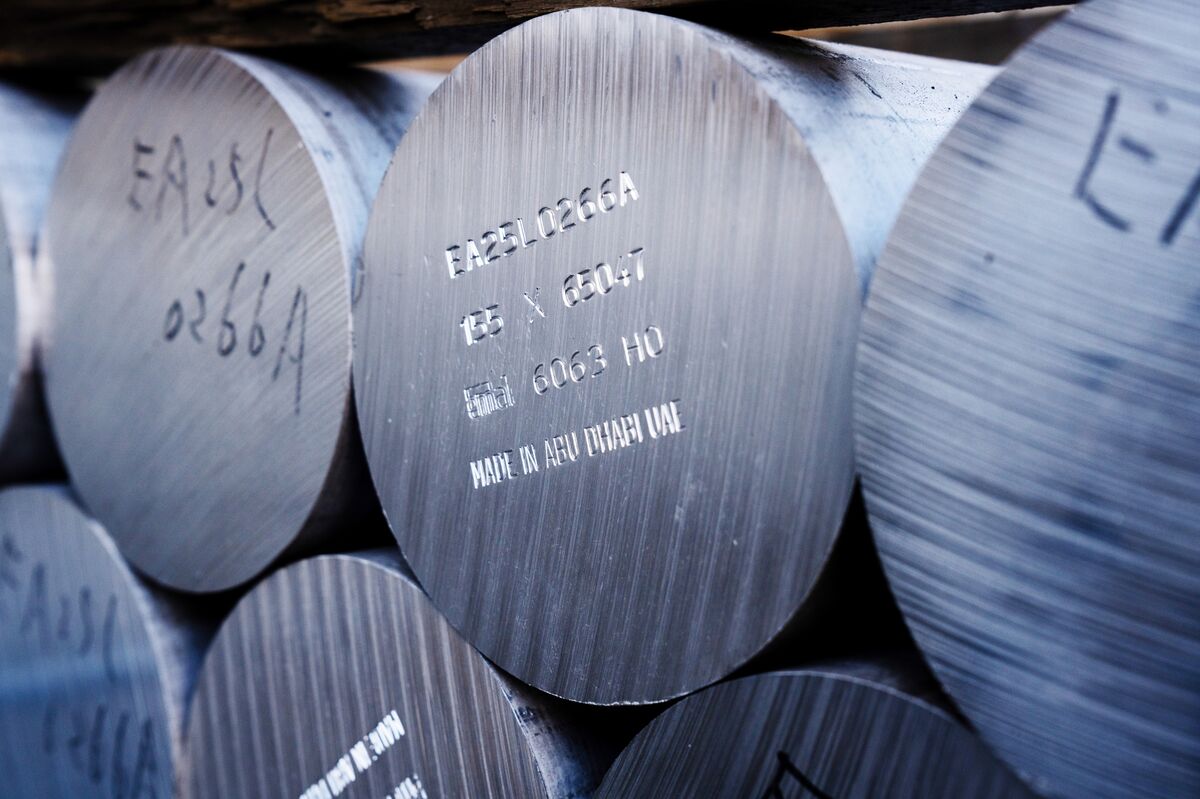

Aluminum Prices Surge to Near Eight-Year High Amid Middle East Conflict and Supply Disruptions
October 2023 — Aluminum prices are poised for their most significant monthly surge in nearly eight years, driven by escalating geopolitical tensions in the Middle East and disruptions to global supply chains. The ongoing conflict in the region has not only hampered production facilities but also intensified concerns about the availability of this critical industrial metal, which is essential for industries ranging from construction to renewable energy. As prices continue to climb, analysts warn that the ripple effects could be felt across global markets, exacerbating inflationary pressures and straining industries already grappling with tight supplies.
The Middle East Conflict and Its Impact on Aluminum Supply
The immediate catalyst for the aluminum price surge is the intensifying war in the Middle East, which has led to significant disruptions in production and logistics. Key aluminum smelters in the region have been forced to halt operations due to damaged infrastructure, power outages, and security concerns. Additionally, the conflict has disrupted shipping routes, delaying the delivery of raw materials and finished products. This has created a perfect storm for aluminum prices, which have soared by more than 20% in October alone—the sharpest monthly increase since early 2016.
The Middle East is a critical hub for aluminum production, housing some of the world’s largest smelters and exporting significant quantities to global markets. Countries like the United Arab Emirates, Bahrain, and Saudi Arabia are major players in the aluminum industry, leveraging their abundant energy resources to produce the metal at competitive costs. However, the current conflict has exposed the fragility of this supply chain, raising concerns about the long-term stability of aluminum production in the region.
Tightening Global Market Conditions
The supply disruptions in the Middle East come at a time when the global aluminum market was already under strain. Demand for aluminum has been steadily increasing, fueled by its widespread use in industries such as automotive manufacturing, construction, and renewable energy. Lightweight and highly conductive, aluminum is a key component in electric vehicles, solar panels, and wind turbines, making it indispensable for the global transition to greener energy sources.
However, supply has struggled to keep pace with this growing demand. Over the past few years, production has been hampered by factors such as energy price volatility, environmental regulations, and labor shortages. The COVID-19 pandemic further exacerbated these challenges, disrupting supply chains and causing significant delays in production and delivery. As a result, aluminum inventories have dwindled, leaving markets vulnerable to shocks like the current conflict in the Middle East.
Broader Implications for Global Markets
The surge in aluminum prices is expected to have far-reaching consequences for the global economy. Aluminum is a foundational material for countless products, and rising prices are likely to increase production costs for manufacturers, potentially leading to higher prices for consumers. Industries such as automotive manufacturing, aerospace, and packaging are particularly vulnerable, as aluminum is a critical input for these sectors.
The inflationary pressures from rising aluminum prices could also complicate efforts by central banks to stabilize economies. Many countries are already grappling with high inflation rates, driven by factors such as energy costs and supply chain disruptions. The latest surge in aluminum prices threatens to exacerbate this trend, making it more challenging for policymakers to achieve their inflation targets.
Furthermore, the geopolitical tensions driving this price spike highlight the vulnerabilities of global supply chains. Over the past decade, industries have increasingly relied on just-in-time production and globalized supply networks to reduce costs and improve efficiency. However, this model has proven susceptible to disruptions, whether from pandemics, trade disputes, or armed conflicts. The current crisis underscores the need for greater resilience in supply chains, including diversification of production sources and increased investment in domestic manufacturing capabilities.
Industry Responses and Future Outlook
In response to the tightening aluminum market, companies are exploring various strategies to mitigate the impact of rising prices. Some manufacturers are looking to alternative materials, such as composites or steel, although these substitutes often come with trade-offs in terms of performance or cost. Others are investing in recycling programs, as recycled aluminum requires significantly less energy to produce than primary aluminum and can help reduce dependence on mined bauxite ore.
Governments and industry leaders are also calling for increased investment in aluminum production capacity to address the growing demand. However, expanding production is a complex and time-consuming process, requiring significant capital investment and regulatory approvals. In the short term, markets are likely to remain volatile, with prices highly sensitive to developments in the Middle East and broader geopolitical dynamics.
Looking ahead, the trajectory of aluminum prices will depend on several factors, including the duration and intensity of the Middle East conflict, the pace of global economic growth, and the success of efforts to increase supply. While some analysts predict that prices could stabilize once the immediate supply disruptions are resolved, others caution that structural issues in the aluminum market—such as rising demand and limited production capacity—will continue to exert upward pressure on prices.
Conclusion
The ongoing surge in aluminum prices underscores the interconnectedness of global markets and the far-reaching impact of geopolitical instability. As the Middle East conflict disrupts production and tightens supply, industries around the world are grappling with the consequences, from higher costs to inflationary pressures. While efforts to mitigate these challenges are underway, the path to stability remains uncertain, highlighting the need for resilience and adaptability in an increasingly complex global economy. As the situation evolves, stakeholders across industries and governments will be closely watching how this critical metal shapes the economic landscape in the months and years to come.
