



Global Oil Markets Under Strain: Experts Warn Brent Crude Prices Fail to Reflect Geopolitical Realities
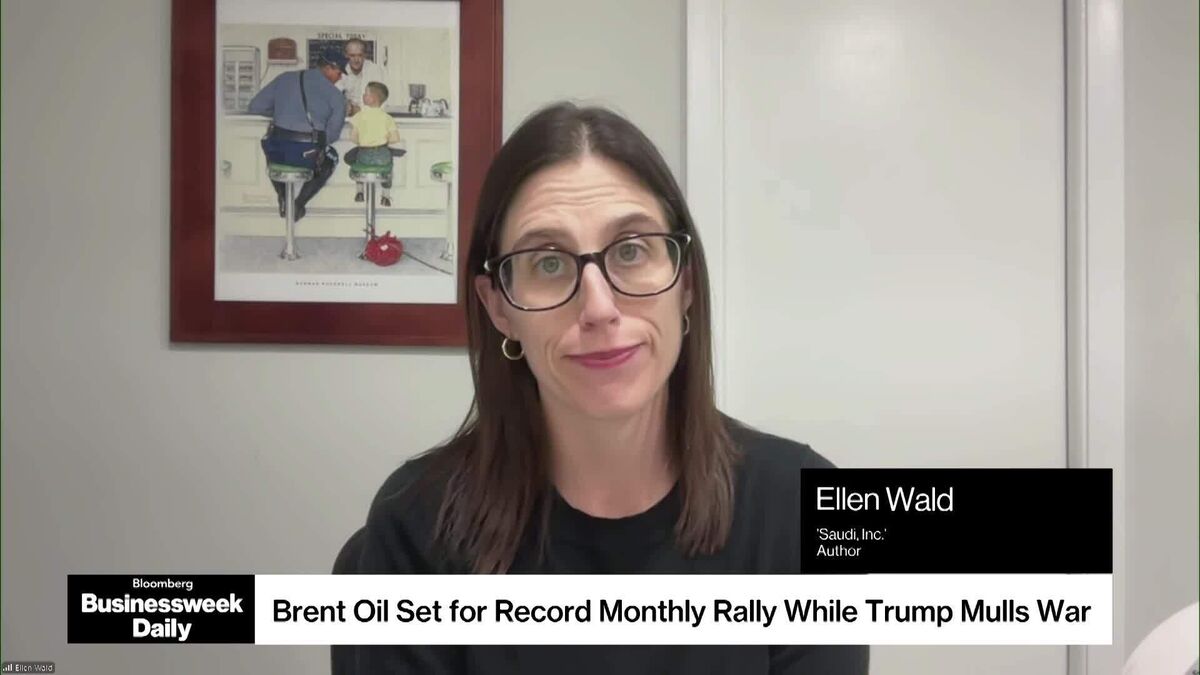
As global oil markets grapple with elevated prices fueled by geopolitical tensions, energy experts are sounding the alarm that current Brent crude valuations may not fully account for the escalating risks amid the ongoing conflict involving Iran. Ellen Wald, president of Transversal Consulting and a senior fellow at the Atlantic Council, argues that the $90-per-barrel benchmark fails to reflect the precariousness of the situation. Speaking exclusively to Bloomberg, Wald emphasized that North America, particularly the United States, has a critical opportunity to bolster its energy resilience by fostering greater interdependence with Canada and Mexico.
The global energy landscape has been in flux since Russia’s invasion of Ukraine in 2022, which triggered significant disruptions in oil and gas supply chains. The conflict in Ukraine has already exposed the vulnerabilities of Europe’s energy infrastructure, prompting a scramble for alternative sources. Now, with tensions rising between Iran and Western powers, the specter of another energy crisis looms large. Amid this backdrop, Wald’s insights shed light on the complexities of oil pricing mechanisms and the urgent need for strategic energy partnerships.
The Disconnect Between Prices and Geopolitical Risks
Brent crude, the international benchmark for oil prices, has hovered around $90 per barrel in recent weeks, driven by production cuts from OPEC+ nations and concerns over global demand. However, Wald contends that this figure does not adequately reflect the heightened geopolitical risks associated with the Iranian conflict. “The market is pricing in supply disruptions, but not to the extent that the situation warrants,” she explained. “If we consider the potential for further escalation, including the possibility of military strikes or sanctions on Iranian oil exports, prices should arguably be higher.”
Iran, a major player in the global oil market, has long been a focal point of geopolitical tensions. The country’s nuclear program and its involvement in regional conflicts have drawn the ire of Western powers, particularly the United States. Should these tensions escalate, the consequences for global oil supply could be severe. Iran holds some of the world’s largest oil reserves, and any disruption to its exports would send shockwaves through the market. Wald warns that the current pricing mechanism fails to account for these worst-case scenarios.
The Case for North American Energy Interdependence
Wald’s critique extends beyond market pricing to broader strategic considerations for energy security. She argues that the United States, while producing robust quantities of oil and gas domestically, remains exposed to global volatility due to its reliance on international markets. To mitigate this vulnerability, Wald advocates for stronger energy integration across North America, particularly with Canada and Mexico.
“The U.S. has already achieved significant progress in energy self-sufficiency, but there’s room to go further,” Wald noted. “By deepening our partnerships with Canada and Mexico, we can create a more resilient North American energy ecosystem that is less susceptible to external shocks.” Canada, home to vast oil sands reserves, and Mexico, a key producer of crude oil, are natural allies in this endeavor. Wald suggests that enhancing infrastructure, such as pipelines and refineries, and harmonizing regulatory frameworks could unlock synergies across the continent.
This vision aligns with broader trends in global energy policy, as countries increasingly prioritize regional cooperation over global interdependence. The European Union’s efforts to diversify energy supplies in the wake of the Ukraine crisis serve as a prime example. Similarly, North America has the potential to reduce its reliance on Middle Eastern oil by leveraging its own resources more effectively.
The Road Ahead: Challenges and Opportunities
While the idea of North American energy integration holds promise, it is not without challenges. Political differences, environmental concerns, and logistical hurdles all pose obstacles to closer collaboration. In Canada, for instance, debates over pipeline construction have sparked controversy, while Mexico’s state-owned oil company, Pemex, has struggled with inefficiencies and debt.
Moreover, the transition to renewable energy adds another layer of complexity. Governments worldwide are investing heavily in wind, solar, and other clean energy sources, raising questions about the long-term viability of fossil fuel investments. Wald acknowledges these dynamics but maintains that oil will remain a cornerstone of the global economy for years to come. “Even as we accelerate the shift to renewables, oil will continue to play a critical role,” she said. “Strengthening our domestic and regional energy infrastructure is essential to managing this transition.”
Broader Implications for Global Energy Security
Wald’s analysis underscores the interconnectedness of energy markets and geopolitics. The conflict in Ukraine has already demonstrated how regional disputes can have far-reaching consequences, disrupting supply chains and driving up prices worldwide. With tensions escalating in the Middle East, the stakes are even higher.
For the United States, the challenge lies in balancing its role as a global energy leader with its domestic priorities. While the country has emerged as a major exporter of oil and liquefied natural gas (LNG), its reliance on international markets exposes it to external risks. Greater North American energy integration could mitigate these vulnerabilities, but it requires sustained political will and investment.
Meanwhile, consumers worldwide continue to feel the pinch of high energy prices. From rising gasoline costs to increased electricity bills, the ripple effects of oil market volatility are profound. As governments grapple with these challenges, the need for comprehensive energy strategies has never been more urgent.
A Call for Pragmatism and Collaboration
In closing, Wald’s message is one of pragmatism and collaboration. While the global energy landscape is fraught with uncertainty, strategic partnerships and proactive policies can help navigate the turbulence. By fostering greater interdependence within North America and addressing the disconnect between oil prices and geopolitical risks, policymakers can build a more resilient energy future.
As the world watches the unfolding dynamics in the Middle East and beyond, the lessons of past crises serve as a stark reminder of the importance of preparedness. Whether through regional cooperation or innovative solutions, the path forward demands both vision and action. For now, the question remains: will the global community rise to the challenge, or will it be caught off guard once again?
