



Breaking News: U.S. Links Abduction Suspect to Iran-Backed Militia Group
The kidnapping highlights rising tensions in the Middle East and underscores the global implications of proxy conflicts.
A Sinister Web of Power and Conflict
In a chilling revelation that has sent shockwaves through diplomatic circles, the U.S. State Department has identified a suspect in a high-profile abduction case as having ties to Kataib Hezbollah, an Iran-backed militia group. This development not only raises urgent questions about the safety of individuals in volatile regions but also casts a stark light on the escalating geopolitical tensions between the United States and Iran. As the Middle East braces for another potential flashpoint, the world watches closely, aware that this incident could have far-reaching consequences for global security and diplomacy.
The Abduction and Its Implications
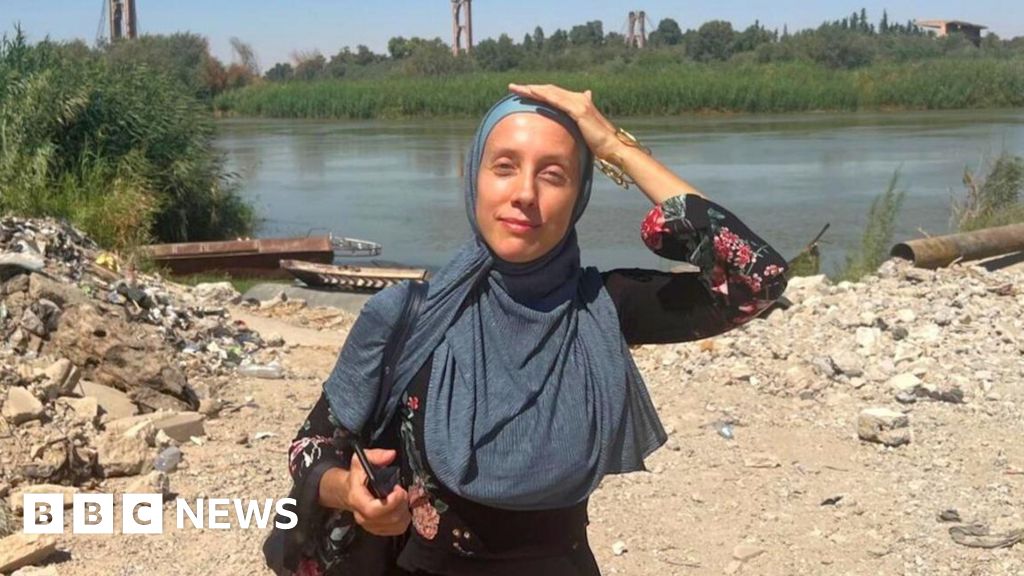
The abduction, details of which remain under investigation, reportedly involved a female victim whose identity and nationality have not been disclosed for security reasons. The suspect’s alleged affiliation with Kataib Hezbollah, a Shiite militia group designated as a terrorist organization by the U.S., has intensified scrutiny on Iran’s role in destabilizing the region.
Kataib Hezbollah has long been accused of carrying out attacks on U.S. forces and allies in Iraq, operating as a proxy for Iran’s Islamic Revolutionary Guard Corps (IRGC). The group’s involvement in this abduction suggests a broader strategy by Tehran to exert influence through covert and overt means. This incident serves as a grim reminder of the dangers faced by civilians and foreign nationals in conflict zones, where militias often operate with impunity.
Global Context: Proxy Conflicts and Power Struggles
The Middle East has been a battleground for proxy wars for decades, with Iran and the United States often on opposing sides. Iran’s support for groups like Kataib Hezbollah is part of a broader strategy to extend its influence across the region, countering American and Saudi-backed forces. This tug-of-war has fueled instability in countries like Iraq, Syria, and Yemen, where local populations bear the brunt of violence and displacement.
The abduction case also comes at a time of heightened tensions between Washington and Tehran. Recent months have seen a series of incidents, including attacks on oil tankers in the Gulf and strikes on U.S. military bases in Iraq, raising fears of a potential escalation. Against this backdrop, the State Department’s announcement serves as a sobering reminder of the fragility of the region’s security landscape.
Why This Matters Globally
The implications of this abduction extend far beyond the Middle East. In an interconnected world, where conflicts in one region can reverberate across borders, the involvement of an Iran-backed militia group underscores the global stakes of these power struggles.
For the United States, this incident highlights the challenges of countering Iran’s influence while avoiding direct confrontation. It also raises questions about the effectiveness of sanctions and diplomatic efforts aimed at curbing Tehran’s activities.
For the international community, the abduction is a stark reminder of the human cost of proxy wars and the urgent need for multilateral efforts to address root causes of instability. It also underscores the importance of protecting civilians and ensuring accountability for those who violate international law.
The Human Toll of Geopolitical Conflict
Behind the headlines and diplomatic maneuvers lies a deeply personal story of a victim caught in the crossfire of global politics. Abductions like this one are not isolated incidents; they are part of a broader pattern of violence and intimidation that affects countless individuals living in conflict zones.
The victim’s ordeal, though currently shrouded in secrecy, serves as a poignant reminder of the real-world consequences of geopolitical rivalries. It also highlights the resilience of those who endure such trials and the need for concerted efforts to bring perpetrators to justice.
Looking Ahead: Navigating a Precarious Landscape
As the investigation unfolds, the focus will be on how the United States and its allies respond to this latest provocation. Any misstep could further inflame tensions, while a measured approach could open the door to dialogue and de-escalation.
For Iran, the incident presents both an opportunity and a risk. While Tehran may view such actions as a way to assert its influence, it also risks alienating the international community and facing increased pressure.
A Call for Vigilance and Action
In a world where conflicts are increasingly complex and interconnected, the abduction linked to Kataib Hezbollah is more than a regional issue—it is a global concern. It underscores the urgent need for diplomacy, accountability, and a renewed commitment to protecting the vulnerable.
As the international community grapples with this latest development, one thing is clear: the choices made in the coming days and weeks will have profound implications for global peace and security. The stakes could not be higher, and the time for action is now.
