


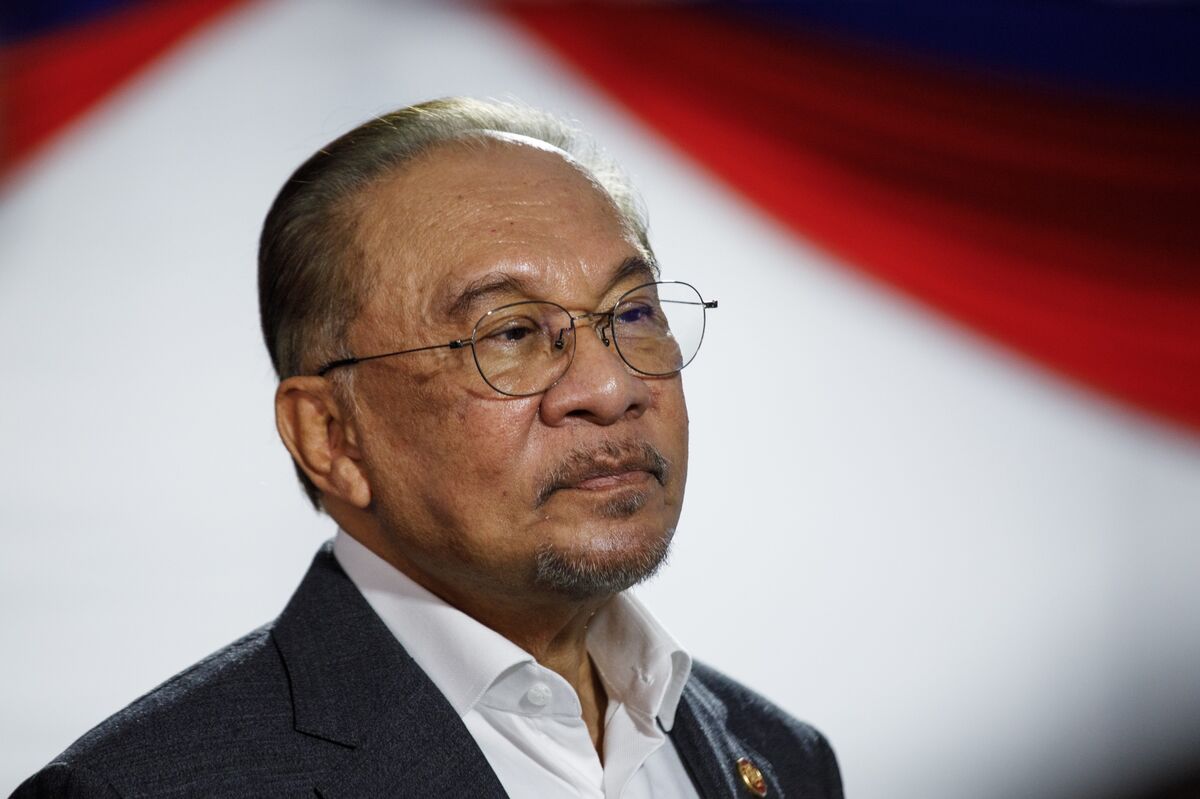

Malaysian PM Calls for Crackdown on Misinformation Amid Global Energy Crisis
KUALA LUMPUR, Malaysia – In a stern address to the nation, Malaysian Prime Minister Anwar Ibrahim has urged law enforcement agencies to intensify efforts against the spread of misinformation regarding fuel and electricity prices. The move comes as Malaysia grapples with the ripple effects of a global energy crisis, which has sparked public concern over rising costs and economic instability.
Speaking at a press conference in the capital on Thursday, Anwar emphasized the government’s commitment to transparency while warning against the dangers of “false claims” that could undermine public trust. “The dissemination of inaccurate information, especially on critical issues like energy prices, is not only irresponsible but also detrimental to our nation’s stability,” he said. The Prime Minister’s remarks highlight the growing pressure on governments worldwide to address misinformation in an era of rapid digital communication and heightened economic uncertainty.
The Global Energy Context
The backdrop to Anwar’s announcement is a global energy landscape characterized by volatility. Since Russia’s invasion of Ukraine in February 2022, international markets have been roiled by supply disruptions, inflationary pressures, and escalating geopolitical tensions. For Malaysia, a net exporter of oil and gas, the crisis has manifested in fluctuating commodity prices and supply chain challenges. Despite the country’s relative insulation from direct energy shortages, the government has faced mounting criticism over rising living costs, particularly fuel and electricity tariffs.
Experts note that Malaysia’s energy sector, while robust, is not immune to global shocks. The country relies heavily on petroleum exports, which account for a significant portion of its GDP. However, fluctuating crude oil prices and increasing production costs have forced the government to reconsider its subsidies and pricing strategies. This has led to debates over affordability and the distribution of resources, creating fertile ground for misinformation.
The Misinformation Challenge
In recent months, social media platforms and messaging apps in Malaysia have become hotbeds of speculation and false claims about impending fuel or electricity price hikes. Some posts have alleged covert government plans to drastically increase tariffs, while others have spread conspiracy theories about mismanagement of energy resources. These narratives, often amplified by anonymous accounts, have fueled public anxiety and sparked protests in some regions.
Anwar’s call for action against misinformation reflects a broader recognition of its potential to destabilize societies. “We cannot allow false narratives to dictate public sentiment or erode confidence in our institutions,” he said. The Prime Minister did not specify the nature of the enforcement measures but hinted at stricter monitoring of social media platforms and legal consequences for those found spreading false information.
The Malaysian government has already taken steps to counteract misinformation. In January, the Communications and Multimedia Ministry launched a campaign to promote digital literacy and encourage citizens to verify information before sharing it. However, critics argue that such initiatives are insufficient in the face of rapidly evolving disinformation tactics.
Public Reaction and Political Implications
Anwar’s announcement has drawn mixed reactions from the public and political analysts. Supporters laud the government’s proactive stance, arguing that misinformation poses a serious threat to national security and social cohesion. “The government has a responsibility to ensure that accurate information reaches the public,” said political analyst Dr. Lim Chee Han. “In times of crisis, clarity is essential.”
However, some opposition leaders and civil society groups have expressed concern over potential overreach. They warn that stricter enforcement could be used to suppress dissent or silence legitimate criticism. “While combating misinformation is important, any measures must be transparent and proportionate,” said Nurul Izzah Anwar, a prominent opposition figure and former Member of Parliament.
The Malaysian government’s approach to misinformation also raises questions about its broader strategy for economic recovery. As inflation and rising costs continue to strain households, analysts suggest that more robust policy interventions may be needed to address the root causes of public discontent.
A Global Perspective
Malaysia is not alone in facing the dual challenges of energy volatility and misinformation. Across the globe, governments are grappling with similar issues as they navigate the fallout from the energy crisis. In Europe, for instance, governments have introduced measures to counter false claims about energy shortages and price controls. Meanwhile, in the United States, authorities have worked to debunk myths surrounding renewable energy and fossil fuel policies.
The Malaysian case underscores the interconnected nature of these challenges. As economic pressures mount, the spread of misinformation can exacerbate public fear and complicate policymaking. For Anwar’s administration, the stakes are particularly high. Since taking office in November 2022, the Prime Minister has sought to position himself as a reformist leader committed to transparency and accountability. Addressing the energy crisis and its associated challenges will be a critical test of his leadership.
Looking Ahead
As Malaysia braces for further uncertainties in the global energy market, the government’s ability to communicate effectively and counter misinformation will be crucial. Anwar’s call for stricter enforcement signals a shift towards a more assertive approach, but questions remain about its implementation and impact.
For now, the Prime Minister’s message is clear: misinformation is a threat to national stability, and decisive action is needed to protect public confidence. “In these challenging times, we must come together as a nation,” Anwar said. “Let us not be swayed by falsehoods, but instead focus on finding solutions to the issues we face.”
As Malaysia navigates the complexities of the global energy crisis, the balance between curbing misinformation and safeguarding freedom of expression will remain a delicate and pressing concern.
