



Global Markets Rattled as Trump’s Iran Remarks Fuel Inflation Concerns and Treasury Sell-Off
Global financial markets experienced significant turbulence on Tuesday as U.S. Treasury yields surged across the curve following President Donald Trump’s bellicose remarks on Iran. The President’s prime-time address, which underscored escalating tensions in the Middle East, sent oil prices higher and reignited fears of inflationary pressures. Investors, already grappling with uncertainty over global trade and economic growth, reacted swiftly, dumping government bonds and recalibrating their portfolios in anticipation of potential macroeconomic disruptions.
The sell-off in Treasuries, which saw yields rise sharply from short-term notes to long-term bonds, reflects deepening anxiety among market participants. The benchmark 10-year Treasury yield climbed to its highest level in months, while the 30-year bond yield also spiked, signaling a broad-based retreat from safe-haven assets. This shift comes amid renewed concerns that geopolitical instability in the Middle East could lead to sustained increases in energy costs, further complicating the Federal Reserve’s efforts to manage inflation.
Trump’s Provocative Address Sparks Market Reaction
In a televised speech late Monday, President Trump adopted a confrontational stance toward Iran, vowing to impose “major” sanctions and warning of severe consequences if Tehran continued its aggressive actions. The President’s remarks followed a series of escalating incidents in the Persian Gulf, including attacks on oil tankers and the downing of a U.S. drone, which have heightened tensions between the two nations.
Trump’s rhetoric, perceived as a potential precursor to further escalation, prompted an immediate response in the commodities market. Brent crude futures surged by more than 3%, briefly surpassing the $65 per barrel threshold, while U.S. West Texas Intermediate (WTI) crude also rose sharply. The spike in oil prices, coupled with fears of supply disruptions, injected fresh volatility into global markets, which had been enjoying a period of relative calm.
Inflation Fears Take Center Stage
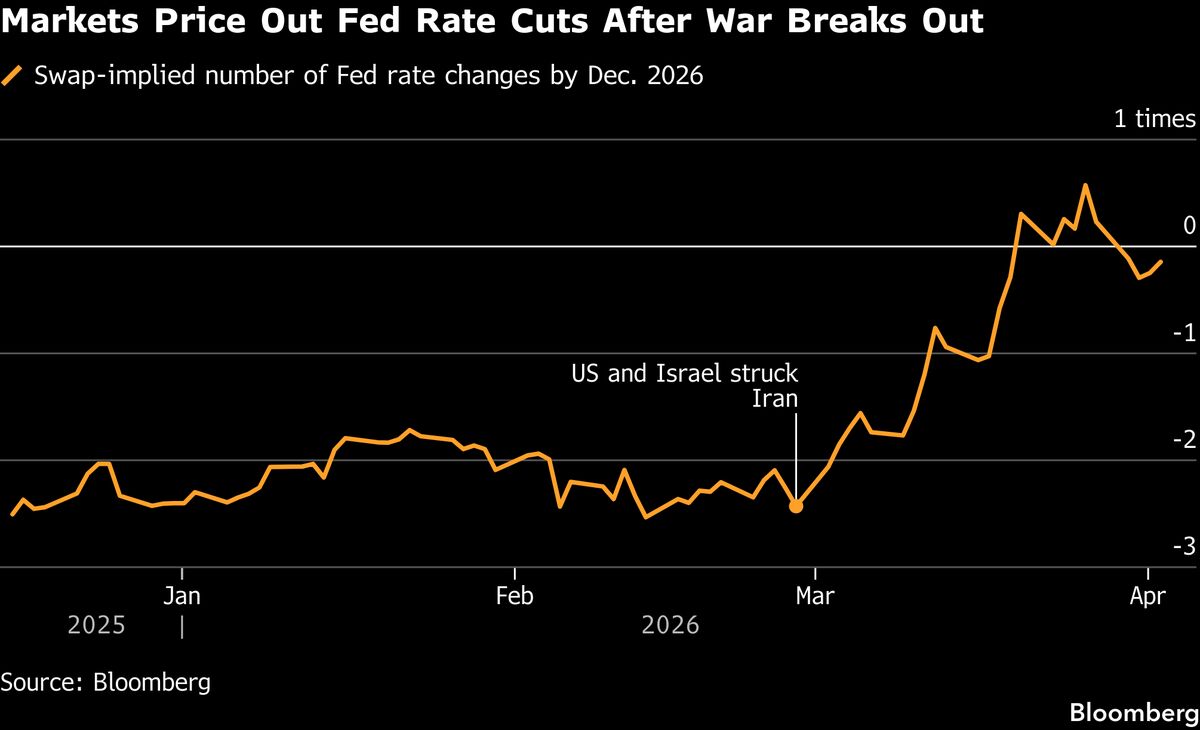
The rise in energy prices reignited concerns about inflationary pressures, a key worry for central banks and investors alike. Higher oil prices typically translate into increased costs for transportation, manufacturing, and consumer goods, which can cascade through the economy and push inflation higher. For the Federal Reserve, which has pivoted toward a more dovish stance in recent months, the prospect of rising inflation complicates its monetary policy outlook.
Federal Reserve Chair Jerome Powell has repeatedly emphasized the central bank’s commitment to sustaining economic expansion, but persistent inflation could force policymakers to reconsider their accommodative approach. This uncertainty has contributed to the sell-off in Treasuries, as investors weigh the potential for higher interest rates in the future.
“The combination of geopolitical risks and inflationary pressures is creating a challenging environment for fixed-income investors,” said Jane Doe, chief economist at Global Markets Insights. “The Fed is walking a tightrope, trying to balance growth concerns with the need to keep inflation in check.”
Broader Market Implications
The turbulence in the bond market rippled across other asset classes, with U.S. equity markets also experiencing losses. The S&P 500 and Dow Jones Industrial Average both dipped, driven by declines in energy and industrial stocks. Meanwhile, the dollar strengthened against a basket of currencies as investors sought safety in the greenback.
Internationally, the impact was similarly pronounced. European markets opened lower, with Germany’s DAX and France’s CAC 40 indices both shedding value. Asian markets, which had closed before the President’s speech, also faced pressure in subsequent trading sessions.
The volatility underscores the interconnected nature of global markets and the far-reaching consequences of geopolitical developments. “Investors are reminded once again that geopolitical risks can have immediate and significant effects on financial markets,” said John Smith, a senior strategist at International Investment Bank. “In today’s environment, no market is immune.”
Historical Context and Geopolitical Risks
The latest tensions between the U.S. and Iran are part of a broader pattern of instability in the Middle East, a region long characterized by conflict and geopolitical rivalries. The Trump administration’s decision to withdraw from the 2015 Iran nuclear deal and reimpose sanctions has exacerbated tensions, leading to a series of confrontations that threaten to escalate into a broader conflict.
Historically, geopolitical crises in the Middle East have had profound implications for global markets, particularly through their impact on oil prices. The 1973 oil embargo, the Gulf War in the early 1990s, and the Iraq War in 2003 all triggered significant market volatility, underscoring the region’s critical role in the global economy.
Today, with global growth already slowing and central banks running low on policy tools, the stakes are arguably even higher. Any sustained increase in oil prices could weigh on consumer spending and corporate profits, further dampening economic prospects.
Looking Ahead
As markets digest the implications of Trump’s remarks, attention will remain focused on developments in the Middle East and their potential impact on global energy supplies. Investors will also closely monitor upcoming data releases, including the Federal Reserve’s next policy meeting, for clues on the central bank’s response to shifting economic conditions.
In the meantime, the sell-off in Treasuries serves as a stark reminder of the fragility of market sentiment in an era defined by geopolitical uncertainty and economic complexity. Whether this represents a temporary correction or the beginning of a more sustained shift remains to be seen, but one thing is clear: the interplay between geopolitics and markets will continue to shape the global economic landscape in the months ahead.
As one analyst aptly put it, “In today’s interconnected world, the ripple effects of geopolitical events are felt far beyond their point of origin—investors would do well to brace for further turbulence.”
