



Israel’s Escalating Offensive in Lebanon Sparks Fears of Regional War
A New Front Opens in the Middle East
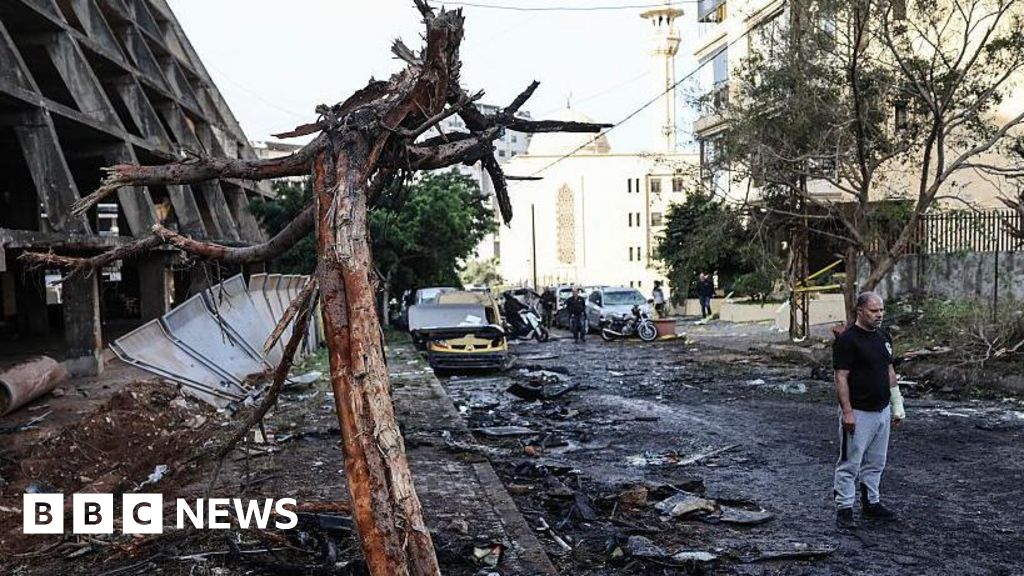
Smoke billows over southern Lebanon as Israeli airstrikes pound villages near the border, marking a dangerous escalation in a conflict that risks spiraling into a broader regional war. Israel has declared its intention to seize control of large sections of southern Lebanon, a move that threatens to reignite hostilities with Hezbollah and destabilize an already volatile Middle East. The latest strikes come amid heightened tensions following months of cross-border clashes, raising fears that a full-scale confrontation could draw in Iran, the United States, and other global powers.
Expanding the Battlefield: Israel’s Strategic Shift
Israeli military officials have confirmed plans to establish a “security buffer zone” inside Lebanese territory, citing persistent rocket attacks by Hezbollah, the Iran-backed militant group entrenched in the region. This strategy mirrors Israel’s operations in Gaza but carries far greater geopolitical risks. Southern Lebanon has long been a flashpoint, with Hezbollah maintaining a formidable arsenal capable of striking deep into Israeli cities.
The decision to push into Lebanon follows months of tit-for-tat exchanges that have displaced tens of thousands on both sides of the border. Analysts warn that an outright Israeli occupation—even if temporary—could provoke a devastating response from Hezbollah, which has vowed to retaliate against any territorial incursions.
Global Implications: A Powder Keg Ignites
The conflict extends far beyond Israel and Lebanon. The Middle East is already grappling with the fallout from the Gaza war, Houthi attacks on Red Sea shipping, and escalating U.S.-Iran tensions. A full-blown Israel-Hezbollah war would strain fragile diplomatic efforts, disrupt global energy markets, and test the limits of American and European influence in the region.
For Washington, the stakes are particularly high. The Biden administration has repeatedly urged restraint, fearing another costly entanglement in the Middle East. Yet Israel’s latest offensive suggests a potential divergence in strategy, with Prime Minister Benjamin Netanyahu under domestic pressure to deliver security after the October 7 Hamas attacks. Meanwhile, Iran—Hezbollah’s chief sponsor—faces a dilemma: escalate and risk direct conflict with Israel and the U.S., or rein in its proxy and lose credibility.
Human Toll: Civilians Caught in the Crossfire
Southern Lebanon’s residents, many of whom fled during the 2006 Israel-Hezbollah war, now face another wave of displacement. Villages near the border have become ghost towns, with those remaining describing nights shattered by airstrikes and artillery fire. On the Israeli side, towns like Kiryat Shmona have been repeatedly evacuated, their residents living under the constant threat of Hezbollah’s rockets.
International aid groups warn of a looming humanitarian crisis. Lebanon’s economy, already in freefall, cannot absorb another war. Hospitals near the conflict zone report shortages of medical supplies, while the UN pleads for safe corridors to deliver aid. “This isn’t just a military confrontation—it’s a disaster for ordinary people,” said one Red Cross official on the ground.
Historical Context: Why Lebanon Remains a Tinderbox
Lebanon’s southern border has been a battleground for decades. Hezbollah emerged in the 1980s as a resistance force against Israel’s occupation, later evolving into a political and military powerhouse. The 2006 war left deep scars, with both sides avoiding large-scale conflict since—until now.
Today, Hezbollah is stronger than ever, boasting an estimated 150,000 missiles and drones. Israel, determined to prevent another October 7-style surprise, appears unwilling to tolerate this threat. Yet history suggests that military solutions in Lebanon often backfire. Past interventions, including Israel’s 18-year occupation (1982–2000), failed to bring lasting security and fueled Hezbollah’s rise.
What Comes Next: Diplomacy or Disaster?
Efforts to de-escalate are underway, with French and U.S. envoys shuttling between Beirut and Jerusalem. However, neither Israel nor Hezbollah has shown willingness to stand down unconditionally. A temporary ceasefire in Gaza could ease tensions, but long-term stability hinges on addressing Hezbollah’s arsenal and Israel’s security demands—a near-impossible balance.
For now, the world watches nervously. Oil prices have ticked upward on fears of a wider war, and European leaders are bracing for potential refugee flows. The UN Security Council has called for restraint, but its influence is limited. As one Western diplomat grimly noted, “The Middle East is one miscalculation away from explosion.”
A Region on the Brink
The flames of war are flickering at Israel’s northern border, and the international community has limited time to extinguish them. Whether through diplomacy or force, the next steps will shape not only the fate of Lebanon and Israel but the security of the entire Middle East. In an era of interconnected crises, a new regional war would send shockwaves far beyond the Levant—reminding the world that some conflicts refuse to stay contained.
