



Indonesia Defers Fuel Price Hike Amid Economic Uncertainty, Citing Growth and Stability Concerns
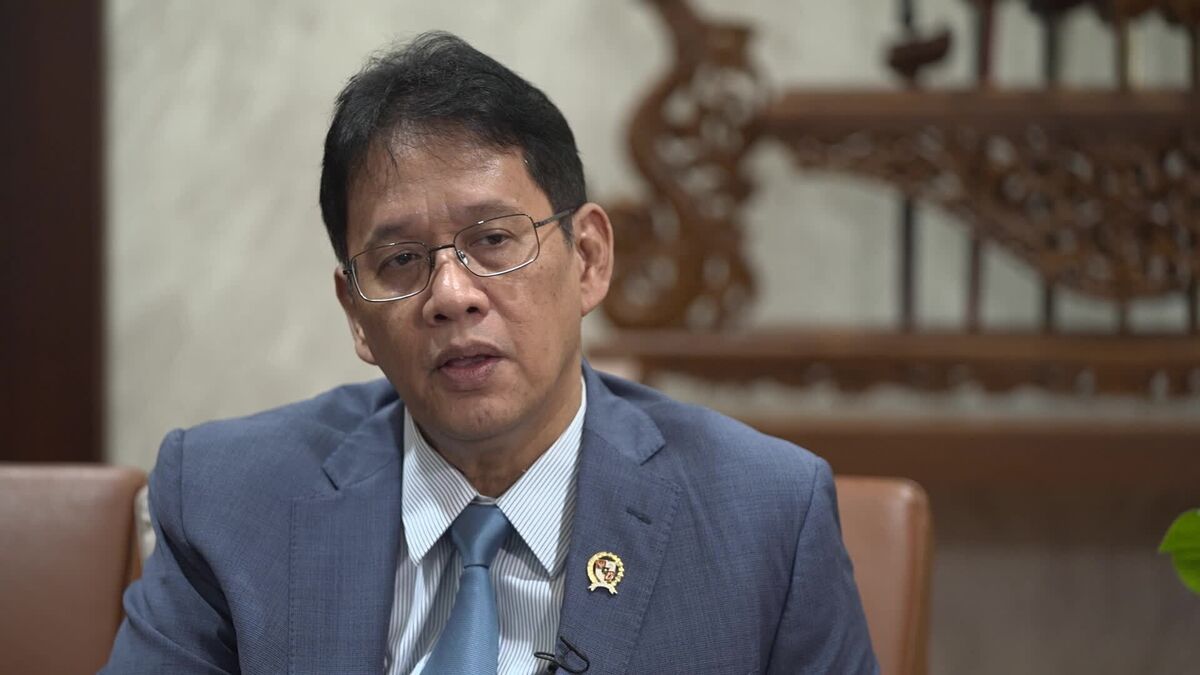
Jakarta, Indonesia – In a move that underscores the delicate balance between economic pragmatism and social welfare, Indonesia has opted to postpone any increase in subsidized fuel prices despite mounting global oil market pressures. The decision comes as nations worldwide grapple with energy shocks exacerbated by geopolitical tensions, including the ongoing conflict involving Iran. Finance Minister Purbaya Yudhi Sadewa emphasized that raising fuel costs now could stifle economic recovery and trigger unrest in Southeast Asia’s largest economy.
Global Oil Volatility Meets Domestic Realities
The global energy landscape remains fraught with uncertainty. Crude oil prices have swung wildly in recent months, driven by supply disruptions, OPEC+ production cuts, and escalating Middle Eastern tensions. For net fuel importers like Indonesia, these fluctuations pose acute challenges. The country’s subsidized fuel program has long been a lifeline for its 270 million citizens, particularly low-income households and small businesses already strained by post-pandemic inflation.
Minister Sadewa’s announcement reflects a calculated gamble: absorbing short-term fiscal pain to avoid long-term socio-economic fallout. “Protecting purchasing power is non-negotiable,” he stated during a press briefing in Jakarta. “We cannot risk derailing growth or alienating vulnerable communities.” The government estimates that maintaining current price ceilings will cost an additional $3.8 billion this fiscal year—a significant burden, but one deemed preferable to potential upheaval.
A History of Fuel Subsidies and Their Political Weight
Indonesia’s fuel subsidies are more than an economic policy—they are a political lightning rod. Past attempts to reduce subsidies have sparked violent protests, most notably in 2013 and 2015 when price adjustments led to nationwide demonstrations. The current administration, led by President Joko Widodo, is acutely aware of this history. With elections looming in 2024, the political calculus is clear: stability trumps austerity.
Analysts note that Indonesia’s fiscal resilience provides some buffer. Strong commodity exports, particularly palm oil and nickel, have bolstered state coffers, allowing temporary subsidy retention. However, economists warn that prolonged reliance on subsidies could distort markets, discourage renewable energy investment, and exacerbate budget deficits if oil prices continue climbing.
Regional and Global Implications
Indonesia’s dilemma mirrors challenges faced by emerging economies worldwide. India, Thailand, and Malaysia have similarly wrestled with subsidy reforms amid inflationary pressures. The International Monetary Fund (IMF) has repeatedly urged nations to phase out energy subsidies, arguing they disproportionately benefit wealthier consumers and drain public resources. Yet, as Indonesia’s case illustrates, implementation is fraught with political and social risks.
The deferred price hike also highlights broader energy security concerns. With Iran—a key oil producer—embroiled in conflict, supply chain vulnerabilities loom large. Jakarta’s decision to prioritize stability over fiscal tightening may embolden other nations to follow suit, potentially delaying much-needed energy transitions.
The Road Ahead: Short-Term Relief vs. Long-Term Reform
While the subsidy extension offers immediate relief, it postpones inevitable reforms. Experts urge the government to pair price controls with targeted social assistance, such as direct cash transfers, to cushion the poor without distorting energy markets. “Band-Aid solutions won’t suffice,” said energy analyst Lili Wahid. “Indonesia needs a coherent strategy to diversify energy sources and improve efficiency.”
For now, the Widodo administration walks a tightrope. Global oil markets show no signs of stabilizing, and domestic inflation—though easing—remains above central bank targets. The coming months will test whether Indonesia’s stopgap measures can sustain economic momentum without triggering fiscal or social crises.
Conclusion: A Calculated Pause in Turbulent Times
Indonesia’s choice to delay fuel price increases underscores the complex interplay between global energy shocks and local stability. As Minister Sadewa put it: “Economic policy must serve the people, not just balance sheets.” The world will be watching whether this temporary reprieve evolves into sustainable reform—or merely kicks the can down the road.
