


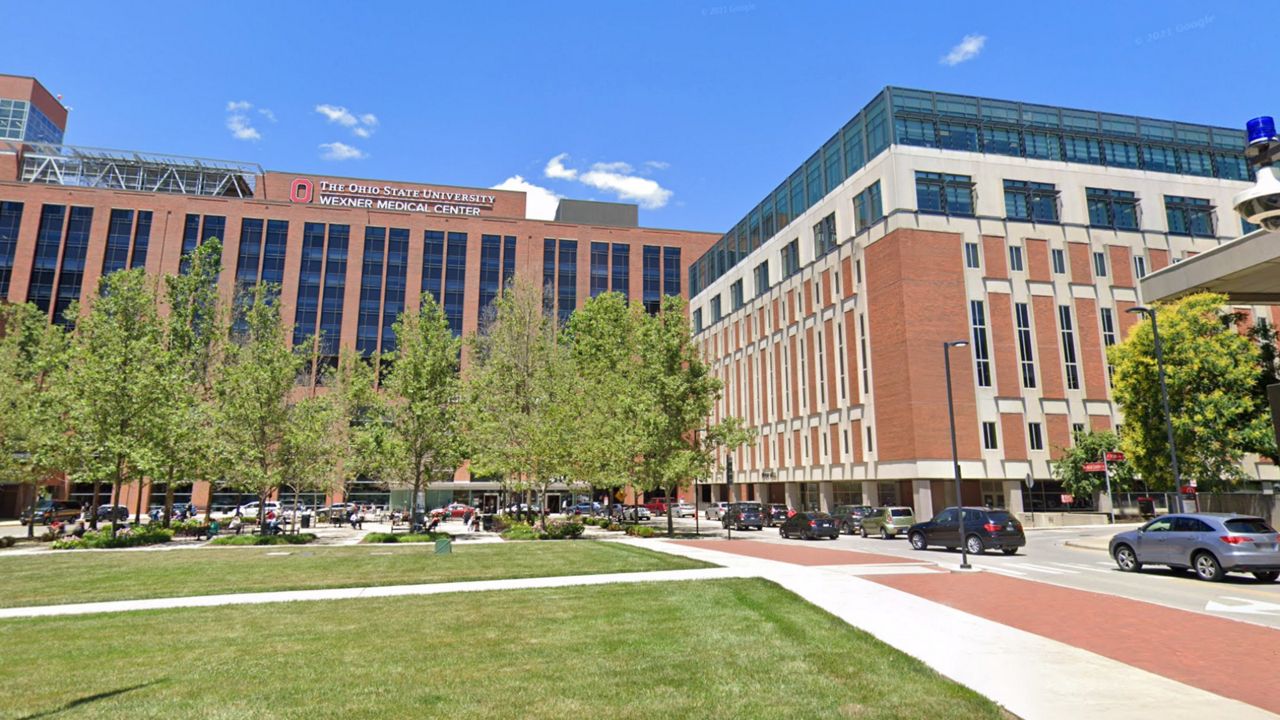

Ohio State Wexner Medical Center Advances Workplace Safety with New Initiatives and Training Programs
COLUMBUS, Ohio — The Ohio State Wexner Medical Center has unveiled its latest workplace safety report, highlighting significant strides in employee training, security measures, and proactive crisis prevention. The biannual report, released by the Workplace Safety Steering Committee, covers progress made from July to December 2025 and outlines key priorities for the coming year.
Training and Crisis Prevention Take Center Stage
One of the standout achievements in the report is the expansion of crisis prevention and de-escalation training. Since the last update, an additional 500 employees from various departments, including RNs, patient care technicians, and students, have completed the training. This brings the total number of trained staff to 1,100. The program equips employees with the skills to handle potentially volatile situations, ensuring safer environments for both staff and patients.
“The increase in trained personnel reflects our commitment to fostering a culture of safety,” the report states. “Proactively engaging security teams before situations escalate is a cornerstone of our strategy.”
Weapons Screening: A Critical Safeguard
Weapons screening at emergency departments has also been a focal point. Since 2020, nearly 1 million screenings have been conducted at the University Hospital Emergency Department entrance. While 97% of these screenings revealed no prohibited items, 32,201 instances involved confiscated items. Similarly, at the East Hospital Emergency Department entrance, more than 559,000 screenings were performed, with 98% free of prohibited items. However, 13,944 screenings identified prohibited items.
The majority of confiscated items were knives, blades, stun guns, and pepper spray, accounting for over 95% of all cases. Notably, 428 firearms were detected across both locations during the six-year period.
In a bid to bolster security, AI-powered weapons detectors were installed at inpatient hospital public entrances in August 2025. By December, these detectors had screened 1.2 million individuals, identifying 2,201 prohibited items.
Proactive Security Measures Pay Off
The report emphasizes the importance of proactive security engagement. Of the clinical support calls logged, 55% were classified as “standbys,” where security teams were called due to concerns about potential escalation. This approach underscores a shift toward preventing incidents before they occur.
“This trend reflects a strong safety culture across care settings, focused on preventing situations from escalating,” the report notes.
Priorities for 2025
Looking ahead, the Ohio State Wexner Medical Center has outlined several priorities to further enhance workplace safety:
- Expanding crisis prevention and de-escalation training programs.
- Strengthening a culture of safety and accountability through action plans developed by frontline staff.
- Standardizing follow-up procedures for workplace violence incidents.
- Conducting workplace violence drills and tabletop exercises.
- Upgrading staff-assist technology to improve response times.
- Enhancing the environment in Emergency Departments to reduce risks.
- Establishing defined performance measures and reporting standards.
- Conducting risk-based assessments for weapons screening in ambulatory settings.
These initiatives aim to create a safer, more secure environment for both employees and patients, reinforcing the medical center’s commitment to workplace safety.
The full report is available for public review, offering detailed insights into the medical center’s ongoing efforts and future plans.
— Reported by Nexio News
