



U.S. Issues Stark Warning to Iran: Escalation Looms Over Critical Infrastructure Strikes
The world holds its breath as tensions between Washington and Tehran reach a dangerous new precipice, with the U.S. threatening devastating strikes on Iran’s vital infrastructure unless immediate concessions are made. The ultimatum, delivered by former President Donald Trump, underscores a volatile chapter in a decades-long standoff—one that could plunge the Middle East into further chaos and send shockwaves through global energy markets and diplomatic circles.
A Dire Ultimatum: Targeting Iran’s Lifelines
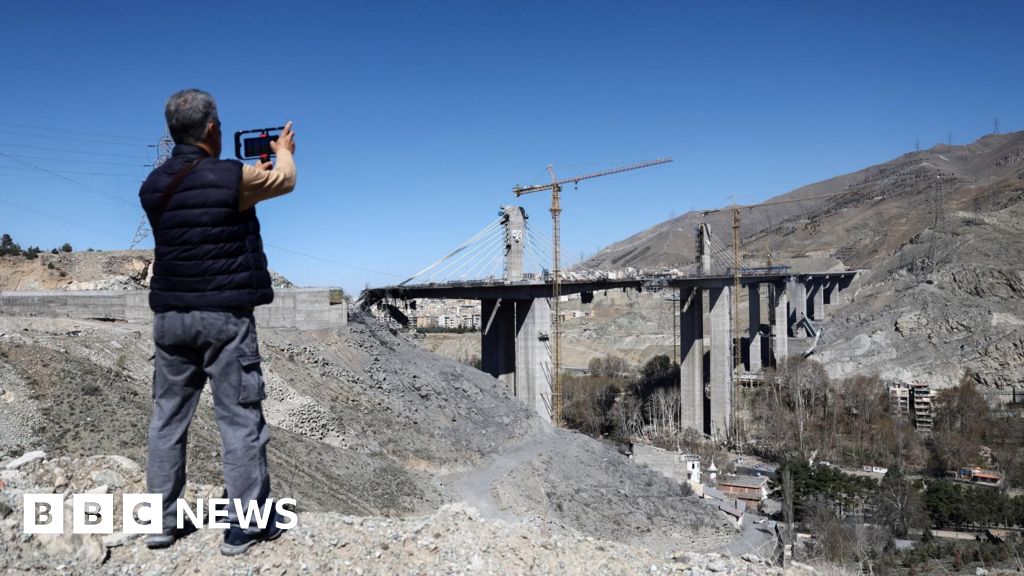
In a stark warning that has reignited fears of a broader regional conflict, former U.S. President Donald Trump declared that Iran’s bridges, power plants, and other critical infrastructure could face military strikes unless its leadership complies with American demands to end hostilities. The threat, delivered amid already heightened tensions, marks a significant escalation in rhetoric—one that analysts warn could translate into devastating real-world consequences.
While Trump did not specify the exact terms Iran must meet, the implied message is clear: surrender to U.S. pressure or face the obliteration of key civilian and economic structures. Such a move would not only cripple Iran’s domestic stability but also risk triggering a humanitarian catastrophe, with millions potentially left without electricity, clean water, or functioning transport networks.
Global Context: A Decades-Long Standoff on the Brink
The U.S. and Iran have been locked in a tense geopolitical struggle since the 1979 Islamic Revolution, but recent years have seen relations deteriorate further. The collapse of the 2015 nuclear deal (JCPOA), targeted assassinations of Iranian officials, and retaliatory attacks on oil facilities and U.S. bases have kept the region on edge.
Iran’s nuclear ambitions remain a flashpoint, with Western intelligence agencies warning that Tehran is enriching uranium closer than ever to weapons-grade levels. Meanwhile, Iran-backed militias continue to exert influence across Iraq, Syria, and Yemen, complicating U.S. and allied efforts to stabilize the region.
Trump’s latest warning echoes his administration’s “maximum pressure” campaign, which sought to force Iran into submission through sanctions and military posturing. However, experts caution that directly targeting civilian infrastructure—a tactic historically associated with severe humanitarian fallout—could cross a dangerous threshold, inviting international condemnation and potential retaliation.
Why This Matters: Global Repercussions of Escalation
The stakes extend far beyond the Middle East. Iran is a major oil producer, and any conflict disrupting its exports could send energy prices skyrocketing, further straining economies already grappling with inflation and supply chain disruptions. Europe, heavily reliant on Middle Eastern energy, would face immediate repercussions, while China and Russia—both key Iranian allies—could be drawn deeper into the fray.
Moreover, attacks on infrastructure could violate international laws of war, which prohibit targeting non-military assets essential for civilian survival. Such actions risk eroding global norms, setting a perilous precedent for future conflicts.
Diplomatically, the threat complicates efforts to revive the JCPOA or negotiate regional de-escalation. European powers, along with the Biden administration, have cautiously pursued dialogue, but Trump’s re-emergence with aggressive rhetoric could harden Tehran’s stance, closing off avenues for peaceful resolution.
Human Cost: Civilians in the Crossfire
Beyond geopolitics, the human toll of such strikes would be catastrophic. Iran’s power grid, already strained by sanctions, sustains hospitals, water treatment plants, and homes. Its bridges and transport networks are vital for food and medical supply chains. Past conflicts, like the U.S. bombing of Iraq in the 1990s, demonstrated how infrastructure attacks lead to long-term suffering—child mortality spikes, disease outbreaks, and mass displacement.
Human rights organizations have repeatedly warned against such tactics. “Deliberately targeting civilian infrastructure is not just a military strategy—it’s a war crime,” says Rasha Mohamed of Amnesty International. “The international community must intervene before this rhetoric becomes reality.”
Regional Reactions: Allies and Adversaries Brace for Fallout
Neighboring Gulf states, though historically at odds with Iran, fear being caught in the crossfire. Saudi Arabia and the UAE, both targets of Iranian-backed Houthi attacks, have cautiously avoided endorsing military action, aware that escalation could destabilize their own economies. Israel, meanwhile, has long supported a hardline stance against Tehran but remains silent on Trump’s remarks, likely assessing the risks of being implicated in a wider war.
In contrast, Russia and China have condemned the threats, with Moscow warning of “unpredictable consequences” if the U.S. follows through. Both nations could leverage the crisis to bolster their influence in the region, offering Iran military or economic support in defiance of Western pressure.
What Comes Next: Diplomacy or Disaster?
With Tehran yet to formally respond, the ball is in Iran’s court—but the path forward is fraught. Hardliners may seize on Trump’s threats to justify further nuclear advancements or proxy attacks, while moderates could push for emergency negotiations to avert disaster.
For the U.S., the credibility of such warnings hinges on whether they are mere posturing or a prelude to action. Either way, the global community watches nervously, aware that one misstep could ignite a conflict with no easy exit.
As the world teeters on the edge of another potential Middle East conflagration, the question is no longer whether peace is possible—but whether cooler heads can prevail before it’s too late. The coming days will test the limits of diplomacy, the resilience of international law, and the very fabric of global security.
