


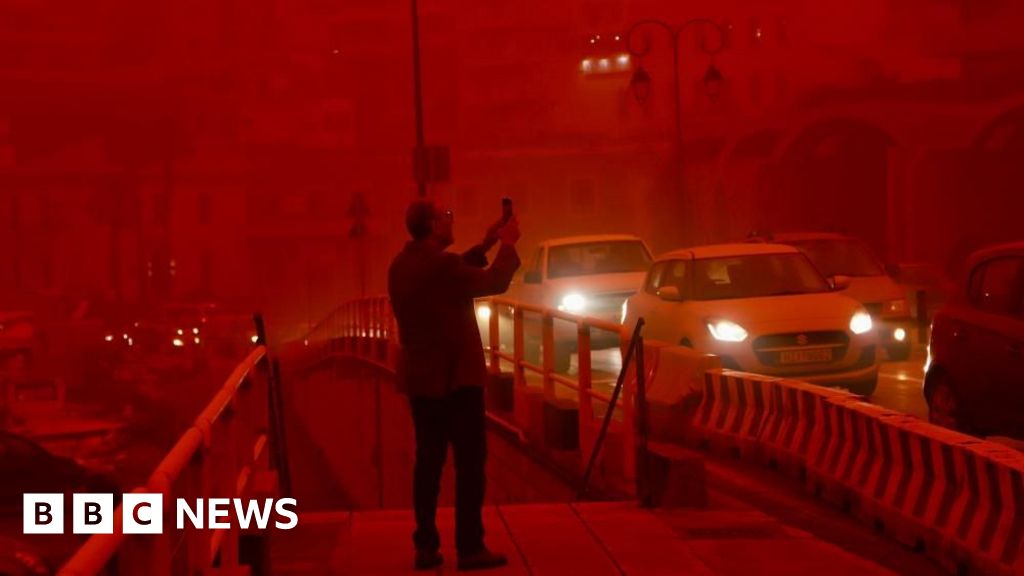

Chaos in Greece: Floods Devastate Mainland as Sahara Dust Storm Engulfs Crete
Athens, Greece— The Mediterranean nation of Greece is grappling with a dual environmental crisis that has left its citizens reeling. Torrential rains have unleashed catastrophic floods across the mainland, submerging towns, destroying infrastructure, and displacing thousands. Simultaneously, the island of Crete is shrouded in an ominous haze as a massive Saharan dust storm sweeps across the region, choking the air and disrupting daily life. These concurrent disasters highlight the increasing volatility of global weather patterns and underscore the growing challenges nations face in adapting to a rapidly changing climate.
The Flood Crisis: A Deluge of Destruction
Heavy rainfall has battered central and northern Greece over the past 36 hours, transforming streets into rivers and farmland into lakes. The worst-hit areas include Thessaly, a critical agricultural region, and the city of Volos, where emergency services are struggling to cope with the scale of the devastation. Rivers have overflowed their banks, bridges have collapsed, and entire villages have been cut off from aid.
The Greek government has declared a state of emergency, mobilizing the army and disaster response teams to assist with rescue operations. Prime Minister Kyriakos Mitsotakis described the situation as “unprecedented,” urging citizens to remain vigilant and follow safety protocols.
The floods come just weeks after wildfires ravaged parts of the country, a stark reminder of Greece’s vulnerability to extreme weather events. Climate scientists warn that such disasters are becoming more frequent and severe due to global warming, with Mediterranean countries particularly at risk.
Crete Under Siege: A Dust Storm from the Sahara
While the mainland battles floods, the island of Crete is experiencing an entirely different kind of crisis. A massive dust storm originating in the Sahara Desert has blanketed the island, turning skies a surreal orange and reducing visibility to dangerous levels. The storm, carried by strong winds across the Mediterranean, has also reached parts of southern Italy and Malta, creating hazardous air quality conditions.
Local authorities have advised residents, especially those with respiratory conditions, to stay indoors and wear masks if venturing outside. Schools have been closed, and flights to and from Crete have been delayed or canceled, disrupting travel plans for thousands.
Experts attribute the intensity of the dust storm to unusually high temperatures in the Sahara, which have intensified convective winds capable of lifting vast amounts of sand into the atmosphere. Such events, once rare, are becoming more commonplace, raising concerns about their long-term impact on health and ecosystems.
Global Context: A World on Edge
The crises in Greece are not isolated incidents but part of a broader pattern of environmental instability gripping the planet. From record-breaking heatwaves in North America to catastrophic floods in South Asia, 2023 has been marked by extreme weather events that have tested the resilience of nations and communities.
Climate change is the driving force behind this trend. Rising global temperatures are altering weather systems, leading to more intense and unpredictable storms, droughts, and heatwaves. The Mediterranean region, already one of the world’s climate change hotspots, is experiencing these effects acutely, with consequences for its economy, environment, and population.
The floods in Greece and the Saharan dust storm also highlight the interconnectedness of global systems. Dust from the Sahara not only affects air quality in Europe but also fertilizes the Amazon rainforest and influences hurricane formation in the Atlantic. Similarly, floods in Greece disrupt supply chains and trade routes, underscoring how environmental disasters can have far-reaching economic implications.
Why It Matters: A Call to Action
The dual disasters in Greece serve as a stark reminder of the urgent need for global action on climate change. The frequency and severity of such events are a clear signal that the world must accelerate efforts to reduce greenhouse gas emissions, invest in resilient infrastructure, and prepare communities for the challenges ahead.
For Greece, the immediate priority is recovery. The floods have caused billions of euros in damage, compounding the economic strain left by recent wildfires. The government is appealing for international assistance, but long-term solutions will require sustained investment in flood defenses, reforestation, and sustainable land management.
Globally, the events in Greece underscore the importance of solidarity in the face of shared threats. Climate change knows no borders, and its impacts are felt by all nations, rich and poor alike. As the world gears up for the COP28 climate summit later this year, the crises in Greece are a powerful reminder of what’s at stake.
A Future Under Threat
As Greece navigates its latest environmental catastrophe, the rest of the world watches with growing unease. The floods and dust storms may be localized events, but they are emblematic of a planet in peril—a planet where extreme weather is no longer the exception but the norm.
The people of Greece have shown remarkable resilience in the face of adversity, but their ordeal is a testament to the urgent need for global cooperation and decisive action. The clock is ticking, and the stakes could not be higher. If the world fails to act, events like these will become not just tragedies but harbingers of an even more uncertain future.
