



Autonomous Vehicle Industry Faces Scrutiny Over “Stunning Lack of Transparency” on Remote Assistance
By [Your Name]
April 2026
A Growing Crisis in Self-Driving Technology
The promise of fully autonomous vehicles has long been heralded as the future of transportation—safer roads, reduced congestion, and a revolution in mobility. But as self-driving cars inch closer to widespread adoption, a critical question looms: How often do these vehicles actually need human intervention to operate safely?
A recent investigation by U.S. Senator Ed Markey (D-MA) has exposed what he calls a “stunning lack of transparency” from leading autonomous vehicle (AV) companies regarding their reliance on remote human operators. The findings have reignited concerns about safety, accountability, and whether the industry is truly ready for mass deployment.
The Congressional Probe: Silence from AV Giants
Senator Markey’s office sent detailed inquiries to seven major AV companies—Aurora, May Mobility, Motional, Nuro, Tesla, Waymo, and Zoox—demanding data on how frequently their vehicles require remote assistance. The responses, or lack thereof, were telling.
Not a single company disclosed the frequency of human intervention, raising alarms about the true capabilities of their self-driving systems.
“These companies are asking the public to trust their technology, yet they refuse to provide basic transparency about how often their vehicles fail to operate autonomously,” Markey said in a statement. “This is unacceptable.”
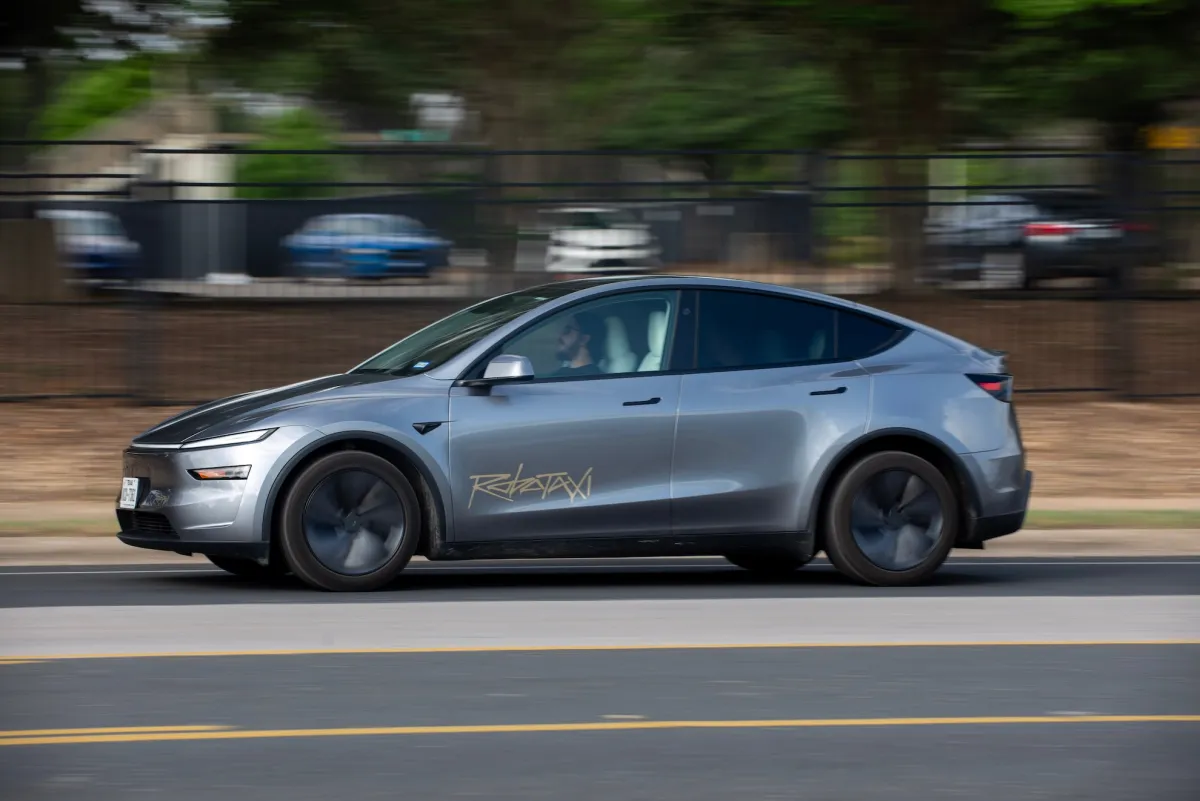
Among the few revelations was an admission from Tesla, which confirmed that its remote operators are authorized to take direct control of vehicles in emergency situations—a stark contrast to the company’s long-standing claims of “full self-driving” capabilities.
Why Remote Assistance Matters
Remote assistance is a behind-the-scenes lifeline for AVs, where human operators step in to guide vehicles through complex or unexpected scenarios—construction zones, erratic human drivers, or ambiguous road conditions. While companies argue that such support is a necessary safety net, critics warn it undermines the core promise of autonomy.
The issue gained national attention last month when Waymo faced congressional scrutiny over its use of remote workers in the Philippines to assist its U.S. fleet. Critics questioned whether outsourcing safety-critical roles to low-wage overseas workers was ethical—or even legal.
But as Markey’s report underscores, the problem is industry-wide. “This isn’t just a Waymo issue,” said one transportation analyst. “Every AV company relies on human backup to some degree. The question is: How much?”
Regulatory Backlash and Legislative Threats
Frustrated by the industry’s stonewalling, Senator Markey is now pushing for federal intervention. He has urged the National Highway Traffic Safety Administration (NHTSA) to investigate remote assistance practices and is drafting legislation to impose stricter oversight.
“Silence will not defuse this issue,” Markey warned. “If AV companies won’t disclose their safety data voluntarily, we will force transparency through regulation.”
The move comes as AVs expand rapidly across U.S. cities. Waymo, the most high-profile player, now operates commercial robotaxi services in 10 cities, with plans for further expansion. Competitors like Cruise (GM), Motional (Hyundai-Aptiv), and Zoox (Amazon) are also scaling up, despite lingering safety concerns.
Industry Reactions: Deflection and Defensiveness
When pressed for comment, most AV companies offered vague or non-committal responses. Waymo reiterated its commitment to safety but declined to share remote assistance statistics. Aurora and Zoox emphasized their rigorous testing protocols without addressing the core question.
Only Tesla provided a notable—and controversial—detail: its remote operators can override autonomous systems in emergencies, a practice that contradicts Elon Musk’s repeated assertions that Tesla vehicles are “designed to be fully autonomous.”
Broader Implications for Public Trust
The lack of transparency could erode public confidence in AVs at a pivotal moment. A 2025 NHTSA survey found that 62% of Americans remain skeptical of self-driving cars, with safety being the top concern.
“People deserve to know how often these systems fail,” said a consumer advocacy group spokesperson. “If AVs can’t function without constant human help, they shouldn’t be on public roads.”
The controversy also highlights a deeper tension in the tech industry: the gap between marketing hype and engineering reality. While AV companies tout “driverless” futures, their reliance on hidden human labor suggests the technology is far from mature.
What’s Next?
With Senator Markey’s legislation looming and NHTSA under pressure to act, the AV industry faces a reckoning. Key developments to watch:
- Regulatory Crackdown – Will NHTSA mandate disclosure of remote assistance data?
- Public Backlash – Could safety concerns slow AV adoption?
- Technological Advances – Can AI reduce reliance on human intervention?
For now, the debate rages on. As one industry insider put it: “Autonomy is a spectrum, not a binary state. The question isn’t whether AVs need help—it’s how much, and whether regulators will tolerate it.”
Final Thought
The road to fully autonomous vehicles was never going to be smooth. But as the industry grapples with growing scrutiny, one thing is clear: Transparency will be just as crucial as technology in determining whether self-driving cars earn the public’s trust—or stall before reaching their destination.
