


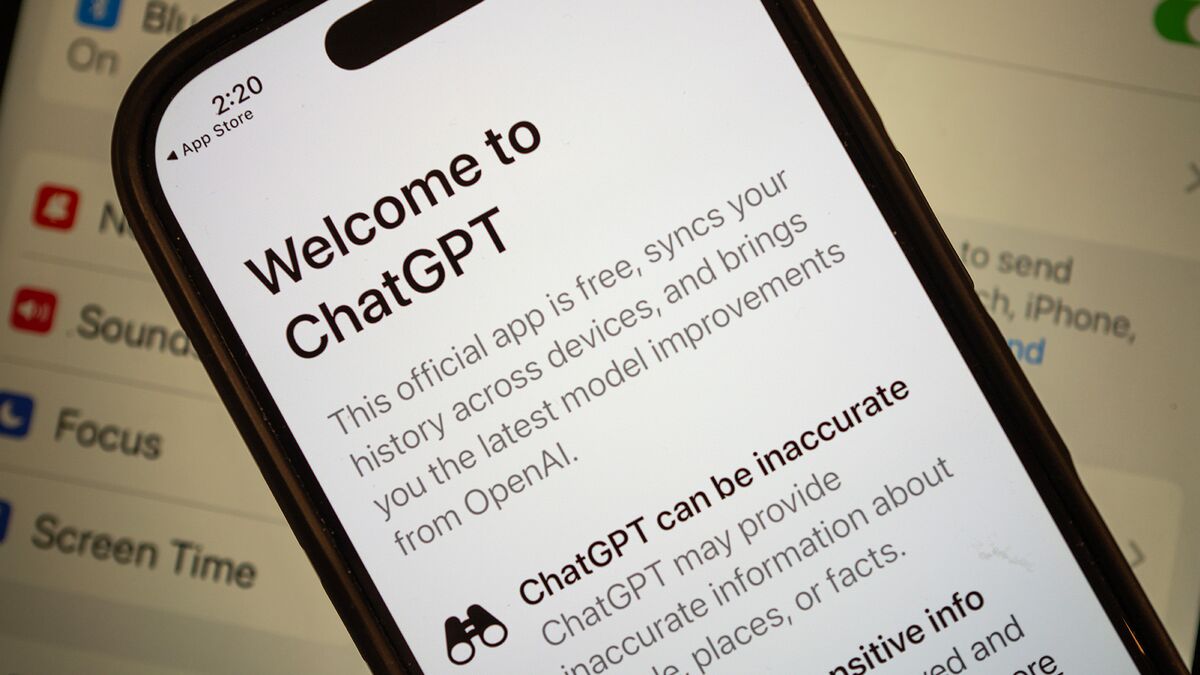

AI Assistants May Be Increasing Workplace Burnout Instead of Reducing It, Experts Warn
The Promise vs. Reality of AI in the Workplace
Artificial intelligence was supposed to revolutionize productivity, freeing workers from mundane tasks and reducing burnout. Instead, mounting evidence suggests AI-powered assistants may be exacerbating workplace stress, creating new layers of complexity rather than alleviating burdens.
A growing number of employees report that AI tools—once heralded as efficiency boosters—are adding cognitive strain, increasing workloads, and even fostering a culture of constant digital surveillance. As companies rush to integrate AI into daily operations, experts caution that without thoughtful implementation, these tools risk doing more harm than good.
The Burnout Paradox: How AI Backfires
AI assistants, from chatbots to automated scheduling systems, were designed to streamline workflows. Yet, professionals across industries—from tech to healthcare—are encountering unexpected drawbacks:
- Increased Cognitive Load: Rather than simplifying tasks, poorly designed AI requires constant oversight, forcing employees to double-check outputs or redo work.
- Always-On Expectations: With AI enabling 24/7 productivity, workers feel pressured to respond faster, blurring work-life boundaries.
- Surveillance Concerns: Many AI tools track keystrokes, response times, and productivity metrics, fostering a culture of micromanagement.
Shona Ghosh, Senior Technology Editor at Bloomberg News, highlighted these concerns in a recent interview, noting that “AI was meant to be a liberator, but in many cases, it’s become another layer of stress.”
The Hidden Costs of AI Adoption
While AI can automate repetitive tasks, its implementation often introduces new inefficiencies. A 2023 Harvard Business Review study found that employees spend up to 30% more time correcting AI-generated errors than they would completing tasks manually.
Additionally, AI-driven performance metrics—such as automated productivity scoring—have been linked to heightened anxiety. Some workers report feeling like they’re “racing against an algorithm,” with their job security tied to AI-generated performance reviews.
Corporate Pushback vs. Worker Realities
Tech companies continue to market AI as a burnout solution, emphasizing time-saving features. However, employees say the reality is more nuanced:
- Over-reliance on flawed AI: Many tools lack contextual understanding, requiring human intervention.
- Training gaps: Workers receive minimal instruction on integrating AI into workflows, leading to frustration.
- Job insecurity fears: Some worry AI could eventually replace roles rather than assist them.
“AI isn’t inherently bad, but the way it’s being deployed often ignores human factors,” says organizational psychologist Dr. Elaine Chen. “Without proper guardrails, it becomes another stressor.”
The Path Forward: Smarter AI Integration
Experts argue that AI can still fulfill its promise—if companies prioritize human-centric design:
- Better Training: Workers need clear guidelines on AI’s role and limitations.
- Transparent Metrics: Productivity tracking should be collaborative, not punitive.
- Human Oversight: AI should assist, not dictate, workflows.
As Ghosh noted, “The best AI tools are those that fade into the background, not ones that demand constant attention.”
Conclusion: A Tool, Not a Cure-All
AI’s potential remains vast, but its current implementation risks worsening the very problems it aimed to solve. For now, the key lies in balancing automation with empathy—ensuring technology serves people, not the other way around.
