


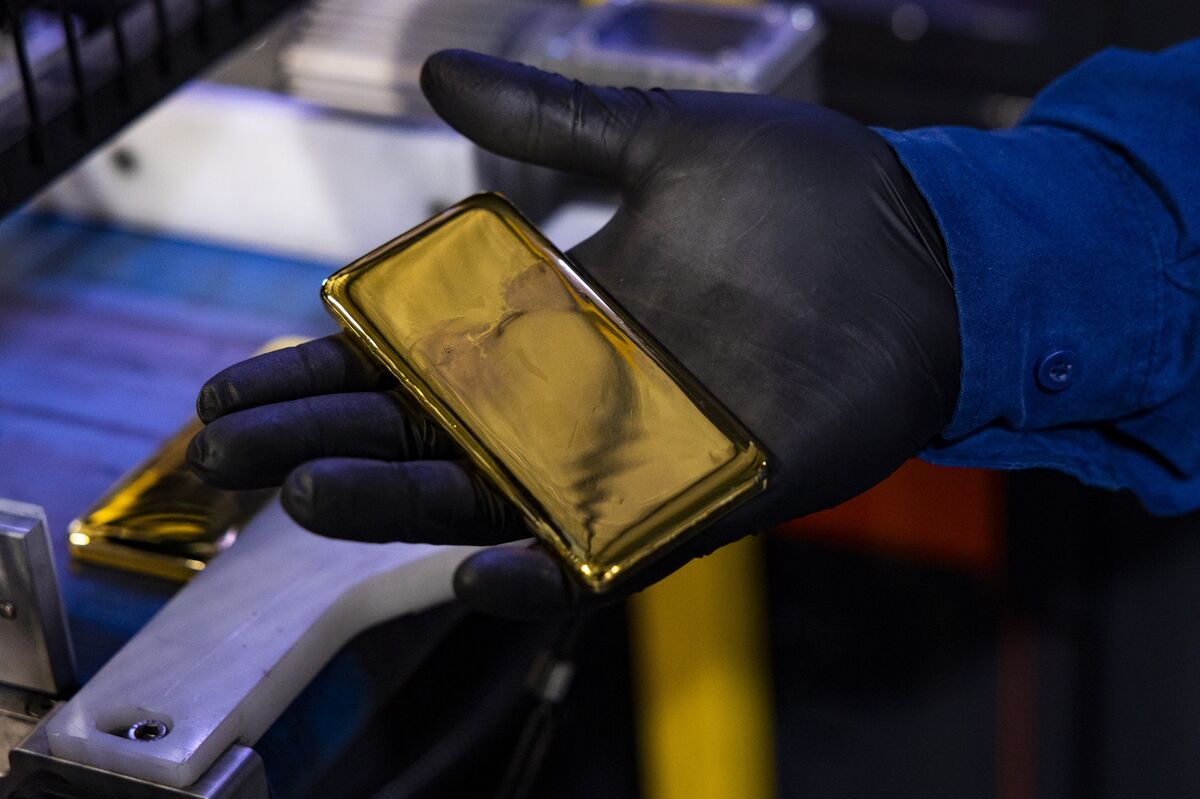

Gold Prices Retreat Amid Escalating US-Iran Tensions and Geopolitical Uncertainty
Gold prices fell sharply on Monday as escalating tensions between the United States and Iran rattled global markets, with investors cautiously shifting away from the traditional safe-haven asset amid conflicting signals over the Middle East crisis. The dip in gold comes as US President Donald Trump intensified his rhetoric, threatening to destroy Iran’s power plants if Tehran continues its aggressive stance in the region. Meanwhile, Iran has shown no indication of acquiescing to American demands, leaving the geopolitical landscape fraught with uncertainty.
The precious metal, often seen as a refuge during times of global turmoil, retreated by over 1.5% during early trading hours, dipping below the $1,950 per ounce mark. Analysts attribute the decline to a combination of factors, including a stronger US dollar and market optimism that the conflict may not escalate into a full-blown military confrontation. However, the situation remains fluid, with investors closely monitoring developments in the Middle East and their potential ripple effects on the global economy.
Trump’s Hardline Stoke Tensions Further
President Trump’s latest comments mark a significant escalation in the ongoing US-Iran standoff. Speaking at a press conference, Trump warned Iran that the US would not hesitate to target its critical infrastructure, including power plants, if Tehran continued to support militant groups and destabilize the region. “We will destroy their power plants if they continue down this path,” Trump declared, adding that Iran must “stop the aggression or face severe consequences.”
The president’s remarks follow weeks of heightened tensions, triggered by Iran-backed attacks on US allies in the Middle East and retaliatory strikes by American forces. Despite international calls for de-escalation, both nations appear locked in a dangerous game of brinkmanship, with neither side willing to back down. The latest developments have drawn condemnation from global leaders and raised concerns about the potential for a broader conflict that could disrupt oil supplies and destabilize financial markets.
Iran Defiant Amid Pressure
For its part, Iran has remained defiant in the face of American threats. Iranian officials have dismissed Trump’s ultimatums, accusing the US of undermining regional peace and vowing to continue supporting resistance groups across the Middle East. In a statement released by the Iranian Foreign Ministry, Tehran warned that any attack on its infrastructure would be met with “swift and decisive retaliation.”
Iran’s refusal to comply with US demands has complicated efforts to broker a ceasefire and restore stability to the region. The impasse has also cast a shadow over ongoing diplomatic negotiations, including talks aimed at reviving the 2015 nuclear deal, which the US abandoned under the Trump administration. With both sides digging in their heels, the prospects for a peaceful resolution appear increasingly uncertain.
Market Reaction and Investor Sentiment
The escalating tensions have had a mixed impact on global markets. While gold initially surged last week as investors sought safety, the latest developments have prompted a shift in sentiment. The US dollar’s strength, driven by its status as a global reserve currency, has further pressured gold prices, making the metal less attractive to international buyers.
Stock markets, meanwhile, have remained relatively stable, with investors banking on the assumption that the conflict will not spiral out of control. Oil prices, however, have been more volatile, reflecting concerns about potential disruptions to Middle East supplies. Brent crude futures rose slightly on Monday but remain below recent highs, as traders weigh the risks of a prolonged standoff against the likelihood of a diplomatic breakthrough.
Historical Context and Broader Implications
The current crisis is the latest chapter in a decades-long rivalry between the US and Iran, rooted in ideological differences and competing geopolitical interests. The Trump administration’s “maximum pressure” campaign, which includes crippling economic sanctions and military posturing, has exacerbated tensions and deepened mistrust between the two nations.
The situation is further complicated by shifting dynamics in the Middle East, where regional powers like Saudi Arabia, Israel, and Turkey are vying for influence. The conflict has also drawn in global players, including Russia and China, who have expressed support for Iran and criticized US policies in the region. As the stakes continue to rise, the international community faces mounting pressure to mediate and prevent a full-scale war.
Gold’s Role in Uncertain Times
Gold’s recent decline underscores the complex interplay between geopolitical risks and market dynamics. While the metal is often seen as a hedge against uncertainty, its performance can be influenced by a range of factors, including currency movements, interest rates, and investor sentiment. In the current environment, conflicting signals from policymakers and mixed economic data have added to the volatility, leaving investors navigating a delicate balancing act.
“Gold’s role as a safe haven is being tested by the strength of the US dollar and hopes that the conflict may not escalate,” said Jane Harper, chief economist at Global Markets Insights. “However, the situation remains highly unpredictable, and gold could regain its appeal if tensions flare up again.”
What Lies Ahead?
As the US-Iran standoff enters a critical phase, the world is watching closely for signs of progress or further escalation. Diplomatic efforts, led by international organizations and key allies, are underway to de-escalate tensions and foster dialogue. However, the path to peace remains fraught with challenges, with both sides seemingly unwilling to compromise.
For investors, the coming days will be pivotal in shaping market sentiment and determining the trajectory of key assets like gold, oil, and the US dollar. While the immediate outlook remains uncertain, one thing is clear: the stakes are high, and the consequences of miscalculation could be far-reaching.
In a world marked by geopolitical volatility and economic uncertainty, gold’s retreat serves as a reminder of the delicate balance between fear and optimism that defines global markets. As events unfold, the international community must tread carefully to avoid a crisis that could have lasting repercussions for the region and beyond.
