


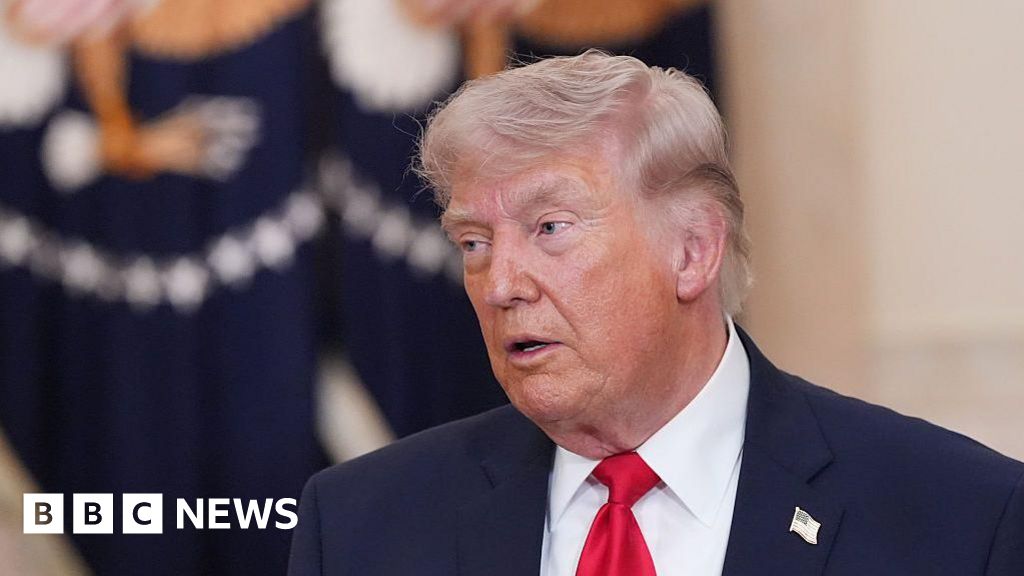

Global Tensions Rise as Trump’s Shifting Rhetoric on Strategic Waterways Sparks Concerns
A Dramatic Shift in Tone
In a span of just days, former U.S. President Donald Trump’s remarks on critical maritime security have shifted dramatically—raising alarms among global allies and adversaries alike. On April 1, Trump publicly urged nations to assert control over the Strait of Hormuz, a vital oil transit chokepoint, declaring: “Take it, protect it, use it for yourselves.” Yet by the weekend, his tone had changed, leaving analysts questioning whether this was a strategic pivot or an offhand remark with far-reaching consequences. The inconsistency comes at a precarious moment, as escalating conflicts in the Middle East and rising U.S.-China tensions over Taiwan underscore the fragility of global trade routes.
Why the Strait of Hormuz Matters
The Strait of Hormuz, a narrow passage between Oman and Iran, is one of the world’s most critical maritime corridors. Nearly 20% of global oil shipments pass through it daily, making it a flashpoint for geopolitical tensions. Any disruption—whether from military conflict, blockades, or political posturing—could send oil prices skyrocketing, destabilizing economies from Europe to Asia.
Trump’s initial call for allies to “take” the strait was interpreted by some as an invitation to militarize the region, a move that could provoke Iran, which has repeatedly threatened to close the waterway in response to Western sanctions. His subsequent shift leaves key questions unanswered: Was this a deliberate strategy to pressure Tehran, or an unscripted remark with unintended consequences?
Global Reactions and Strategic Fallout
The ambiguity has drawn sharp reactions worldwide.
- European leaders, already wary of U.S. unpredictability under a potential second Trump administration, fear further instability in energy markets.
- Gulf states, including Saudi Arabia and the UAE, rely on the strait for oil exports and have long sought U.S. assurances of security.
- China, which imports vast quantities of Middle Eastern oil, has closely monitored the rhetoric, wary of any moves that could threaten its energy supply chains.
Meanwhile, Iran has seized on the mixed messaging. A senior Iranian military official warned that “any foreign intervention in the strait will be met with decisive force,” signaling Tehran’s readiness to escalate if challenged.
Broader Implications for Global Security
Trump’s comments arrive amid heightened global tensions—from Russia’s war in Ukraine to China’s military drills near Taiwan. The Strait of Hormuz is just one of several strategic waterways—including the South China Sea and the Suez Canal—where competing territorial claims and military posturing threaten to disrupt trade.
Experts warn that inconsistent U.S. messaging could embolden adversaries while unsettling allies. “When a major power sends mixed signals on critical security issues, it creates a vacuum,” said Dr. Elena Moretti, a geopolitical analyst at the International Institute for Strategic Studies. “That vacuum is often filled by opportunistic actors—whether Iran, China, or Russia—who see a chance to test red lines.”
What Comes Next?
The immediate concern is whether Trump’s remarks reflect a broader policy shift or are merely rhetorical fluctuations. If the U.S. adopts a more aggressive stance on maritime security, it could lead to:
- Increased naval deployments, raising the risk of accidental clashes.
- Economic volatility, as markets react to potential supply disruptions.
- Diplomatic fractures, with allies questioning Washington’s reliability.
Conversely, if the U.S. retreats from its traditional role as a guarantor of sea lane security, regional powers may be forced to militarize further—potentially sparking an arms race in already volatile regions.
A World Watching and Waiting
As global leaders parse Trump’s latest statements, the stakes could not be higher. In an era where energy security, trade stability, and military deterrence are deeply interconnected, even offhand remarks from a former—and possibly future—U.S. president can send shockwaves across continents.
The Strait of Hormuz is more than just a shipping lane; it is a barometer of global stability. How the world responds to these shifting signals may determine whether the coming years see cooperation—or conflict—on the high seas.
