



Qatar LNG Tankers Signal Potential Breakthrough Amid Rising Global Energy Tensions
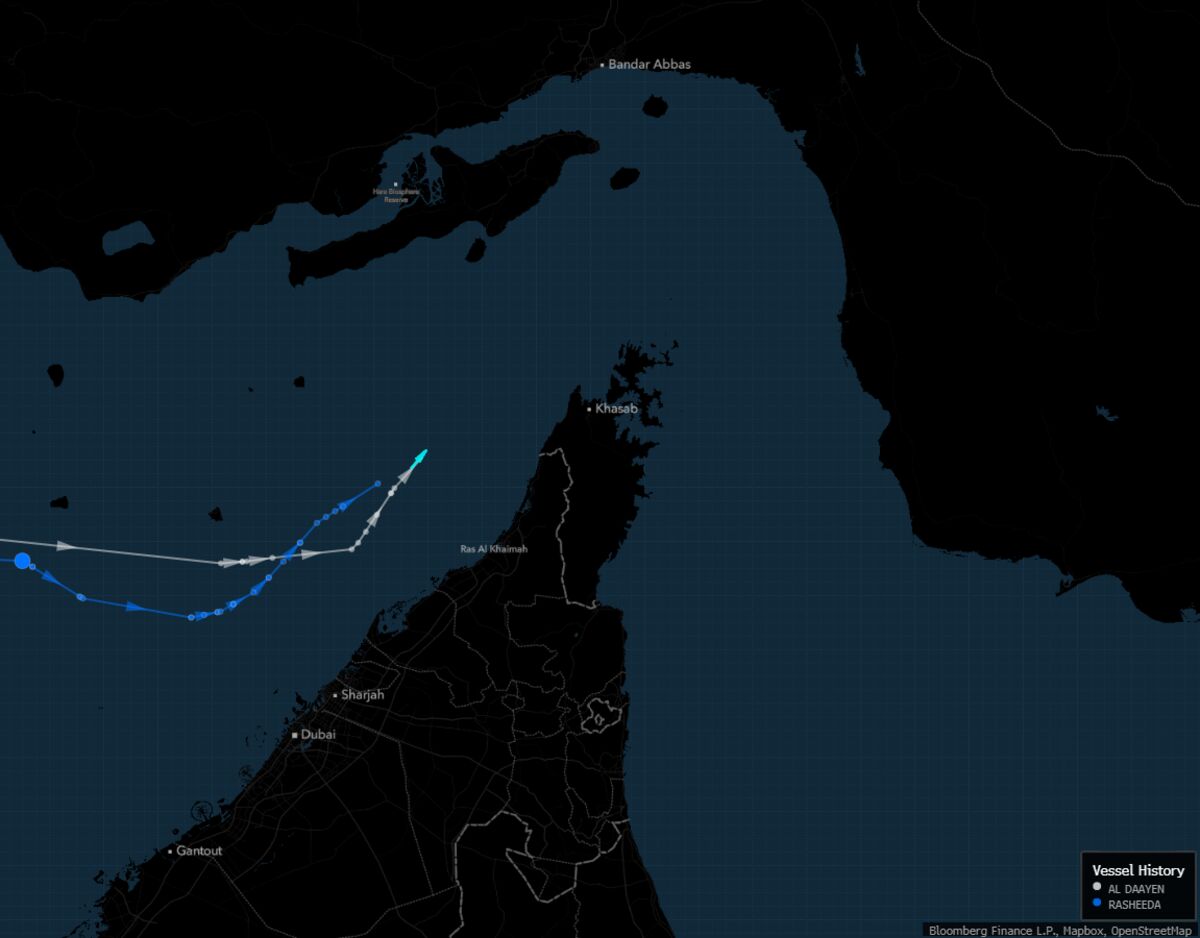
In a development that could mark a significant shift in global energy trade dynamics, two liquefied natural gas (LNG) tankers from Qatar appear to be en route to the Strait of Hormuz, potentially signaling the first export of Qatari LNG to international buyers outside the Persian Gulf since the outbreak of conflict in the region. This move, if confirmed, could have profound implications for global energy markets, diplomatic relations, and the geopolitics of the Middle East.
The vessels, identified as the Al Gharrafa and the Al Nuaman, are currently navigating the Persian Gulf and are expected to pass through the Strait of Hormuz, a critical chokepoint for global oil and gas shipments. While their final destinations remain unconfirmed, maritime tracking data suggests they are heading toward international markets, possibly in Europe or Asia. This development comes at a time when global energy supplies are under immense strain due to geopolitical tensions, supply chain disruptions, and rising demand as economies recover from the COVID-19 pandemic.
The Strategic Importance of Qatari LNG
Qatar, home to the world’s third-largest natural gas reserves, has long been a linchpin of the global LNG market. The country is the largest exporter of LNG, accounting for nearly 20% of global supply. Its strategic location on the Persian Gulf and proximity to the Strait of Hormuz make it a key player in energy geopolitics. However, the ongoing conflict in the region, coupled with heightened tensions between Iran and Western powers, has disrupted the flow of energy exports, creating a volatile environment for international buyers.
The Strait of Hormuz, a narrow waterway between Oman and Iran, is one of the most critical shipping lanes in the world. Approximately one-fifth of the world’s oil and a significant portion of global LNG passes through this strait. Any disruption to this route can have far-reaching consequences for global energy prices and supply chains. In recent months, tensions in the region have escalated, with Iran threatening to block the strait in response to international sanctions and diplomatic pressures.
A Potential Turning Point in Energy Trade
The decision to export LNG outside the Persian Gulf for the first time since the conflict began suggests a potential easing of tensions or, at the very least, a calculated risk by Qatari authorities to meet growing global demand. This move could also reflect Qatar’s desire to reaffirm its role as a reliable energy supplier amidst a rapidly changing geopolitical landscape.
For international buyers, particularly in Europe, the arrival of Qatari LNG could provide much-needed relief. Europe has been grappling with an energy crisis exacerbated by reduced gas supplies from Russia and increasing demand for cleaner energy sources. The European Union has been actively seeking alternative suppliers to diversify its energy mix and reduce dependence on Russian gas. Qatari LNG, with its high quality and reputation for reliability, could become a key component of Europe’s energy strategy.
The Broader Geopolitical Context
This potential export comes against the backdrop of complex geopolitical dynamics in the Middle East. The region has seen escalating tensions between Iran and Western powers, particularly over Iran’s nuclear program and its role in regional conflicts. Qatar, meanwhile, has sought to balance its relationships with both Iran and its Western allies, positioning itself as a mediator in regional disputes.
The export of LNG to international markets outside the Persian Gulf could also be seen as a strategic move by Qatar to strengthen its economic and diplomatic ties with global powers. By ensuring a steady flow of energy supplies, Qatar can bolster its position as a key player in the global energy market and enhance its influence on the international stage.
Challenges and Risks
While the potential export of Qatari LNG is a positive development, it is not without risks. The Strait of Hormuz remains a flashpoint for conflict, and any escalation could disrupt shipments and lead to a spike in global energy prices. Additionally, the global LNG market is highly competitive, with countries like the United States and Australia vying for market share. Qatar will need to navigate these challenges carefully to maintain its dominance in the sector.
Furthermore, the environmental impact of increased LNG exports cannot be overlooked. While natural gas is considered a cleaner alternative to coal and oil, its extraction and transportation contribute to greenhouse gas emissions. As the world grapples with the climate crisis, there is growing pressure on energy producers to adopt more sustainable practices. Qatar has made strides in this area, investing in carbon capture and storage technologies, but it will need to continue these efforts to remain competitive in a rapidly evolving energy landscape.
Implications for Global Energy Markets
The potential export of Qatari LNG outside the Persian Gulf could have significant implications for global energy markets. It could help stabilize prices by increasing supply and reducing the risk of shortages. It could also enhance energy security for importing countries by diversifying their sources of supply.
For Qatar, this move represents an opportunity to reinforce its position as a leading global energy supplier and strengthen its economic resilience. The country has been investing heavily in expanding its LNG production capacity, with plans to increase output by 64% by 2027. This ambitious expansion underscores Qatar’s commitment to remaining a dominant player in the global energy market.
A Balanced Perspective
As the Al Gharrafa and the Al Nuaman navigate the Persian Gulf, their journey symbolizes both the risks and opportunities inherent in the global energy trade. While the potential export of Qatari LNG outside the region offers hope for increased supply and stability, it also highlights the fragility of global energy markets in the face of geopolitical tensions.
In a world increasingly defined by uncertainty, the flow of energy resources remains a critical factor in shaping international relations and economic stability. Qatar’s latest move could be a step toward greater energy security—or a reminder of the delicate balance that underpins it. Either way, the world will be watching closely as these tankers chart their course through the Strait of Hormuz.
