


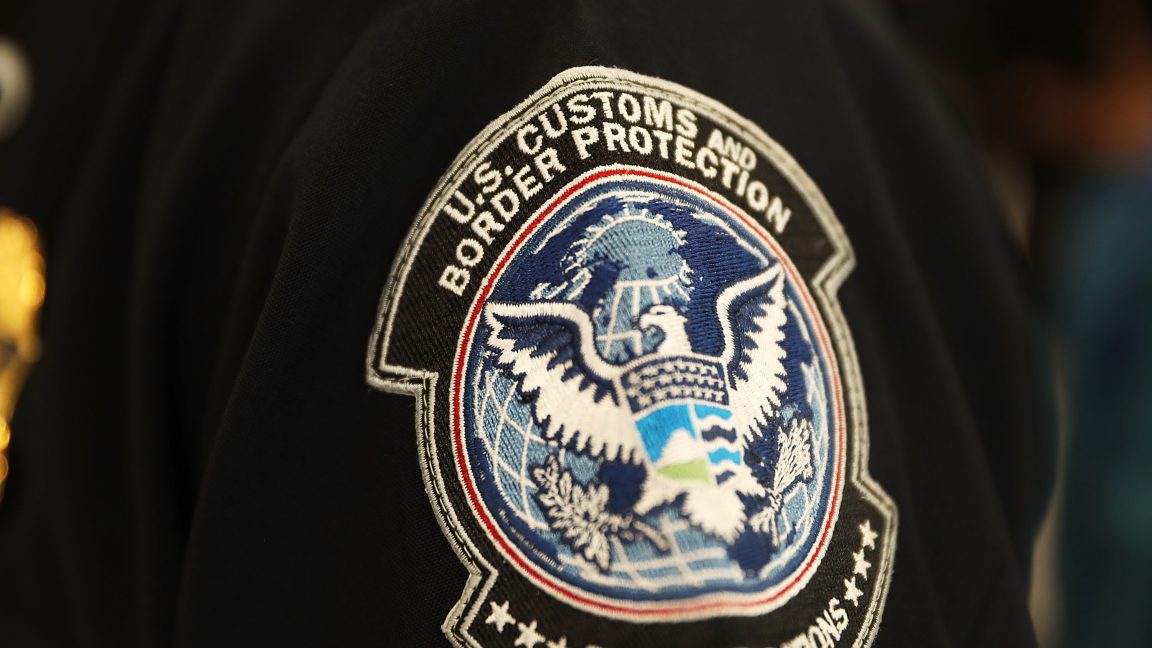

Confidential Immigration Enforcement Details Potentially Leaked via Online Flashcards
In a startling potential breach of sensitive information, confidential details about U.S. Customs and Border Protection (CBP) operations appear to have been inadvertently exposed through an online study platform. Quizlet, a popular digital tool used by millions worldwide to create and share flashcards, has come under scrutiny after documents outlining internal CBP protocols, geographic responsibilities, and enforcement systems were discovered on its platform. The revelation underscores the risks of using public-facing tools for sharing potentially classified materials and raises questions about oversight in federal agencies.
The flashcards, first reported by WIRED, contained detailed information about CBP’s operational procedures, including specific geographic zones, organizational grids, and even the names and codes of surveillance towers within the Kingsville workforce region of responsibility. One card noted that a particular grid “does not exist” due to the layout of local highways, while another detailed an internal system called “E3 BEST,” which allows officers to cross-check individuals and vehicles through multiple law enforcement databases.
In addition to these operational details, the flashcards described immigration-related offenses, such as misuse of passports or visas, fleeing from checkpoints, and the processes for voluntary returns or expedited removals from the U.S. Each card referenced the need for specific forms and checklists, pointing users to an “agents Resources Page” to ensure accuracy.
Quizlet, a platform widely used by students, educators, and professionals for studying and memorization, responded swiftly to the discovery. A spokesperson stated, “We take reports of sensitive or inappropriate content seriously and act promptly when content is found to violate our policies. We encourage anyone who encounters concerning material to report it directly from the flashcard set, class, or profile page, or to contact us so we can review and take appropriate action.”
The incident comes at a time when federal agencies like CBP and Immigration and Customs Enforcement (ICE) are aggressively expanding their workforce. CBP has offered recruitment incentives of up to $60,000 for new agents, while ICE has implemented a $50,000 signing bonus and up to $60,000 in student loan repayment to attract talent. These hiring initiatives, aimed at addressing staffing shortages and enhancing border security, have placed a premium on operational efficiency—making the potential exposure of internal protocols even more concerning.
Experts warn that such leaks, even if inadvertent, could compromise national security and the effectiveness of immigration enforcement efforts. “The exposure of operational details, especially those related to law enforcement databases and geographic responsibilities, could provide valuable insights to adversaries,” said John Cohen, a former Department of Homeland Security official and adjunct professor at Rutgers University. “It’s imperative that federal agencies enforce strict protocols for handling sensitive information, both online and offline.”
This is not the first time Quizlet has been at the center of a data exposure controversy. In recent years, the platform has been criticized for hosting flashcards containing sensitive or proprietary information, ranging from trade secrets to personal data. While Quizlet’s policies prohibit the sharing of such content, the sheer volume of user-generated material—over 500 million study sets—makes monitoring a significant challenge.
The CBP has yet to issue an official statement regarding the flashcards or confirm whether the information contained within them is classified. However, the agency has emphasized its commitment to safeguarding sensitive data and maintaining operational security.
As federal agencies continue to grapple with the complexities of modern technology, this incident serves as a stark reminder of the vulnerabilities inherent in public-facing platforms. It also highlights the need for greater awareness and training among employees about the risks of sharing sensitive information online.
In an era where digital tools are indispensable for learning and collaboration, balancing accessibility with security remains a pressing challenge. For Quizlet, the incident offers an opportunity to reassess its content moderation mechanisms and ensure that its platform is not inadvertently used to disseminate confidential information.
The broader implications of this leak extend beyond Quizlet to the federal agencies involved. As CBP and ICE continue their recruitment drives and expand their operations, safeguarding sensitive information will be critical to maintaining public trust and operational integrity.
In the meantime, the discovery of these flashcards underscores a simple yet often overlooked truth: in the digital age, vigilance is paramount, and the line between convenience and security can be perilously thin.
Balanced and forward-looking, this incident serves as both a cautionary tale and a call to action for all stakeholders involved in the intersection of technology and national security.
