



Yen Nears Critical 160 per Dollar as Iran Crisis Fuels Safe-Haven Dollar Demand
April 8, 2026
The Japanese yen hovered perilously close to the 160-per-dollar threshold on Monday, as escalating tensions in the Middle East and a looming U.S. ultimatum to Iran drove relentless demand for the U.S. currency. The yen’s slide—now down 1.5% since the outbreak of war—has raised alarms in Tokyo, where officials have ramped up warnings against speculative trading but face skepticism over their ability to stem the dollar’s surge amid global turmoil.
By mid-morning trading in Asia, the yen held at 159.55 per dollar, just shy of last week’s 21-month low. Traders remained on high alert for signs of intervention by Japanese authorities after Finance Minister Satsuki Katayama issued a sharp rebuke on Friday, vowing to act against “excessive volatility.” Yet analysts question whether Tokyo can counterbalance the dollar’s strength, fueled by investors fleeing to safety as the Iran conflict threatens to disrupt global energy supplies.
Geopolitical Storm Drives Dollar Dominance
The yen’s weakness reflects broader market unease over U.S. President Donald Trump’s latest ultimatum to Tehran. In a social media post on Easter Sunday, Trump warned Iran that U.S. forces would target its power plants and bridges by 8 p.m. Eastern Time Tuesday (0000 GMT) unless the Strait of Hormuz—a vital oil transit chokepoint—is reopened. The threat has intensified fears of a wider regional war, with oil prices already spiking and shipping insurers demanding steep premiums for vessels near the Persian Gulf.
“The dollar is the only winner in this environment,” said one Tokyo-based currency strategist. “Until there’s clarity on whether Iran will comply or double down, the yen and other risk-sensitive currencies will stay under pressure.”
Intervention Risks and Speculative Bets
Japan last intervened in foreign exchange markets in July 2024, when the yen briefly breached 160. Now, with speculative short positions against the yen hitting $5.7 billion—the highest since that intervention—traders are gauging whether history will repeat itself. However, the sheer scale of dollar demand, coupled with the Federal Reserve’s reluctance to cut interest rates amid sticky inflation, complicates Tokyo’s task.
“Even if Japan steps in, it’s a temporary fix,” said a hedge fund manager in Hong Kong. “The Middle East crisis is overriding everything. Unless the U.S. and Iran de-escalate, the yen could test 162 or worse.”
Broader Currency Markets Feel the Strain
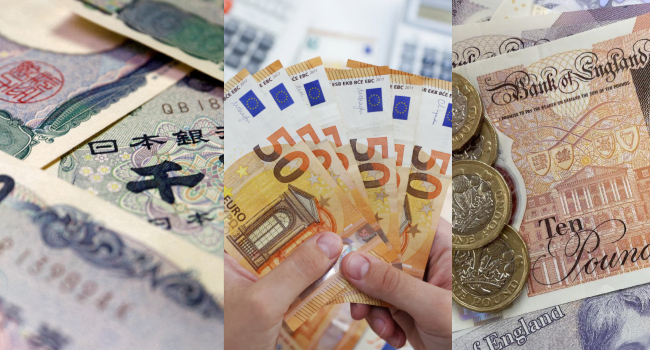
The dollar’s strength has reverberated across global markets. The euro edged up to $1.1523, while sterling traded at $1.3211, both currencies struggling to gain traction. The dollar index, which measures the greenback against a basket of peers, dipped slightly to 100.12 but remained near its highest levels this year.
Meanwhile, the Australian dollar—often seen as a proxy for risk appetite—rose 0.3% to $0.69045 but lingered near a two-month low. Commodity-linked currencies face additional pressure as prolonged Middle East instability threatens to derail fragile global growth.
What Comes Next?
All eyes remain on Tehran’s response to Trump’s deadline. A reopening of the Strait of Hormuz could provide temporary relief, but any military escalation would likely trigger another wave of dollar buying. For Japan, the stakes are high: a sustained breach of 160 could accelerate imported inflation, complicating the Bank of Japan’s efforts to normalize monetary policy.
For now, traders are bracing for volatility. “This isn’t just about currencies—it’s about whether we’re staring at a full-blown war,” said a London-based analyst. “Until that question is answered, the yen’s pain won’t end.”
