


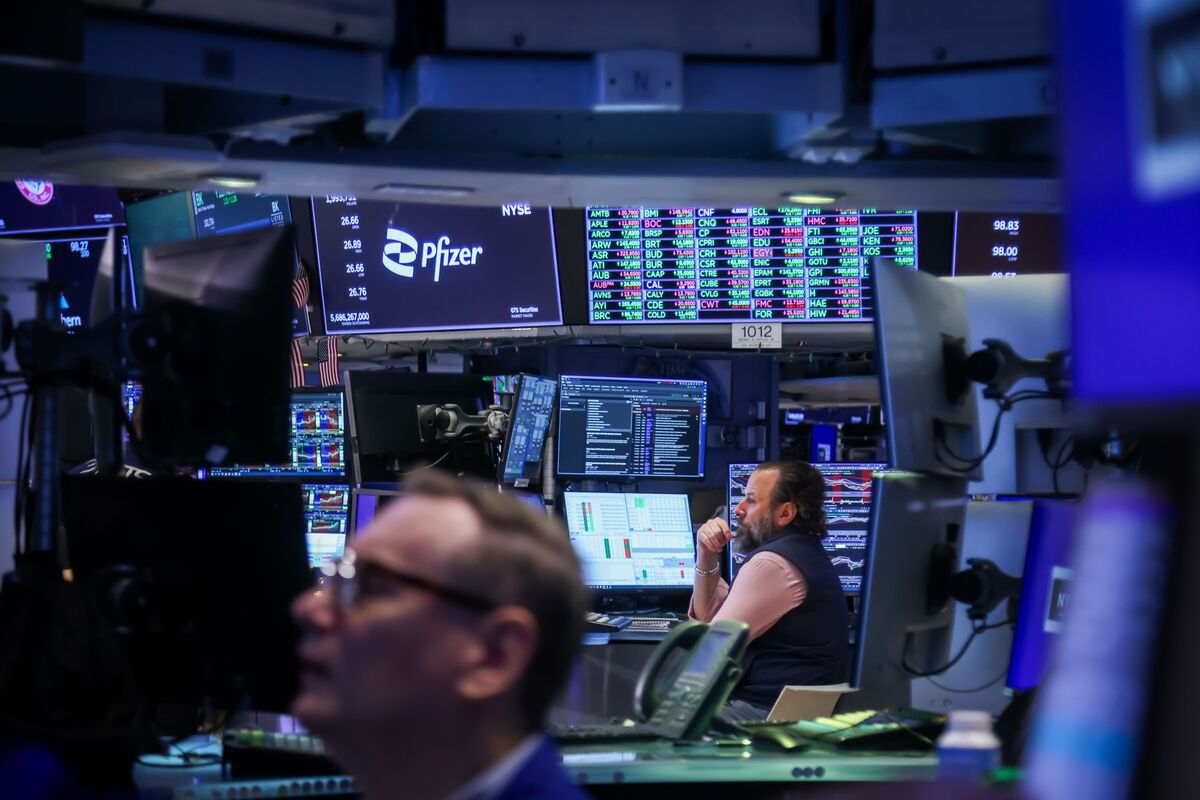

US Equity Futures Mixed Amid Heightened Geopolitical Tensions in the Middle East
Global financial markets are navigating a delicate balance of uncertainty and cautious optimism as US equity-index futures show mixed signals early Tuesday morning, reflecting investor unease over escalating tensions in the Middle East. At 7:40 a.m. in New York, contracts tied to the S&P 500 Index edged up by 0.1%, while futures for the Dow Jones Industrial Average and Nasdaq-100 remained nearly flat, underscoring the subdued sentiment among traders.
The muted activity comes as investors grapple with the geopolitical fallout from the intensifying conflict between Israel and Hamas, which has entered its fourth week with no clear resolution in sight. The war, which began with a surprise attack by Hamas on October 7, has claimed thousands of lives and drawn widespread international condemnation. In recent days, fears of a broader regional conflict have grown, particularly as Israel prepares for a potential ground invasion of Gaza and neighboring countries express heightened concerns over the humanitarian crisis.
For financial markets, the Middle East conflict has introduced a fresh layer of volatility, compounding existing challenges such as rising interest rates, persistent inflation, and slowing global growth. Investors are closely monitoring developments in the region, mindful of the potential for oil price spikes, supply chain disruptions, and broader economic instability. Brent crude futures, a key benchmark for global oil prices, have surged by more than 10% since the conflict began, reflecting anxieties about energy supplies in an already tight market.
Mixed Signals in the Futures Market
In early trading, US equity futures painted a mixed picture, with the S&P 500 futures inching higher while other major indices remained stagnant. The slight uptick in S&P 500 futures suggests that some investors are cautiously positioning themselves for a rebound after last week’s losses. The index had fallen by more than 2% over the previous week, driven by concerns over corporate earnings and geopolitical risks.
However, the broader market sentiment remains fragile. Investors are weighing the likelihood of continued volatility against the potential for a stabilization in risk appetite. Analysts note that the Federal Reserve’s monetary policy outlook remains a key factor influencing market dynamics. While the central bank has signaled a pause in interest rate hikes for its upcoming meeting, persistently high inflation and strong economic data could prompt renewed tightening measures later this year.
“The geopolitical situation is adding another layer of complexity to an already uncertain macroeconomic environment,” said Sarah Williamson, chief investment officer at Fidelity International. “Investors are struggling to balance the risks of escalating conflict with the potential for resilience in corporate earnings and economic growth.”
Geopolitical Risks and Their Market Implications
The Middle East conflict has far-reaching implications for global markets, particularly in terms of energy prices and investor confidence. The region is a critical hub for global oil production, and any escalation in hostilities could disrupt supplies, driving prices higher and exacerbating inflationary pressures. Already, Brent crude has climbed above $90 per barrel, marking its highest level in nearly a year.
Beyond energy markets, the conflict has also fueled concerns about its impact on consumer sentiment and corporate profitability. Many multinational companies with exposure to the region have begun reassessing their operations and supply chains, while airlines and travel-related businesses face renewed headwinds due to heightened security concerns.
“The situation in the Middle East is a wildcard for markets right now,” said Mark Zandi, chief economist at Moody’s Analytics. “If tensions escalate further, it could lead to a significant repricing of risk assets, particularly in sectors like energy, transportation, and industrials.”
Corporate Earnings in Focus
Amid the geopolitical uncertainty, investors are also focusing on the ongoing corporate earnings season, which has yielded mixed results so far. Several major companies have reported stronger-than-expected profits, buoyed by resilient consumer spending and cost-cutting measures. However, others have warned of challenges ahead, citing slowing demand and rising input costs.
Tech giants such as Microsoft and Alphabet are set to release their quarterly results this week, providing further insight into the health of the sector. The tech-heavy Nasdaq Composite Index has been particularly sensitive to earnings reports, given its reliance on growth-oriented companies.
“Earnings season is always a critical time for markets, but this quarter it’s happening against a backdrop of heightened geopolitical risk,” said David Kelly, chief global strategist at J.P. Morgan Asset Management. “Investors are looking for clarity on corporate fundamentals, but the broader economic and geopolitical landscape is making that increasingly difficult.”
Balancing Act for Investors
As markets navigate this complex environment, analysts emphasize the importance of maintaining a balanced approach. While geopolitical risks are difficult to predict, long-term investors are advised to focus on fundamentals rather than short-term fluctuations. Diversification and disciplined investment strategies remain key tools for managing uncertainty.
“The Middle East conflict is a reminder of the unpredictable nature of global events,” said Kristina Hooper, chief global market strategist at Invesco. “But historically, markets have shown resilience in the face of geopolitical shocks, particularly when economic fundamentals remain strong.”
The days ahead are likely to bring further challenges for investors as they weigh the interplay of geopolitical risks, corporate earnings, and macroeconomic trends. While the path forward remains uncertain, one thing is clear: markets are in for a period of heightened volatility and close scrutiny. As always, staying informed and maintaining a long-term perspective will be essential for navigating these turbulent times.
In the words of one seasoned trader, “Markets hate uncertainty, but they also have a way of adapting. The key is to stay vigilant, stay diversified, and not let fear drive your decisions.”
